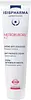
This calming treatment is formulated around Azelaic Acid and Glycyrrhetinic Acid to calm redness and clear breakouts.
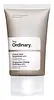
This calming serum is formulated around Azelaic Acid to calm redness and refine skin texture.


What's inside
What's inside
 Key Ingredients
Benefits
Concerns
Ingredients Side-by-side
Water
Skin ConditioningAzelaic Acid
Buffering









Betaine
Humectant

Caprylic/Capric Triglyceride
Masking
Glycerin
Humectant
Butylene Glycol
Humectant
Pentylene Glycol
Skin Conditioning
Vinyl Dimethicone/Methicone Silsesquioxane Crosspolymer

Hydroxyethyl Acrylate/Sodium Acryloyldimethyl Taurate Copolymer
Emulsion StabilisingLauryl Glucoside
CleansingPolyglyceryl-2 Dipolyhydroxystearate
Skin Conditioning

Glycyrrhetinic Acid
Skin Conditioning
Niacinamide
Smoothing

Ethylhexylglycerin
Skin ConditioningPanthenol
Skin Conditioning
Sclerotium Gum
Emulsion StabilisingChlorphenesin
Antimicrobial
Escin
TonicO-Cymen-5-Ol
Antimicrobial
Polysorbate 60
Emulsifying
Sorbitan Isostearate
Emulsifying
Ruscus Aculeatus Root Extract
Astringent
Ammonium Glycyrrhizate
MaskingCitric Acid
Buffering
Centella Asiatica Leaf Extract
Skin Conditioning
Hydrolyzed Yeast Protein
Skin ConditioningCalendula Officinalis Flower Extract
Masking
Sodium Citrate
BufferingWater, Azelaic Acid, Betaine, Caprylic/Capric Triglyceride, Glycerin, Butylene Glycol, Pentylene Glycol, Vinyl Dimethicone/Methicone Silsesquioxane Crosspolymer, Hydroxyethyl Acrylate/Sodium Acryloyldimethyl Taurate Copolymer, Lauryl Glucoside, Polyglyceryl-2 Dipolyhydroxystearate, Glycyrrhetinic Acid, Niacinamide, Ethylhexylglycerin, Panthenol, Sclerotium Gum, Chlorphenesin, Escin, O-Cymen-5-Ol, Polysorbate 60, Sorbitan Isostearate, Ruscus Aculeatus Root Extract, Ammonium Glycyrrhizate, Citric Acid, Centella Asiatica Leaf Extract, Hydrolyzed Yeast Protein, Calendula Officinalis Flower Extract, Sodium Citrate
Water
Skin ConditioningIsodecyl Neopentanoate
EmollientDimethicone
Emollient
Azelaic Acid
Buffering
Dimethicone/Bis-Isobutyl PPG-20 Crosspolymer
Emollient
Dimethyl Isosorbide
SolventHydroxyethyl Acrylate/Sodium Acryloyldimethyl Taurate Copolymer
Emulsion StabilisingPolysilicone-11
Isohexadecane
EmollientTocopherol
Antioxidant

Trisodium Ethylenediamine Disuccinate
ChelatingIsoceteth-20
EmulsifyingPolysorbate 60
Emulsifying
Triethanolamine
BufferingEthoxydiglycol
HumectantPhenoxyethanol
Preservative
Chlorphenesin
Antimicrobial
Water, Isodecyl Neopentanoate, Dimethicone, Azelaic Acid, Dimethicone/Bis-Isobutyl PPG-20 Crosspolymer, Dimethyl Isosorbide, Hydroxyethyl Acrylate/Sodium Acryloyldimethyl Taurate Copolymer, Polysilicone-11, Isohexadecane, Tocopherol, Trisodium Ethylenediamine Disuccinate, Isoceteth-20, Polysorbate 60, Triethanolamine, Ethoxydiglycol, Phenoxyethanol, Chlorphenesin
Reviews
Ingredients Explained
These ingredients are found in both products.
Ingredients higher up in an ingredient list are typically present in a larger amount.
Azelaic acid is a multitasker ingredient that helps treat acne, pigmentation, and irritation. It is a great option for sensitive skin.
What makes it special?
OTC Azelaic acid is usually available in concentrations from 10-15% and anything over requires a prescription.
Here's what each tier does best:
Unlike other acids, azelaic acid will not make your skin more photosensitive/sun sensitive.
Though this ingredient is naturally occurring in grains like wheat, rye, and barley, it is usually synthetically created for cosmetics to ensure stability and effectiveness.
Learn more about Azelaic AcidChlorphenesin is a synthetic preservative. It helps protect a product against bacteria in order to extend shelf life. In most cases, Chlorphenesin is paired with other preservatives such as phenoxyethanol and caprylyl glycol.
Chlorphenesin is a biocide. This means it is able to help fight the microorganisms on our skin. It is also able to fight odor-releasing bacteria.
Chlorphenesin is soluble in both water and glycerin.
Studies show Chlorphenesin is easily absorbed by our skin. You should speak with a skincare professional if you have concerns about using Chlorphenesin.
Learn more about ChlorphenesinThis is a synthetic polymer. It helps improve the texture of products by adding thickness and gel-like feel.
It is also an emulsifer, meaning it prevents ingredients such as oil and water from separating. It also helps evenly disperse other ingredients.
Polysorbate 60 is used to help stabilize products. It is a surfactant and emulsifier. These properties help keep ingredients together in a product. Surfactants help reduce surface tension between ingredients with different states, such as liquids and solids. Emulsifiers help prevent oils and waters from separating.
Polysorbate 60 is sorbitol-based and created from the ethoxylation of sorbitan. Ethoxylation is a chemical reaction used to add ethylene oxide. Sorbitan is a the dehydrated version of sorbitol, a sugar found in fruits.
In this case, the 60 comes from reacting 60 units of ethylene oxide with sorbitan.
Polysorbates are commonly used in medicine and foods.
Learn more about Polysorbate 60Water. It's the most common cosmetic ingredient of all. You'll usually see it at the top of ingredient lists, meaning that it makes up the largest part of the product.
So why is it so popular? Water most often acts as a solvent - this means that it helps dissolve other ingredients into the formulation.
You'll also recognize water as that liquid we all need to stay alive. If you see this, drink a glass of water. Remember to stay hydrated!
Learn more about Water

