
What's inside
What's inside
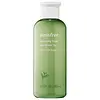 Key Ingredients
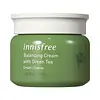
Benefits
Concerns
Ingredients Side-by-side
Water
Skin ConditioningPropanediol
Solvent
Butylene Glycol
Humectant
Hydrogenated Polyisobutene
Emollient1,2-Hexanediol
Skin Conditioning
Betaine
Humectant


Behenyl Alcohol
Emollient
Ammonium Acryloyldimethyltaurate/Vp Copolymer
Parfum
Masking


Glyceryl Caprylate
EmollientTromethamine
BufferingCarbomer
Emulsion StabilisingAcrylates/C10-30 Alkyl Acrylate Crosspolymer
Emulsion StabilisingEthylhexylglycerin
Skin ConditioningDisodium EDTA
Camellia Sinensis Leaf Extract
Antimicrobial



Water, Propanediol, Butylene Glycol, Hydrogenated Polyisobutene, 1,2-Hexanediol, Betaine, Behenyl Alcohol, Ammonium Acryloyldimethyltaurate/Vp Copolymer, Parfum, Glyceryl Caprylate, Tromethamine, Carbomer, Acrylates/C10-30 Alkyl Acrylate Crosspolymer, Ethylhexylglycerin, Disodium EDTA, Camellia Sinensis Leaf Extract
Water
Skin ConditioningMethyl Trimethicone
Skin Conditioning
Propanediol
Solvent
Glycerin
Humectant

Cetyl Ethylhexanoate
EmollientPentaerythrityl Tetraethylhexanoate
Emollient
Hydrogenated Poly(C6-14 Olefin)
Emollient1,2-Hexanediol
Skin Conditioning
C14-22 Alcohols
Emulsion StabilisingArachidyl Alcohol
EmollientStearic Acid
Cleansing

Glyceryl Stearate
Emollient
Butyrospermum Parkii Butter
Skin Conditioning
Betaine
Humectant
Glyceryl Stearate Citrate
Emollient
Palmitic Acid
Emollient
Behenyl Alcohol
Emollient
Hydroxyethyl Acrylate/Sodium Acryloyldimethyl Taurate Copolymer
Emulsion StabilisingC12-20 Alkyl Glucoside
EmulsifyingArachidyl Glucoside
EmulsifyingParfum
Masking
Acrylates/C10-30 Alkyl Acrylate Crosspolymer
Emulsion StabilisingGlyceryl Caprylate
EmollientTromethamine
BufferingDisodium EDTA
Ethylhexylglycerin
Skin ConditioningCamellia Sinensis Leaf Extract
Antimicrobial
Sorbitan Isostearate
Emulsifying
Myristic Acid
Cleansing
Lauric Acid
Cleansing
Water, Methyl Trimethicone, Propanediol, Glycerin, Cetyl Ethylhexanoate, Pentaerythrityl Tetraethylhexanoate, Hydrogenated Poly(C6-14 Olefin), 1,2-Hexanediol, C14-22 Alcohols, Arachidyl Alcohol, Stearic Acid, Glyceryl Stearate, Butyrospermum Parkii Butter, Betaine, Glyceryl Stearate Citrate, Palmitic Acid, Behenyl Alcohol, Hydroxyethyl Acrylate/Sodium Acryloyldimethyl Taurate Copolymer, C12-20 Alkyl Glucoside, Arachidyl Glucoside, Parfum, Acrylates/C10-30 Alkyl Acrylate Crosspolymer, Glyceryl Caprylate, Tromethamine, Disodium EDTA, Ethylhexylglycerin, Camellia Sinensis Leaf Extract, Sorbitan Isostearate, Myristic Acid, Lauric Acid
Ingredients Explained
These ingredients are found in both products.
Ingredients higher up in an ingredient list are typically present in a larger amount.
1,2-Hexanediol is a synthetic liquid and another multi-functional powerhouse.
It is a:
- Humectant, drawing moisture into the skin
- Emollient, helping to soften skin
- Solvent, dispersing and stabilizing formulas
- Preservative booster, enhancing the antimicrobial activity of other preservatives
Acrylates/C10-30 Alkyl Acrylate Crosspolymer is a synthetic polymer. It is used to thicken and improve the texture of products. Due to its properties, it can prevent water and oil ingredients from separating.
Behenyl Alcohol is a type of fatty alcohol (these are different from the drying, solvent alcohols).
Fatty Alcohols have hydrating properties and are most often used as an emollient or to thicken a product. They are usually derived from natural fats and oils; behenyl alcohol is derived from the fats of vegetable oils.
Emollients help keep your skin soft and hydrated by creating a film that traps moisture in.
In 2000, Behenyl Alcohol was approved by the US as medicine to reduce the duration of cold sores.
Learn more about Behenyl AlcoholBetaine is a common humectant (a substance that promotes retention of moisture). It's known to be gentle on the skin and can help balance hydration.
This ingredient is best for improving hydration and soothing irritated skin. Studies also show it helps even out skin tone.
Fun fact: Betaine is naturally created in the skin and body. The kind found within cosmetic products can be either plant-derived or synthetic.
Another name for betaine is trimethylglycine.
Learn more about BetaineCamellia Sinensis Leaf Extract is derived from the leaves of the tea plant. Black tea, green tea, and oolong tea are all harvested from this plant.
This ingredient has many skin benefits:
This ingredient contains polyphenols, a strong antioxidant. Antioxidants help fight off molecules that damage skin cells.
On top of that, the antioxidants in green tea neutralize free-radicals from the sun. This gives the skin some extra UV protection, but should not replace sunscreen.
Many components of tea have anti-inflammatory properties.
Polyphenols and L-theanine help soothe the skin and reduce irritation. The caffeine in Camellia Sinensis Leaf Extract helps calm inflamed blood vessels.
Other compounds found in tea include: Vitamin Bs, linoleic acid, magnesium, calcium, iron, and zinc.
Research has shown both drinking Camellia Sinensis Leaf Tea and applying it to the skin can help boost skin elasticity and hydration. Studies also show using tea extract may reduce sebum, or oil, production.
Learn more about Camellia Sinensis Leaf ExtractDisodium EDTA plays a role in making products more stable by aiding other preservatives.
It is a chelating agent, meaning it neutralizes metal ions that may be found in a product.
Disodium EDTA is a salt of edetic acid and is found to be safe in cosmetic ingredients.
Learn more about Disodium EDTAEthylhexylglycerin (we can't pronounce this either) is commonly used as a preservative and skin softener. It is derived from glyceryl.
You might see Ethylhexylglycerin often paired with other preservatives such as phenoxyethanol. Ethylhexylglycerin has been found to increase the effectiveness of these other preservatives.
Glyceryl Caprylate comes from glycerin and caprylic acid, a fatty acid from coconut. It has emollient and emulsifier properties.
As an emollient, it helps hydrate your skin. Emollients work by creating a barrier on your skin to trap moisture in, helping to keep your skin soft and smooth.
On the other hand, emulsifiers prevent ingredients (such as oil and water) from separating.
Learn more about Glyceryl CaprylateParfum is a catch-all term for an ingredient or more that is used to give a scent to products.
Also called "fragrance", this ingredient can be a blend of hundreds of chemicals or plant oils. This means every product with "fragrance" or "parfum" in the ingredients list is a different mixture.
For instance, Habanolide is a proprietary trade name for a specific aroma chemical. When used as a fragrance ingredient in cosmetics, most aroma chemicals fall under the broad labeling category of “FRAGRANCE” or “PARFUM” according to EU and US regulations.
The term 'parfum' or 'fragrance' is not regulated in many countries. In many cases, it is up to the brand to define this term.
For instance, many brands choose to label themselves as "fragrance-free" because they are not using synthetic fragrances. However, their products may still contain ingredients such as essential oils that are considered a fragrance by INCI standards.
One example is Calendula flower extract. Calendula is an essential oil that still imparts a scent or 'fragrance'.
Depending on the blend, the ingredients in the mixture can cause allergies and sensitivities on the skin. Some ingredients that are known EU allergens include linalool and citronellol.
Parfum can also be used to mask or cover an unpleasant scent.
The bottom line is: not all fragrances/parfum/ingredients are created equally. If you are worried about fragrances, we recommend taking a closer look at an ingredient. And of course, we always recommend speaking with a professional.
Learn more about ParfumPropanediol is an all-star ingredient. It softens, hydrates, and smooths the skin.
It’s often used to:
Propanediol is not likely to cause sensitivity and considered safe to use. It is derived from corn or petroleum with a clear color and no scent.
Learn more about PropanediolTromethamine helps balance the pH and improve the texture of a product. It is synthetically created.
As an emulsifier, Tromethamine prevents oil and water ingredients from separating. This helps stabilize the product and elongate a product's shelf life. Tromethamine also makes a product thicker.
Tromethamine helps balance the pH level of a product. Normal pH level of skin is slightly acidic (~4.75-5.5). The acidity of our skin is maintained by our glands and skin biome. Being slightly acidic allows our skin to create an "acid mantle". This acid mantle is a thin barrier that protects our skin from bacteria and contaminants.
Oral Tromethanmine is an anti-inflammatory drug but plays the role of masking, adding fragrance, and/or balancing pH in skincare.
1,3-Propanediol, 2-amino-2-(hydroxymethyl)-
Learn more about TromethamineWater. It's the most common cosmetic ingredient of all. You'll usually see it at the top of ingredient lists, meaning that it makes up the largest part of the product.
So why is it so popular? Water most often acts as a solvent - this means that it helps dissolve other ingredients into the formulation.
You'll also recognize water as that liquid we all need to stay alive. If you see this, drink a glass of water. Stay hydrated!
Learn more about Water
