HOLLAFACE Tranexamic Acid Brightening Gel Youth Hydrator Versus Skinmade Niacinamide + Allantoin Serum
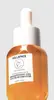
This brightening treatment is formulated around Hyaluronic Acid and Tranexamic Acid to brighten dull-looking skin and fade the look of dark spots.
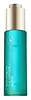
This calming serum is formulated around Niacinamide and Allantoin to calm redness and fade the look of dark spots.

What's inside
What's inside
 Key Ingredients
Benefits
Ingredients Side-by-side
Water
Skin ConditioningHyaluronic Acid
Humectant




Butylene Glycol
Humectant
Tranexamic Acid
Astringent




Betaine
Humectant
Diglycerin
Humectant
Glycerin
Humectant
Acetyl Glycyl Beta-Alanine
Skin ConditioningXylitylglucoside
Humectant
Anhydroxylitol
Humectant
Xylitol
Humectant
Glucose
Humectant
Ammonium Acryloyldimethyltaurate/Vp Copolymer
Glyceryl Glucoside
Humectant
Phenoxyethanol
Preservative
Gleditsia Triacanthos Seed Extract
Vitis Vinifera Seed Extract
Antimicrobial
Chlorphenesin
Antimicrobial
O-Cymen-5-Ol
Antimicrobial
Sodium DNA
Skin Conditioning
Water, Hyaluronic Acid, Butylene Glycol, Tranexamic Acid, Betaine, Diglycerin, Glycerin, Acetyl Glycyl Beta-Alanine, Xylitylglucoside, Anhydroxylitol, Xylitol, Glucose, Ammonium Acryloyldimethyltaurate/Vp Copolymer, Glyceryl Glucoside, Phenoxyethanol, Gleditsia Triacanthos Seed Extract, Vitis Vinifera Seed Extract, Chlorphenesin, O-Cymen-5-Ol, Sodium DNA
Aloe Barbadensis Leaf Juice
Skin Conditioning
Butylene Glycol
Humectant
Glycerin
Humectant
Niacinamide
Smoothing




Glycyrrhiza Glabra Root Extract
Bleaching
Curcuma Longa Root Extract
Antioxidant
Acetyl Glucosamine
Skin Conditioning
Scutellaria Baicalensis Root Extract
Astringent
Tranexamic Acid
Astringent
Boerhavia Diffusa Root Extract
Skin Protecting
Panthenol
Skin Conditioning
Allantoin
Skin Conditioning
Sodium Hyaluronate
Humectant
Carnosine
Skin Conditioning
Ascorbyl Glucoside
Antioxidant
Sodium Ascorbyl Phosphate
Antioxidant
Bakuchiol
Antimicrobial
Zinc PCA
Humectant
Polyglutamic Acid
Skin Conditioning
Cucumis Sativus Fruit Extract
Emollient
Spiraea Ulmaria Extract
AstringentCamellia Sinensis Leaf Extract
Antimicrobial
Lactobacillus/Coconut Fruit Juice Ferment Filtrate
Skin Conditioning
Lactobacillus/Pear Juice Ferment Filtrate
Skin ConditioningErgothioneine
Antioxidant
Quercetin
Antioxidant
Ubiquinone
Antioxidant
Sodium Citrate
BufferingXanthan Gum
EmulsifyingDisodium EDTA
ChelatingEthylhexylglycerin
Skin ConditioningPhenoxyethanol
Preservative
Genistein
Skin ConditioningPunica Granatum Fruit Extract
Antioxidant
Camellia Japonica Flower Extract
EmollientSodium Acetylated Hyaluronate
Humectant
Aloe Barbadensis Leaf Juice, Butylene Glycol, Glycerin, Niacinamide, Glycyrrhiza Glabra Root Extract, Curcuma Longa Root Extract, Acetyl Glucosamine, Scutellaria Baicalensis Root Extract, Tranexamic Acid, Boerhavia Diffusa Root Extract, Panthenol, Allantoin, Sodium Hyaluronate, Carnosine, Ascorbyl Glucoside, Sodium Ascorbyl Phosphate, Bakuchiol, Zinc PCA, Polyglutamic Acid, Cucumis Sativus Fruit Extract, Spiraea Ulmaria Extract, Camellia Sinensis Leaf Extract, Lactobacillus/Coconut Fruit Juice Ferment Filtrate, Lactobacillus/Pear Juice Ferment Filtrate, Ergothioneine, Quercetin, Ubiquinone, Sodium Citrate, Xanthan Gum, Disodium EDTA, Ethylhexylglycerin, Phenoxyethanol, Genistein, Punica Granatum Fruit Extract, Camellia Japonica Flower Extract, Sodium Acetylated Hyaluronate
Reviews
Ingredients Explained
These ingredients are found in both products.
Ingredients higher up in an ingredient list are typically present in a larger amount.
Butylene Glycol (or BG) is used within cosmetic products for a few different reasons:
Overall, Butylene Glycol is a safe and well-rounded ingredient that works well with other ingredients.
Though this ingredient works well with most skin types, some people with sensitive skin may experience a reaction such as allergic rashes, closed comedones, or itchiness.
Learn more about Butylene GlycolGlycerin (or glycerol) is a compound naturally found in your skin. It's a powerhouse humectant that pulls water into the stratum corneum.
Topically, glycerin does several things at once:
Your skin makes glycerin on its own (mostly from sebaceous oil breakdown) and shuttles it to your outermost layer of skin, or your epidermis, via aquaporin-3.
Aquaporin-3 is a transporter that is essential for normal skin hydration, elasticity, and repair. Interestingly, mice lacking in AQP3 have dry and less elastic skin that can be fully corrected with glycerin.
This ingredient is non-irritating, plays well with almost every ingredient, and works across all skin types. Typical use is anywhere between 3-10% but can go up to 79% in some leave-on products.
Just know very high concentrations (>40%) can feel tacky in low humidity.
Glycerin is the name for this ingredient in American English. British English uses Glycerol/Glycerine.
Learn more about GlycerinPhenoxyethanol is one of the most widely used preservatives in skincare (and for good reason!).
It has a large spectrum of antimicrobial activity and especially effective bacteria, yeast, and mold while only having a weak effect on your skin's natural microbiome.
On a cellular level, it disrupts the cell membranes of microbes by poking holes that make the cell leak. This shuts down the chemical reactions the microbe needs to make energy so it can no longer survive.
Another perk of this ingredient is that it stays functional across a wide pH range (3-10).
You'll often see it paired with boosters like Ethylhexylglycerin; one study showed that a 1:9 ratio of Ethylhexylglycerin to Phenoxyethanol damages bacterial membranes as effectively as doubling the Phenoxyethanol concentration on its own.
Typical use concentrations range from 0.3-1% depending on the formula, and this ingredient is capped at 1% int the EU.
Safety-wise, the fear mongering does not hold up to the evidence. The EU's Scientific Committee on Consumer Safety and FDA consider it safe as a preservative at up to 1%, including for children of all ages.
Adverse systemic effects only showed up in animal studies at exposures roughly 200x higher than what people get from cosmetics. And despite its very widespread use, this ingredient is a rare sensitizer and allergic reactions are uncommon.
Learn more about PhenoxyethanolTranexamic Acid (TXA) is a synthetic lysine derivative that is becoming one of the most exciting brightening ingredients in skincare.
Originally used in medicine as an anti-hemorrhagic agent, its skin brightening potential was discovered by accident; patients taking it orally started noticing their melasma was fading.
Unlike most brighteners that target tyrosinase (the enzyme that synthesizes melanin), TXA works further upstream. It basically blocks your cells from receiving the signal to produce pigment.
This makes it one of the rare actives that works on three pathways at once:
This makes it effective for treating melasma, post-inflammatory hyperpigmentation (PIH), and sun-induced dark spots.
The most effective cosmetic concentration sits between 2-5% and going higher doesn't boost results.
Side effects are generally mild; occasional irritation, flaking, or dryness have been reported at the start of use. Overall, this ingredient is pretty well tolerated, even by sensitive skin types.
Another perk of this ingredient is that it does not cause photosensitivity, so it's safe to use in the AM and PM.
"Does it actually penetrate?" is the part that gets argued about online and the honest answer from research + clinical trials at this time is "yes, but not easily."
TXA is a small molecule that loves water and carries both a positive and negative charge at the same time. Skin's outer layer is oily so a water-loving molecule like this has a hard time getting through it. Liu et al. 2021 showed that it doesn't really stick around well in the deeper layer where pigment-making cells actually live.
A 2025 paper puts it simply: penetration is poor and it depends heavily on how the product is formulated (Winn et al., J Cosmet Dermatol).
But "poor" isn't "none" and the research is fairly clear that topical TXA does something. A 2026 review that pooled results from multiple studies found it helped with moderate melasma but it didn't outperform hydroquinone. Some individual studies at 3% and 5% went head to head with hydroquinone and help up well.
So the fair takeaway is that it works, it's just slower and fussier about formulation than other actives (how the serum is built matters a lot).
There's real evidence here and it's not just clinic marketing. Reviews of microneedling plus TXA report less pigmentation, less melanin, and less redness (Zhang et al., Chinese Journal of Plastic and Reconstructive Surgery, 2024).
The most useful study compared 42 patients getting microneedling plus TXA against microneedling on its own; the group that got the acid saw much bigger improvement. This suggests the acid is pulling its weight and the needling isn't doing all the work.
Just two things worth flagging here:
Oral TXA also works well for melasma and gets used in clinics. However, it is a systemic drug with clotting-related risks and needs a prescription. Injections into the skin have also been studied with good results.
Neither is something a cosmetic product can do, but they help explain why so much attention goes into getting the topical version right.
Learn more about Tranexamic Acid

