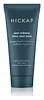
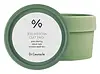
This wash off mask is formulated around Salicylic Acid to clear breakouts and unclog pores.


What's inside
What's inside
 Key Ingredients
Benefits
Concerns
Ingredients Side-by-side
Water
Skin ConditioningKaolin
Abrasive



Glycerin
Humectant


Polyglyceryl-3 Dicitrate/Stearate
Emulsifying

Caprylic/Capric Triglyceride
Masking
C10-18 Triglycerides
Emollient
Polyacrylate Crosspolymer-6
Emulsion StabilisingCetyl Alcohol
Emollient
Salicylic Acid
Masking






Sodium Lactate
Buffering
Allantoin
Skin Conditioning

Xanthan Gum
EmulsifyingT-Butyl Alcohol
Perfuming


Phenoxyethanol
Preservative
Ethylhexylglycerin
Skin ConditioningSodium Hydroxide
BufferingCharcoal Powder
Abrasive
Glycine Soja Oil
Emollient



Tocopherol
Antioxidant


Beta-Sitosterol
Emulsion Stabilising
Squalene
Emollient
Water, Kaolin, Glycerin, Polyglyceryl-3 Dicitrate/Stearate, Caprylic/Capric Triglyceride, C10-18 Triglycerides, Polyacrylate Crosspolymer-6, Cetyl Alcohol, Salicylic Acid, Sodium Lactate, Allantoin, Xanthan Gum, T-Butyl Alcohol, Phenoxyethanol, Ethylhexylglycerin, Sodium Hydroxide, Charcoal Powder, Glycine Soja Oil, Tocopherol, Beta-Sitosterol, Squalene
Water
Skin ConditioningKaolin
Abrasive
Dipropylene Glycol
HumectantBentonite
Absorbent
Betaine
Humectant
Silica
Abrasive
Butylene Glycol
Humectant
Montmorillonite
Absorbent1,2-Hexanediol
Skin Conditioning
Illite
Abrasive
Hydroxyethyl Urea
Humectant
Hydroxyacetophenone
Antioxidant
Cellulose
Absorbent
Xanthan Gum
EmulsifyingChromium Oxide Greens
Parfum
Masking
Citric Acid
Buffering
Camellia Sinensis Leaf Extract
Antimicrobial
Disodium EDTA
ChelatingEthylhexylglycerin
Skin ConditioningTocopherol
Antioxidant
Water, Kaolin, Dipropylene Glycol, Bentonite, Betaine, Silica, Butylene Glycol, Montmorillonite, 1,2-Hexanediol, Illite, Hydroxyethyl Urea, Hydroxyacetophenone, Cellulose, Xanthan Gum, Chromium Oxide Greens, Parfum, Citric Acid, Camellia Sinensis Leaf Extract, Disodium EDTA, Ethylhexylglycerin, Tocopherol
Reviews
Ingredients Explained
These ingredients are found in both products.
Ingredients higher up in an ingredient list are typically present in a larger amount.
Ethylhexylglycerin is created from glycerin. It is a multitasker ingredient that:
The CIR Expert Panel found minimal skin absorption or sensitization of any kind in a safety assessment. Though this ingredient is considered well-tolerated, a small number of cases of allergic dermatitis have been published since 2002. Just be sure to patch test if you are unsure.
Industry-reported use ranges from 8% in rinse-off products and 2% in leave-on formulations.
Learn more about EthylhexylglycerinKaolin is a clay. It is used for oil control and to help minimize pores. Like other clays, kaolin has the ability to absorb excess sebum or oil. This can help clean out pores and mattify the skin.
Some types of kaolin may have exfoliating properties. When water is added to kaolin, it becomes a paste with small abrasive particles.
Most kaolin is a white color, but may be pink/orange/red depending on where it comes from.
The name 'kaolin' comes from a Chinese village named 'Gaoling'. Kaolin clay comes from rocks rich in kaolinite. Kaolinite, the mineral, has a silicate layered structure. Kaolinite is formed from chemical weathering of aluminum siilicate minerals.
Besides skincare, kaolin is commonly used to make glossy paper, in ceramics, toothpaste, and as medicine to soothe stomach issues.
Learn more about KaolinTocopherol is a fat-soluble antioxidant known as Vitamin E.
You'll find this ingredient in the vast majority of skincare (for good reason). It works to neutralize free radicals, or unstable molecules generated by UV exposure, pollution, and other environmental stressors, before they can cause oxidative damage to your skin cells.
Topically applied tocopherol has been shown to protect against UV damage by ramping up the skin's own natural defense enzymes.
It also acts as a skin conditioning agent; some studies show that regular topical use can improve the skin's water-binding capacity over 2-4 weeks.
This ingredient is especially loved for being a team player. When combined with Vitamin C, the photoprotective effect of both ingredients roughly doubles and the combo also helps reduce UV-induced DNA damage.
This ingredient has some brightening potential but it's more of a prevention ingredient than spot-fader. Cell studies show it can slow down melanin production but it's worth noting that it's not the most powerful brightener out there.
In formulations, it also serves as a stabilizer that helps protect other oxidation-prone ingredients from degrading.
Concentrations usually range from 0.1-1% in most leave-on products.
Learn more about TocopherolWater. It's the most common cosmetic ingredient of all. You'll usually see it at the top of ingredient lists, meaning that it makes up the largest part of the product.
So why is it so popular? Water most often acts as a solvent - this means that it helps dissolve other ingredients into the formulation.
You'll also recognize water as that liquid we all need to stay alive. If you see this, drink a glass of water. Remember to stay hydrated!
Learn more about WaterXanthan gum is used as a stabilizer and thickener within cosmetic products. It helps give products a sticky, thick feeling - preventing them from being too runny.
On the technical side of things, xanthan gum is a polysaccharide - a combination consisting of multiple sugar molecules bonded together.
Xanthan gum is a pretty common and great ingredient. It is a natural, non-toxic, non-irritating ingredient that is also commonly used in food products.
Learn more about Xanthan Gum

