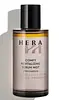
This hydrating serum is formulated around Tocopherol and Adenosine to hydrate skin and strengthen the skin barrier.
This hydrating serum is formulated around Camellia Sinensis Leaf Extract and Adenosine to hydrate skin and soften the look of wrinkles.


What's inside
What's inside
 Key Ingredients
Benefits
Concerns
Ingredients Side-by-side
Water
Skin ConditioningButylene Glycol
Humectant

Hydrogenated Poly(C6-14 Olefin)
EmollientGlycerin
Humectant
1,2-Hexanediol
Skin Conditioning
Betaine
Humectant
Sodium Chloride
MaskingEthylhexylglycerin
Skin ConditioningTocopherol
Antioxidant





Parfum
Masking




Disodium EDTA
ChelatingAdenosine
Skin Conditioning
Helianthus Annuus Seed Oil
Emollient

Camellia Japonica Seed Oil
Emollient
Daucus Carota Sativa Root Extract
Skin Conditioning
Propanediol
Solvent
Camellia Japonica Flower Extract
EmollientBioflavonoids
Skin ConditioningBeta-Carotene
Skin ConditioningWater, Butylene Glycol, Hydrogenated Poly(C6-14 Olefin), Glycerin, 1,2-Hexanediol, Betaine, Sodium Chloride, Ethylhexylglycerin, Tocopherol, Parfum, Disodium EDTA, Adenosine, Helianthus Annuus Seed Oil, Camellia Japonica Seed Oil, Daucus Carota Sativa Root Extract, Propanediol, Camellia Japonica Flower Extract, Bioflavonoids, Beta-Carotene
Camellia Japonica Flower Water
Skin ConditioningWater
Skin ConditioningGlycerin
Humectant
Caprylic/Capric Triglyceride
Masking
Simmondsia Chinensis Seed Oil
Emollient
Undecane
EmollientTridecane
Perfuming
Propanediol
Solvent
Sodium Chloride
MaskingCamellia Japonica Seed Oil
Emollient
Camellia Japonica Flower Extract
EmollientFaex
Skin ConditioningCamellia Sinensis Leaf Extract
Antimicrobial

Pentylene Glycol
Skin Conditioning
Sodium Citrate
BufferingChlorphenesin
Antimicrobial
Caprylyl Glycol
Emollient
Citric Acid
Buffering
Parfum
Masking
Adenosine
Skin Conditioning
Tocopherol
Antioxidant
1,2-Hexanediol
Skin Conditioning
Camellia Japonica Flower Water, Water, Glycerin, Caprylic/Capric Triglyceride, Simmondsia Chinensis Seed Oil, Undecane, Tridecane, Propanediol, Sodium Chloride, Camellia Japonica Seed Oil, Camellia Japonica Flower Extract, Faex, Camellia Sinensis Leaf Extract, Pentylene Glycol, Sodium Citrate, Chlorphenesin, Caprylyl Glycol, Citric Acid, Parfum, Adenosine, Tocopherol, 1,2-Hexanediol
Ingredients Explained
These ingredients are found in both products.
Ingredients higher up in an ingredient list are typically present in a larger amount.
1,2-Hexanediol is a synthetic liquid and another multi-functional powerhouse.
It is a:
- Humectant, drawing moisture into the skin
- Emollient, helping to soften skin
- Solvent, dispersing and stabilizing formulas
- Preservative booster, enhancing the antimicrobial activity of other preservatives
Adenosine is a purine nucleoside that your body already makes in every cell. In skincare, it acts mainly as a skin conditioning and anti-aging agent.
The way it works is fairly well mapped out:
Your skin has cells called fibroblasts that build collagen (the stuff that keeps skin firm and smooth). Adenosine basically flips a switch on these cells that tells them to get to work making more collagen and other proteins. These cells slow down on their own as skin ages, so Adenosine helps give them a little nudge to keep going.
The clinical backing is pretty solid too.
A blind, randomized, placebo-controlled trial of 126 women aged 45-65 tested a 0.1% cream twice daily and found real improvements in crow's feet and frown lines using a precise 3D skin-mapping technique; these changes showed up by week 3 and held at 2 months.
A later study using Adenosine-loaded dissolving microneedle patches reported gains in wrinkle depth, dermal density, elasticity, and hydration.
On concentrations, South Korea's Ministry of Food and Drug Safety has set 0.04% as the approved functional anti-wrinkle level. You'll typically see this ingredient used somewhere in the 0.04-0.1% range since it works at low doses.
This ingredient has been found safe for cosmetics with the data showing no irritation or sensitization.
Overall, this is a great ingredient for any anti-aging routine and has no photosensitizing effect, so it suits both AM and PM use.
Learn more about AdenosineCamellia Japonica Flower Extract comes from the Japanese Camellia plant (a cousin of the green tea plant). This plant is native to East Asia and known as "Tsubaki" in Japanese.
It's a flower extract packed with flavonoids and phenolic acids that give it most of its skincare value. In lab tests on human skin cells, the ethanol extract of the flower mopped up free radicals and boosted the skin's own antioxidant enzymes.
A separate study found the flower extract had solid antioxidant activity and reduced the reactive oxygen species that urban air pollution triggers in skin cells.
Newer work also points at anti-aging and calming effects:
One 2025 paper tied the extract and its component hyperoside to collagen III and elastin production plus better skin-barrier protein expression. A mouse study on eczema-like skin found four weeks of topical camellia extract reduced inflammation and itch-related markers.
Just know that most of these studies are cell-culture and animal work and not human trials. For now, it's best to treat it as a nice supporting antioxidant rather than a headline active.
At this time, there's no published regulatory use-level for this specific ingredient; suppliers usually sell it as a water/glycerin-based extract used in the low single-digit percent range.
There's no published contact-allergy case reports for this ingredient but as with any botanical, a patch test is sensible if you react to plant extracts generally.
Learn more about Camellia Japonica Flower ExtractThis ingredient is also known as Tsubaki oil, or the fixed oil from the seeds of the Japanese camellia.
It's basically a fatty acid delivery system (~75-85% oleic acid) plus some minor extras like squalene, tocopherols, and phytosterols.
That profile makes it a classic emollient; it works by hanging out with the skin's surface lipids, softens, and slows down water loss.
The most cited study on it was done on skin cells in a dish where this oil got them to make more of the building blocks for collagen while also slowing down the enzyme that breaks collagen down. Researchers tested this on human skin too; it didn't cause irritation and helped skin hold onto moisture better.
Another study done on cells and mice found this oil quieted down some of the body's inflammation signals.
These studies are still small, early, and not done on humans, so it's best to think of this ingredient as a great supporting ingredient for the rest of your routine and not the main active.
Concentrations can range from 1-5% in serums to 100% as a single face oil (how it's most traditionally used).
Because this ingredient is a triglyceride of long-chain fatty acids, this ingredient may not be Malassezia safe.
Allergies to this protein are quite rare as the refined seed oil contains very little residual protein. Human irritation testing also came back clean. But it is a plant and as with any botanical ingredient, contact allergy is possible.
Learn more about Camellia Japonica Seed OilGlycerin (or glycerol) is a compound naturally found in your skin. It's a powerhouse humectant that pulls water into the stratum corneum.
Topically, glycerin does several things at once:
Your skin makes glycerin on its own (mostly from sebaceous oil breakdown) and shuttles it to your outermost layer of skin, or your epidermis, via aquaporin-3.
Aquaporin-3 is a transporter that is essential for normal skin hydration, elasticity, and repair. Interestingly, mice lacking in AQP3 have dry and less elastic skin that can be fully corrected with glycerin.
This ingredient is non-irritating, plays well with almost every ingredient, and works across all skin types. Typical use is anywhere between 3-10% but can go up to 79% in some leave-on products.
Just know very high concentrations (>40%) can feel tacky in low humidity.
Glycerin is the name for this ingredient in American English. British English uses Glycerol/Glycerine.
Learn more about GlycerinParfum is a catch-all term for an ingredient or more that is used to give a scent to products.
Also called "fragrance", this ingredient can be a blend of hundreds of chemicals or plant oils. This means every product with "fragrance" or "parfum" in the ingredients list is a different mixture.
For instance, Habanolide is a proprietary trade name for a specific aroma chemical. When used as a fragrance ingredient in cosmetics, most aroma chemicals fall under the broad labeling category of “FRAGRANCE” or “PARFUM” according to EU and US regulations.
The term 'parfum' or 'fragrance' is not regulated in many countries. In many cases, it is up to the brand to define this term.
For instance, many brands choose to label themselves as "fragrance-free" because they are not using synthetic fragrances. However, their products may still contain ingredients such as essential oils that are considered a fragrance by INCI standards.
One example is Calendula flower extract. Calendula is an essential oil that still imparts a scent or 'fragrance'.
Depending on the blend, the ingredients in the mixture can cause allergies and sensitivities on the skin. Some ingredients that are known EU allergens include linalool and citronellol.
Parfum can also be used to mask or cover an unpleasant scent.
The bottom line is: not all fragrances/parfum/ingredients are created equally. If you are worried about fragrances, we recommend taking a closer look at an ingredient. And of course, we always recommend speaking with a professional.
Learn more about ParfumPropanediol is an all-star ingredient. It softens, hydrates, and smooths the skin.
It’s often used to:
Propanediol is not likely to cause sensitivity and considered safe to use. It is derived from corn or petroleum with a clear color and no scent.
Learn more about PropanediolChances are, you eat sodium chloride every day. Sodium Chloride is also known as table salt. This ingredient has many purposes in skincare: thickener, emulsifier, and exfoliator.
You'll most likely find this ingredient in cleansers where it is used to create a gel-like texture. As an emulsifier, it also prevents ingredients from separating.
You might see people debate whether Sodium Chloride is comedogenic, but there actually haven't been any comedogenic tests done on it. Either way, the overall formulation of a product matters a lot more than any single ingredient.
You might see this ingredient used in scrubs as a primary exfoliating ingredient.
Learn more about Sodium ChlorideTocopherol is a fat-soluble antioxidant known as Vitamin E.
You'll find this ingredient in the vast majority of skincare (for good reason). It works to neutralize free radicals, or unstable molecules generated by UV exposure, pollution, and other environmental stressors, before they can cause oxidative damage to your skin cells.
Topically applied tocopherol has been shown to protect against UV damage by ramping up the skin's own natural defense enzymes.
It also acts as a skin conditioning agent; some studies show that regular topical use can improve the skin's water-binding capacity over 2-4 weeks.
This ingredient is especially loved for being a team player. When combined with Vitamin C, the photoprotective effect of both ingredients roughly doubles and the combo also helps reduce UV-induced DNA damage.
This ingredient has some brightening potential but it's more of a prevention ingredient than spot-fader. Cell studies show it can slow down melanin production but it's worth noting that it's not the most powerful brightener out there.
In formulations, it also serves as a stabilizer that helps protect other oxidation-prone ingredients from degrading.
Concentrations usually range from 0.1-1% in most leave-on products.
Learn more about TocopherolWater. It's the most common cosmetic ingredient of all. You'll usually see it at the top of ingredient lists, meaning that it makes up the largest part of the product.
So why is it so popular? Water most often acts as a solvent - this means that it helps dissolve other ingredients into the formulation.
You'll also recognize water as that liquid we all need to stay alive. If you see this, drink a glass of water. Remember to stay hydrated!
Learn more about Water

