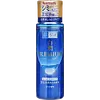
This barrier-repair moisturizer is formulated around Sodium Hyaluronate to strengthen the skin barrier and hydrate skin.
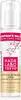
This brightening essence is formulated around Tranexamic Acid and Dipotassium Glycyrrhizate to fade the look of dark spots and brighten dull-looking skin.

What's inside
What's inside
 Key Ingredients
Benefits
Concerns
No concerns
Ingredients Side-by-side
Water
Skin ConditioningButylene Glycol
Humectant

PPG-10 Methyl Glucose Ether
Skin ConditioningHydroxyethyl Urea
Humectant
Diglycerin
Humectant
PEG-32
HumectantTriethyl Citrate
Masking

Maltooligosyl Glucoside
Skin ConditioningSodium Hyaluronate
Humectant


Hydrolyzed Sodium Hyaluronate
Skin Conditioning

Hydrolyzed Hyaluronic Acid
Humectant
Sodium Acetylated Hyaluronate
Humectant
Hydroxypropyltrimonium Hyaluronate
Sodium Hyaluronate Crosspolymer
Humectant
Lactococcus/Hyaluronic Acid Ferment Filtrate
Aphanothece Sacrum Exopolysaccharides
AbsorbentHydrogenated Starch Hydrolysate
HumectantSorbitol
Humectant
Propanediol
Solvent
Pentylene Glycol
Skin Conditioning
Polyquaternium-51
Skin Conditioning
Carbomer
Emulsion StabilisingPEG-75
HumectantSodium Hydroxide
BufferingCitric Acid
Buffering


Disodium EDTA
ChelatingSodium Citrate
BufferingPhenoxyethanol
Preservative
Caprylhydroxamic Acid
ChelatingWater, Butylene Glycol, PPG-10 Methyl Glucose Ether, Hydroxyethyl Urea, Diglycerin, PEG-32, Triethyl Citrate, Maltooligosyl Glucoside, Sodium Hyaluronate, Hydrolyzed Sodium Hyaluronate, Hydrolyzed Hyaluronic Acid, Sodium Acetylated Hyaluronate, Hydroxypropyltrimonium Hyaluronate, Sodium Hyaluronate Crosspolymer, Lactococcus/Hyaluronic Acid Ferment Filtrate, Aphanothece Sacrum Exopolysaccharides, Hydrogenated Starch Hydrolysate, Sorbitol, Propanediol, Pentylene Glycol, Polyquaternium-51, Carbomer, PEG-75, Sodium Hydroxide, Citric Acid, Disodium EDTA, Sodium Citrate, Phenoxyethanol, Caprylhydroxamic Acid
Tranexamic Acid
Astringent

Dipotassium Glycyrrhizate
Humectant
Hydrolyzed Hyaluronic Acid
Humectant
Sodium Hyaluronate
Humectant
Magnesium Ascorbyl Phosphate
Antioxidant



Tocopherol
Antioxidant
Butylene Glycol
Humectant
Glycerin
Humectant
Diglycerin
Humectant
Pentylene Glycol
Skin Conditioning
Dipropylene Glycol
HumectantPEG-30 Dipolyhydroxystearate
Emulsifying
PEG-8
HumectantHydrogenated Lecithin
Emulsifying
Citric Acid
Buffering
EDTA
ChelatingStyrene/Vp Copolymer
Polysorbate 20
Emulsifying
Phenoxyethanol
Preservative
Tranexamic Acid, Dipotassium Glycyrrhizate, Hydrolyzed Hyaluronic Acid, Sodium Hyaluronate, Magnesium Ascorbyl Phosphate, Tocopherol, Butylene Glycol, Glycerin, Diglycerin, Pentylene Glycol, Dipropylene Glycol, PEG-30 Dipolyhydroxystearate, PEG-8, Hydrogenated Lecithin, Citric Acid, EDTA, Styrene/Vp Copolymer, Polysorbate 20, Phenoxyethanol
Reviews
Ingredients Explained
These ingredients are found in both products.
Ingredients higher up in an ingredient list are typically present in a larger amount.
Butylene Glycol (or BG) is used within cosmetic products for a few different reasons:
Overall, Butylene Glycol is a safe and well-rounded ingredient that works well with other ingredients.
Though this ingredient works well with most skin types, some people with sensitive skin may experience a reaction such as allergic rashes, closed comedones, or itchiness.
Learn more about Butylene GlycolCitric Acid is an alpha hydroxy acid (AHA) naturally found in citrus fruits like oranges, lemons, and limes.
Like other AHAs, citric acid can exfoliate skin by breaking down the bonds that hold dead skin cells together. This helps reveal smoother and brighter skin underneath.
However, this exfoliating effect only happens at high concentrations (20%) which can be hard to find in cosmetic products.
Due to this, citric acid is usually included in small amounts as a pH adjuster. This helps keep products slightly more acidic and compatible with skin's natural pH.
In skincare formulas, citric acid can:
While it can provide some skin benefits, research shows lactic acid and glycolic acid are generally more effective and less irritating exfoliants.
Most citric acid used in skincare today is made by fermenting sugars (usually from molasses). This synthetic version is identical to the natural citrus form but easier to stabilize and use in formulations.
Rosacea skin has a lower threshold for acids generally, with 62.5% of rosacea subjects in one study reacting to lactic acid in a sting test. This is why we mark citric acid as a potential rosacea trigger.
However, this ingredient shows up as a pH adjuster or chelator at roughly 0.1-1% in many products. These low levels are unlikely to be an issue for rosacea skin and becomes a potential trigger at exfoliating concentrations (20%). Because everybody's skin is unique, we recommend a patch test if you are unsure.
Learn more about Citric AcidDiglycerin is a humectant. It is derived from glycerin, which is naturally found in your skin.
As a humectant, it helps draw moisture to the skin from the air.
Hydrolyzed Hyaluronic Acid is hyaluronic acid (HA) that is broken down into lower molecular weight fragments.
It's a humectant that pulls and holds water in the skin to help with hydration, plumpness, and reduce transepidermal water loss.
Because hydrolyzed hyaluronic acid is smaller in size, it can slip past your outermost layer of skin more easily than full-sized HA.
Most formulations will combine all sizes to get the best of both worlds.
Typical usage levels range from 0.01-1%. Any percentage higher than 2% might become goopy and tacky.
Learn more about Hydrolyzed Hyaluronic AcidPentylene Glycol (1,2-pentanediol) is a multitasking little diol with three main roles in a formula:
Research on alkanediols (the family pentylene glycol belongs to) show they work by disrupting microbial cell membranes. This disruption helps the primary preservative system in a product work more effectively at lower doses.
On the safety side, the Cosmetic Ingredient Review Expert Panel has concluded this ingredient to be safe as used in current cosmetic practices + concentrations.
Typical use levels in a formula run about 1-5%.
Learn more about Pentylene GlycolPhenoxyethanol is one of the most widely used preservatives in skincare (and for good reason!).
It has a large spectrum of antimicrobial activity and especially effective bacteria, yeast, and mold while only having a weak effect on your skin's natural microbiome.
On a cellular level, it disrupts the cell membranes of microbes by poking holes that make the cell leak. This shuts down the chemical reactions the microbe needs to make energy so it can no longer survive.
Another perk of this ingredient is that it stays functional across a wide pH range (3-10).
You'll often see it paired with boosters like Ethylhexylglycerin; one study showed that a 1:9 ratio of Ethylhexylglycerin to Phenoxyethanol damages bacterial membranes as effectively as doubling the Phenoxyethanol concentration on its own.
Typical use concentrations range from 0.3-1% depending on the formula, and this ingredient is capped at 1% int the EU.
Safety-wise, the fear mongering does not hold up to the evidence. The EU's Scientific Committee on Consumer Safety and FDA consider it safe as a preservative at up to 1%, including for children of all ages.
Adverse systemic effects only showed up in animal studies at exposures roughly 200x higher than what people get from cosmetics. And despite its very widespread use, this ingredient is a rare sensitizer and allergic reactions are uncommon.
Learn more about PhenoxyethanolSodium Hyaluronate is the salt form of hyaluronic acid. It is a long sugar chain that is naturally found in your skin, joints, and connective tissue that maintains hydration and elasticity.
In skincare, it works as a humectant. It pulls water from the environment and deeper layers of skin and binds it to the surface.
Interestingly, the size of the molecule affects its behavior:
Some clinical evidence links low molecular weight versions to improved wrinkle depth, elasticity, anti-inflammatory effects, and barrier repair.
Many serums use a blend of both weights so you can get surface hydration plus longer-lasting and deeper effects.
You'll typically see concentrations between 0.1-2% for this ingredient.
Learn more about Sodium Hyaluronate

