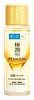
This hydrating toner is formulated around Niacinamide and Sodium Hyaluronate to hydrate skin and strengthen the skin barrier.
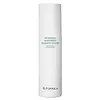
This calming toner is formulated around Artemisia Vulgaris Extract and Panthenol to calm redness and strengthen the skin barrier.


What's inside
What's inside
 Key Ingredients
Benefits
Ingredients Side-by-side
Water
Skin ConditioningGlycerin
Humectant


Dipropylene Glycol
HumectantNiacinamide
Smoothing









Hydroxyethyl Urea
Humectant
Pentylene Glycol
Skin Conditioning
PEG/PPG-17/6 Copolymer
SolventPEG-32
HumectantTriethyl Citrate
Masking

Methyl Gluceth-10
Emulsifying1,2-Hexanediol
Skin Conditioning
Butylene Glycol
Humectant
Trehalose
Humectant
Hydroxyacetophenone
Antioxidant
Carbomer
Emulsion StabilisingDiethoxyethyl Succinate
SolventPEG-75
HumectantMaltooligosyl Glucoside
Skin ConditioningDisodium Succinate
MaskingSodium Hyaluronate
Humectant
Hydrogenated Starch Hydrolysate
HumectantPotassium Hydroxide
BufferingLactobacillus/Soybean Ferment Extract
Skin ConditioningViscum Album Leaf Extract
SoothingSuccinic Acid
BufferingDisodium EDTA
ChelatingImperata Cylindrica Root Extract
Skin ConditioningHydrolyzed Sodium Hyaluronate
Skin Conditioning
C12-13 Alkyl Glyceryl Hydrolyzed Hyaluronate
Phenylethyl Resorcinol
Antioxidant
Hydrolyzed Collagen
Emollient
Copper Tripeptide-1
Skin Conditioning
Sodium Acetylated Hyaluronate
Humectant
Caprylyl Glycol
Emollient
Polyquaternium-51
Skin Conditioning
Sodium Hyaluronate Crosspolymer
Humectant
Lactococcus/Hyaluronic Acid Ferment Filtrate
Acetyl Hexapeptide-8
Humectant
Aphanothece Sacrum Polysaccharide
AbsorbentSilica
Abrasive
Water, Glycerin, Dipropylene Glycol, Niacinamide, Hydroxyethyl Urea, Pentylene Glycol, PEG/PPG-17/6 Copolymer, PEG-32, Triethyl Citrate, Methyl Gluceth-10, 1,2-Hexanediol, Butylene Glycol, Trehalose, Hydroxyacetophenone, Carbomer, Diethoxyethyl Succinate, PEG-75, Maltooligosyl Glucoside, Disodium Succinate, Sodium Hyaluronate, Hydrogenated Starch Hydrolysate, Potassium Hydroxide, Lactobacillus/Soybean Ferment Extract, Viscum Album Leaf Extract, Succinic Acid, Disodium EDTA, Imperata Cylindrica Root Extract, Hydrolyzed Sodium Hyaluronate, C12-13 Alkyl Glyceryl Hydrolyzed Hyaluronate, Phenylethyl Resorcinol, Hydrolyzed Collagen, Copper Tripeptide-1, Sodium Acetylated Hyaluronate, Caprylyl Glycol, Polyquaternium-51, Sodium Hyaluronate Crosspolymer, Lactococcus/Hyaluronic Acid Ferment Filtrate, Acetyl Hexapeptide-8, Aphanothece Sacrum Polysaccharide, Silica
Water
Skin ConditioningArtemisia Vulgaris Extract
Skin Conditioning
Aloe Barbadensis Leaf Water
MaskingDipropylene Glycol
Humectant1,2-Hexanediol
Skin Conditioning
Pentylene Glycol
Skin Conditioning
Xylitol
Humectant
Panthenol
Skin Conditioning
Ethylhexylglycerin
Skin ConditioningDipotassium Glycyrrhizate
Humectant
Phenoxyethanol
Preservative
Carbomer
Emulsion StabilisingSodium Phytate
ChelatingTromethamine
BufferingTocopherol
Antioxidant
Reviews
Ingredients Explained
These ingredients are found in both products.
Ingredients higher up in an ingredient list are typically present in a larger amount.
1,2-Hexanediol is a synthetic liquid and another multi-functional powerhouse.
It is a:
- Humectant, drawing moisture into the skin
- Emollient, helping to soften skin
- Solvent, dispersing and stabilizing formulas
- Preservative booster, enhancing the antimicrobial activity of other preservatives
Carbomer is a synthetic thickening and gelling agent. It's basically the ingredient that gives a lot of serums, gels, creams, and sunscreens their smooth, non-sticky texture.
Although legally permitted at very high levels, carbomers are normally used at concentrations below 1%.
It also needs to be neutralized to actually thicken, and because it is a large molecule, it doesn't really penetrate the skin barrier.
Allergy-wise, the risk is very low. Clinical studies show carbomers have low potential for skin irritation/sensitization even at concentrations up to 100%.
A 2024 UK study patch-tested 1,302 patients and found true allergy to the parent group of carbomer to be rare with no confirmed relevant reactions.
Learn more about CarbomerDipropylene Glycol is a synthetically created humectant, stabilizer, and solvent.
This ingredient helps:
Dipropylene glycol is technically an alcohol, but it belongs to the glycol family (often considered part of the ‘good’ alcohols). This means it is hydrating and gentle on skin unlike drying solvent alcohols like denatured alcohol.
As a masking agent, Dipropylene Glycol can be used to cover the smell of other ingredients. However, it does not have a scent.
Studies show Dipropylene Glycol is considered safe to use in skincare.
Learn more about Dipropylene GlycolPentylene Glycol (1,2-pentanediol) is a multitasking little diol with three main roles in a formula:
Research on alkanediols (the family pentylene glycol belongs to) show they work by disrupting microbial cell membranes. This disruption helps the primary preservative system in a product work more effectively at lower doses.
On the safety side, the Cosmetic Ingredient Review Expert Panel has concluded this ingredient to be safe as used in current cosmetic practices + concentrations.
Typical use levels in a formula run about 1-5%.
Learn more about Pentylene GlycolWater. It's the most common cosmetic ingredient of all. You'll usually see it at the top of ingredient lists, meaning that it makes up the largest part of the product.
So why is it so popular? Water most often acts as a solvent - this means that it helps dissolve other ingredients into the formulation.
You'll also recognize water as that liquid we all need to stay alive. If you see this, drink a glass of water. Remember to stay hydrated!
Learn more about Water

