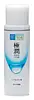
This hydrating toner is formulated around Sodium Hyaluronate and Hydrolyzed Hyaluronic Acid to hydrate skin and strengthen the skin barrier.
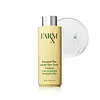
This brightening toner is formulated around Gluconolactone to brighten dull-looking skin and refine skin texture.


What's inside
What's inside
 Key Ingredients
Benefits
Concerns
No concerns
Ingredients Side-by-side
Lactococcus/Hyaluronic Acid Ferment Filtrate

Sodium Hyaluronate
Humectant



Hydrolyzed Hyaluronic Acid
Humectant
Sodium Acetylated Hyaluronate
Humectant
Water
Skin ConditioningButylene Glycol
Humectant
Glycerin
Humectant
PPG-10 Methyl Glucose Ether
Skin ConditioningDisodium Succinate
MaskingHydroxyethylcellulose
Emulsion StabilisingSuccinic Acid
BufferingPentylene Glycol
Skin Conditioning
Dipropylene Glycol
HumectantDiglycerin
Humectant
Phenoxyethanol
Preservative
Disodium EDTA
ChelatingLactococcus/Hyaluronic Acid Ferment Filtrate, Sodium Hyaluronate, Hydrolyzed Hyaluronic Acid, Sodium Acetylated Hyaluronate, Water, Butylene Glycol, Glycerin, PPG-10 Methyl Glucose Ether, Disodium Succinate, Hydroxyethylcellulose, Succinic Acid, Pentylene Glycol, Dipropylene Glycol, Diglycerin, Phenoxyethanol, Disodium EDTA
Water
Skin ConditioningPropanediol
Solvent
Pentylene Glycol
Skin Conditioning
Glycerin
Humectant
Ethoxydiglycol
HumectantPropylene Glycol
Humectant

Butylene Glycol
Humectant
Glyceryl Caprylate
EmollientHydroxyethylcellulose
Emulsion StabilisingAllantoin
Skin Conditioning
Gluconolactone
Chelating





1,2-Hexanediol
Skin Conditioning
Lactobacillus/Soybean Ferment Extract
Skin ConditioningSaccharomyces/Potato Extract Ferment Filtrate
Humectant
Saccharomyces/Barley Seed Ferment Filtrate
HumectantPolyglyceryl-10 Stearate
Skin Conditioning
Polyglyceryl-10 Oleate
Skin Conditioning
Arginine
Masking
Sodium Hyaluronate
Humectant
Beta-Glucan
Skin Conditioning
Ananas Sativus Fruit Extract
Skin ConditioningHydrolyzed Corn Starch
HumectantCitrus Limon Peel Oil
Masking





Sucrose
Humectant
Lactobacillus/Punica Granatum Fruit Ferment Extract
Antioxidant

Carica Papaya Fruit Extract
Skin ConditioningCitrullus Lanatus Fruit Extract
Skin Conditioning
Citrus Limon Peel Extract
EmollientSolanum Lycopersicum Fruit Extract
Antioxidant
Disodium Phosphate
BufferingSodium Phosphate
BufferingPiper Nigrum Fruit Oil
Masking
Zingiber Officinale Root Oil
Masking
Cinnamomum Cassia Leaf Oil
Masking
Rosa Damascena Flower Oil
Masking
Achillea Millefolium Extract
CleansingCalendula Officinalis Flower Extract
Masking
Lavandula Angustifolia Flower/Leaf/Stem Extract
Masking
Salvia Officinalis Extract
Antimicrobial
Water, Propanediol, Pentylene Glycol, Glycerin, Ethoxydiglycol, Propylene Glycol, Butylene Glycol, Glyceryl Caprylate, Hydroxyethylcellulose, Allantoin, Gluconolactone, 1,2-Hexanediol, Lactobacillus/Soybean Ferment Extract, Saccharomyces/Potato Extract Ferment Filtrate, Saccharomyces/Barley Seed Ferment Filtrate, Polyglyceryl-10 Stearate, Polyglyceryl-10 Oleate, Arginine, Sodium Hyaluronate, Beta-Glucan, Ananas Sativus Fruit Extract, Hydrolyzed Corn Starch, Citrus Limon Peel Oil, Sucrose, Lactobacillus/Punica Granatum Fruit Ferment Extract, Carica Papaya Fruit Extract, Citrullus Lanatus Fruit Extract, Citrus Limon Peel Extract, Solanum Lycopersicum Fruit Extract, Disodium Phosphate, Sodium Phosphate, Piper Nigrum Fruit Oil, Zingiber Officinale Root Oil, Cinnamomum Cassia Leaf Oil, Rosa Damascena Flower Oil, Achillea Millefolium Extract, Calendula Officinalis Flower Extract, Lavandula Angustifolia Flower/Leaf/Stem Extract, Salvia Officinalis Extract
Reviews
Ingredients Explained
These ingredients are found in both products.
Ingredients higher up in an ingredient list are typically present in a larger amount.
Butylene Glycol (or BG) is used within cosmetic products for a few different reasons:
Overall, Butylene Glycol is a safe and well-rounded ingredient that works well with other ingredients.
Though this ingredient works well with most skin types, some people with sensitive skin may experience a reaction such as allergic rashes, closed comedones, or itchiness.
Learn more about Butylene GlycolGlycerin (or glycerol) is a compound naturally found in your skin. It's a powerhouse humectant that pulls water into the stratum corneum.
Topically, glycerin does several things at once:
Your skin makes glycerin on its own (mostly from sebaceous oil breakdown) and shuttles it to your outermost layer of skin, or your epidermis, via aquaporin-3.
Aquaporin-3 is a transporter that is essential for normal skin hydration, elasticity, and repair. Interestingly, mice lacking in AQP3 have dry and less elastic skin that can be fully corrected with glycerin.
This ingredient is non-irritating, plays well with almost every ingredient, and works across all skin types. Typical use is anywhere between 3-10% but can go up to 79% in some leave-on products.
Just know very high concentrations (>40%) can feel tacky in low humidity.
Glycerin is the name for this ingredient in American English. British English uses Glycerol/Glycerine.
Learn more about GlycerinHydroxyethylcellulose is used to improve the texture of products. It is created from a chemical reaction involving ethylene oxide and alkali-cellulose. Cellulose is a sugar found in plant cell walls and help give plants structure.
This ingredient helps stabilize products by preventing ingredients from separating. It can also help thicken the texture of a product.
This ingredient can also be found in pill medicines to help our bodies digest other ingredients.
Learn more about HydroxyethylcellulosePentylene Glycol (1,2-pentanediol) is a multitasking little diol with three main roles in a formula:
Research on alkanediols (the family pentylene glycol belongs to) show they work by disrupting microbial cell membranes. This disruption helps the primary preservative system in a product work more effectively at lower doses.
On the safety side, the Cosmetic Ingredient Review Expert Panel has concluded this ingredient to be safe as used in current cosmetic practices + concentrations.
Typical use levels in a formula run about 1-5%.
Learn more about Pentylene GlycolSodium Hyaluronate is the salt form of hyaluronic acid. It is a long sugar chain that is naturally found in your skin, joints, and connective tissue that maintains hydration and elasticity.
In skincare, it works as a humectant. It pulls water from the environment and deeper layers of skin and binds it to the surface.
Interestingly, the size of the molecule affects its behavior:
Some clinical evidence links low molecular weight versions to improved wrinkle depth, elasticity, anti-inflammatory effects, and barrier repair.
Many serums use a blend of both weights so you can get surface hydration plus longer-lasting and deeper effects.
You'll typically see concentrations between 0.1-2% for this ingredient.
Learn more about Sodium HyaluronateWater. It's the most common cosmetic ingredient of all. You'll usually see it at the top of ingredient lists, meaning that it makes up the largest part of the product.
So why is it so popular? Water most often acts as a solvent - this means that it helps dissolve other ingredients into the formulation.
You'll also recognize water as that liquid we all need to stay alive. If you see this, drink a glass of water. Remember to stay hydrated!
Learn more about Water

