This wash off mask is formulated around Glycolic Acid to exfoliate and smooth skin.
This wash off mask is formulated around Glycolic Acid to exfoliate and smooth skin.

What's inside
What's inside
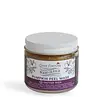 Key Ingredients
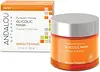
Benefits
Concerns
Ingredients Side-by-side
Cucurbita Pepo
Skin Conditioning

Water
Skin ConditioningGlycerin
Humectant


Tetrasodium EDTA
ChelatingTocopherol
Antioxidant





Helianthus Annuus Seed Oil
Emollient
Phenoxyethanol
Preservative
Citric Acid
Buffering
Limnanthes Alba Seed Oil
Skin Conditioning
Xanthan Gum
EmulsifyingGlycolic Acid
Buffering





Ascorbic Acid
Antioxidant
Saccharum Officinarum Extract
MoisturisingVaccinium Myrtillus Fruit Extract
Skin ConditioningAcer Saccharum Extract
Skin ConditioningCitrus Aurantium Dulcis Peel Extract
Emulsion Stabilising
Citrus Limon Peel Extract
EmollientVaccinium Macrocarpon Fruit Extract
AstringentRosmarinus Officinalis Leaf Extract
AntimicrobialMelia Azadirachta Seed Oil
Emollient
Cinnamomum Zeylanicum Bark Powder
Skin ConditioningZingiber Officinale Root Powder
Skin ConditioningPimenta Officinalis Fruit Extract
MaskingMyristica Fragrans Powder
MaskingAlcohol
Antimicrobial


Cucurbita Pepo, Water, Glycerin, Tetrasodium EDTA, Tocopherol, Helianthus Annuus Seed Oil, Phenoxyethanol, Citric Acid, Limnanthes Alba Seed Oil, Xanthan Gum, Glycolic Acid, Ascorbic Acid, Saccharum Officinarum Extract, Vaccinium Myrtillus Fruit Extract, Acer Saccharum Extract, Citrus Aurantium Dulcis Peel Extract, Citrus Limon Peel Extract, Vaccinium Macrocarpon Fruit Extract, Rosmarinus Officinalis Leaf Extract, Melia Azadirachta Seed Oil, Cinnamomum Zeylanicum Bark Powder, Zingiber Officinale Root Powder, Pimenta Officinalis Fruit Extract, Myristica Fragrans Powder, Alcohol
Cucurbita Pepo
Skin Conditioning
Aloe Barbadensis Leaf Juice
Skin Conditioning
Water
Skin ConditioningGlycerin
Humectant
Honey
Humectant
Hydroxypropyl Starch Phosphate
Tocopherol
Antioxidant
Malus Domestica Fruit Cell Culture Extract
Skin ConditioningHelianthus Annuus Seed Oil
Emollient
Calophyllum Inophyllum Seed Oil
Antimicrobial
Limnanthes Alba Seed Oil
Skin Conditioning
Glycolic Acid
Buffering
Magnesium Ascorbyl Phosphate
Antioxidant
Pyrus Malus Fruit Extract
Skin Conditioning
Ananas Sativus Fruit Extract
Skin ConditioningSaccharum Officinarum Extract
MoisturisingCitrus Medica Limonum Fruit Extract
Skin ConditioningXanthan Gum
EmulsifyingSodium Hyaluronate
Humectant
Lecithin
Emollient
Caprylyl Glycol
Emollient
Aspalathus Linearis Extract
Skin ConditioningPhenethyl Alcohol
MaskingEthylhexylglycerin
Skin ConditioningEugenia Caryophyllus Flower Extract
AstringentMyristica Fragrans Powder
MaskingCinnamomum Cassia Bark
Skin ConditioningCucurbita Pepo, Aloe Barbadensis Leaf Juice, Water, Glycerin, Honey, Hydroxypropyl Starch Phosphate, Tocopherol, Malus Domestica Fruit Cell Culture Extract, Helianthus Annuus Seed Oil, Calophyllum Inophyllum Seed Oil, Limnanthes Alba Seed Oil, Glycolic Acid, Magnesium Ascorbyl Phosphate, Pyrus Malus Fruit Extract, Ananas Sativus Fruit Extract, Saccharum Officinarum Extract, Citrus Medica Limonum Fruit Extract, Xanthan Gum, Sodium Hyaluronate, Lecithin, Caprylyl Glycol, Aspalathus Linearis Extract, Phenethyl Alcohol, Ethylhexylglycerin, Eugenia Caryophyllus Flower Extract, Myristica Fragrans Powder, Cinnamomum Cassia Bark
Reviews
Ingredients Explained
These ingredients are found in both products.
Ingredients higher up in an ingredient list are typically present in a larger amount.
Cucurbita Pepo is a species that includes the classic orange pumpkin, zucchini/courgettes, and various edible squashes.
These pumpkins and squashes are rich in vitamins, minerals, antioxidants, and alpha-hydroxy acids (AHAs).
Glycerin (or glycerol) is a compound naturally found in your skin. It's a powerhouse humectant that pulls water into the stratum corneum.
Topically, glycerin does several things at once:
Your skin makes glycerin on its own (mostly from sebaceous oil breakdown) and shuttles it to your outermost layer of skin, or your epidermis, via aquaporin-3.
Aquaporin-3 is a transporter that is essential for normal skin hydration, elasticity, and repair. Interestingly, mice lacking in AQP3 have dry and less elastic skin that can be fully corrected with glycerin.
This ingredient is non-irritating, plays well with almost every ingredient, and works across all skin types. Typical use is anywhere between 3-10% but can go up to 79% in some leave-on products.
Just know very high concentrations (>40%) can feel tacky in low humidity.
Glycerin is the name for this ingredient in American English. British English uses Glycerol/Glycerine.
Learn more about GlycerinGlycolic Acid is arguably the most famous alpha hydroxy acid (AHA) with tons of research backing its benefits.
It is found naturally in sugar cane but the form used in skincare is usually synthetic for purity and stability.
Glycolic acid removes the top layer of dead skin cells to allow newer and fresher ones to emerge.
AHAs work by breaking down the structural “glue” that holds old skin cells in place. When that buildup is gone, your skin can renew itself more efficiently.
Research also shows glycolic acid stimulates collagen production, helping to firm and thicken the skin over time. This is one of its biggest advantages over other AHAs.
Overall, glycolic acid helps with:
Fun fact: Glycolic acid boosts skin hydration by helping it produce molecules that increase hyaluronic acid naturally.
To work best, glycolic acid products should have a pH between 3-4 (that’s where exfoliation is most effective but still gentle on skin).
The pH and concentration of a product are key to its effectiveness:
It is normal to feel a slight stinging sensation when using glycolic acid. This usually fades as your skin adjusts.
Because glycolic acid has the smallest molecular size in the AHA family, it can penetrate deeper, which enhances its effectiveness but also makes it more likely to irritate sensitive skin.
If your skin is very sensitive or prone to rosacea, glycolic acid may be too strong; in that case, try milder options like lactic acid or a PHA instead.
Recent studies suggest glycolic acid might even help protect against UV damage. But don’t skip sunscreen! Freshly exfoliated skin is more sensitive to the sun.
Glycolic acid is a skincare superstar. It smooths, brightens, hydrates, and firms the skin. Unless you’re highly sensitive, it’s well worth adding to your routine.
Read more about some other popular AHA's here:
Learn more about Glycolic AcidHelianthus Annuus Seed Oil is a plant oil derived from the seeds of a sunflower.
It is rich in fatty acids, primarily linoleic acid and oleic acid. This gives it emollient and skin conditioning properties.
The reason this ingredient is so effective is because it forms a thin film on the skin that reduces transepidermal water loss (TEWL) while supplying linoleic acid to the stratum corneum to improve barrier strength.
The high linoleic acid content is particularly noteworthy for acne-prone skin.
Research suggests that acne-prone skin tends to be deficient in linoleic acid in sebum. Topical application may help replenish this to support a healthier follicular environment and less comedone-promoting sebum.
One randomized study found sunflower seed oil preserved skin barrier integrity in adult volunteers with and without atopic dermatitis (outperforming olive oil).
This ingredient is well-studied, gentle, and an effective emollient suitable for most skin types.
On fungal acne: This ingredient may not be Fungal acne (Malassezia folliculitis) safe. This is because it contains fatty acids with carbon chain lengths in the C11-C24 range.
Learn more about Helianthus Annuus Seed OilLimnanthes Alba Seed Oil is from the seeds of the meadowfoam plant. It is a skin conditioning agent and emollient that sits on top of skin to soften and hydrate it.
Over 98% of the oil is made up of long-chain fatty acids, mostly aachidic acid (61%), docosenoic acid (~16%), and docosadienoic acid (~18%).
This combination is not really found in any other plant oil and is the reason this is one of the most stable botanical oils available.
Some studies show it to be more stable than jojoba oil, helps a product resist going rancid, and can help extend the shelf life of a formula.
It also naturally contains vitamin E and phytosterols that give it a mild antioxidant benefit.
This ingredient is typically used from around 1% to fairly high levels since it's gentle; it's well-tolerated and low on the irritation scale.
Learn more about Limnanthes Alba Seed OilThis ingredient is also known as ground nutmeg.
This ingredient is also called sugarcane extract. It is a moisturizing humectant and has skin soothing properties.
Similar to hyaluronic acid, sugarcane can attract moisture to your skin.
Glycolic acid is a derivative of sugarcane. While glycolic acid is an AHA with exfoliating properties, sugarcane is not an AHA.
A study from 2021 found the compounds in sugarcane extract to have antioxidant, antimicrobial, and anti-inflammatory activity. The study also suggests these compounds can inhibit skin ageing enzymes and promote collagen synthesis.
Learn more about Saccharum Officinarum ExtractTocopherol is a fat-soluble antioxidant known as Vitamin E.
You'll find this ingredient in the vast majority of skincare (for good reason). It works to neutralize free radicals, or unstable molecules generated by UV exposure, pollution, and other environmental stressors, before they can cause oxidative damage to your skin cells.
Topically applied tocopherol has been shown to protect against UV damage by ramping up the skin's own natural defense enzymes.
It also acts as a skin conditioning agent; some studies show that regular topical use can improve the skin's water-binding capacity over 2-4 weeks.
This ingredient is especially loved for being a team player. When combined with Vitamin C, the photoprotective effect of both ingredients roughly doubles and the combo also helps reduce UV-induced DNA damage.
This ingredient has some brightening potential but it's more of a prevention ingredient than spot-fader. Cell studies show it can slow down melanin production but it's worth noting that it's not the most powerful brightener out there.
In formulations, it also serves as a stabilizer that helps protect other oxidation-prone ingredients from degrading.
Concentrations usually range from 0.1-1% in most leave-on products.
Learn more about TocopherolWater. It's the most common cosmetic ingredient of all. You'll usually see it at the top of ingredient lists, meaning that it makes up the largest part of the product.
So why is it so popular? Water most often acts as a solvent - this means that it helps dissolve other ingredients into the formulation.
You'll also recognize water as that liquid we all need to stay alive. If you see this, drink a glass of water. Remember to stay hydrated!
Learn more about WaterXanthan gum is used as a stabilizer and thickener within cosmetic products. It helps give products a sticky, thick feeling - preventing them from being too runny.
On the technical side of things, xanthan gum is a polysaccharide - a combination consisting of multiple sugar molecules bonded together.
Xanthan gum is a pretty common and great ingredient. It is a natural, non-toxic, non-irritating ingredient that is also commonly used in food products.
Learn more about Xanthan Gum

