

What's inside
What's inside
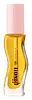 Key Ingredients
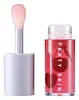
No key ingredients
Benefits
Concerns
Ingredients Side-by-side
Polyglyceryl-2 Isostearate/Dimer Dilinoleate Copolymer
EmollientDilinoleic Acid/Propanediol Copolymer
EmollientVitis Vinifera Seed Oil
Emollient




Carthamus Tinctorius Seed Oil
Masking
Helianthus Annuus Seed Oil
Emollient
Mauritia Flexuosa Fruit Oil
Skin Conditioning

Vaccinium Myrtillus Seed Oil
Skin Conditioning
Mel
EmollientOenothera Biennis Oil
Emollient

Rosa Canina Fruit Oil
Emollient
Tocopherol
Antioxidant




Ethylhexyl Palmitate
Emollient
Trihydroxystearin
Skin Conditioning
Sodium Hyaluronate
Humectant
Glucomannan
Skin ConditioningAroma


Calendula Officinalis Flower Extract
Masking
Daucus Carota Sativa Root Extract
Skin Conditioning
Citrus Aurantium Bergamia Fruit Extract
Skin ConditioningPropolis Cera
AntiseborrhoeicCitronellol
Perfuming

Geraniol
Perfuming
Linalool
Perfuming
Limonene
Perfuming
Citral
Perfuming
Polyglyceryl-2 Isostearate/Dimer Dilinoleate Copolymer, Dilinoleic Acid/Propanediol Copolymer, Vitis Vinifera Seed Oil, Carthamus Tinctorius Seed Oil, Helianthus Annuus Seed Oil, Mauritia Flexuosa Fruit Oil, Vaccinium Myrtillus Seed Oil, Mel, Oenothera Biennis Oil, Rosa Canina Fruit Oil, Tocopherol, Ethylhexyl Palmitate, Trihydroxystearin, Sodium Hyaluronate, Glucomannan, Aroma, Calendula Officinalis Flower Extract, Daucus Carota Sativa Root Extract, Citrus Aurantium Bergamia Fruit Extract, Propolis Cera, Citronellol, Geraniol, Linalool, Limonene, Citral
Polyglyceryl-2 Triisostearate
Emulsifying
Polyglyceryl-2 Isostearate/Dimer Dilinoleate Copolymer
EmollientDiphenyl Dimethicone
Emollient
Silica Dimethyl Silylate
EmollientPrunus Avium Seed Oil
Emollient
Simmondsia Chinensis Seed Oil
Emollient
Dextrin Palmitate
Emulsifying
Rosa Canina Fruit Oil
Emollient
Malpighia Glabra Fruit Extract
Skin ConditioningPrunus Serotina Fruit Extract
MaskingRaphanus Sativus Root Extract
AstringentMaltodextrin
Absorbent
Citric Acid
Buffering
Water
Skin ConditioningBenzyl Alcohol
Perfuming

Benzyl Benzoate
Antimicrobial
Dehydroacetic Acid
Preservative
Butylene Glycol
Humectant
1,2-Hexanediol
Skin Conditioning
Aroma
Polyglyceryl-2 Triisostearate, Polyglyceryl-2 Isostearate/Dimer Dilinoleate Copolymer, Diphenyl Dimethicone, Silica Dimethyl Silylate, Prunus Avium Seed Oil, Simmondsia Chinensis Seed Oil, Dextrin Palmitate, Rosa Canina Fruit Oil, Malpighia Glabra Fruit Extract, Prunus Serotina Fruit Extract, Raphanus Sativus Root Extract, Maltodextrin, Citric Acid, Water, Benzyl Alcohol, Benzyl Benzoate, Dehydroacetic Acid, Butylene Glycol, 1,2-Hexanediol, Aroma
Reviews
Ingredients Explained
These ingredients are found in both products.
Ingredients higher up in an ingredient list are typically present in a larger amount.
Aroma refers to an ingredient, or mixture of ingredients, that impart or mask a flavor.
The name is slightly confusing. This is because INCI associates aroma with flavor instead of smell.
Here is the official definition from the The International Cosmetic Ingredient Dictionary and Handbook:
“Aroma is a term for ingredient labeling used to identify that a product contains a material or combination of materials normally added to a cosmetic to produce or to mask a particular flavor.”
INCI shows the only purpose of aroma to be "flavouring".
However, due to regulation differences, some companies may use aroma in place of parfum.
In Canada, this ingredient only has to be listed in concentrations above 1%.
Learn more about AromaWe don't have a description for Polyglyceryl-2 Isostearate/Dimer Dilinoleate Copolymer yet.
Rosa Canina Fruit Oil is a non-fragrant plant oil that has earned its skincare reputation through chemistry.
It's dominated by fatty acids like linoleic acid (~35-55%), alpha-linolenic acid (~17-27%), and oleic acid (~14-22%). This is the exact profile that supports skin barrier, locks in hydration, and calms inflammation.
A 2024 review found evidence for the Rosa canina species supports its use for scarring, hyperpigmentation, wrinkles, and atopic dermatitis; this was mostly credited to its vitamin C content and fatty acid composition as the primary active mechanisms.
You might see this ingredient marketed as a "natural retinol". Some rosehip seed oils contains traces of all-trans-retinoic acid but these trace amounts are far below biologically active levels.
The Cosmetic Ingredient Review Panel has deemed this ingredient safe and it's well-tolerated.
Fungal acne: The fatty acids of this oil fall into the C11-24 range that Malassezia yeast can metabolize, so this ingredient may not be fungal acne safe.
Learn more about Rosa Canina Fruit Oil

