

What's inside
What's inside
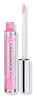 Key Ingredients
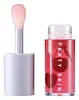
No key ingredients
Benefits
Concerns
Ingredients Side-by-side



Polyglyceryl-2 Triisostearate
Emulsifying

Polyglyceryl-2 Isostearate/Dimer Dilinoleate Copolymer
EmollientDiphenyl Dimethicone
Emollient
Silica Dimethyl Silylate
EmollientPrunus Avium Seed Oil
Emollient


Simmondsia Chinensis Seed Oil
Emollient


Dextrin Palmitate
Emulsifying
Rosa Canina Fruit Oil
Emollient
Malpighia Glabra Fruit Extract
Skin ConditioningPrunus Serotina Fruit Extract
MaskingRaphanus Sativus Root Extract
AstringentMaltodextrin
Absorbent
Citric Acid
Buffering

Water
Skin ConditioningBenzyl Alcohol
Perfuming





Benzyl Benzoate
Antimicrobial
Dehydroacetic Acid
Preservative
Butylene Glycol
Humectant
1,2-Hexanediol
Skin Conditioning
Aroma
Polyglyceryl-2 Triisostearate, Polyglyceryl-2 Isostearate/Dimer Dilinoleate Copolymer, Diphenyl Dimethicone, Silica Dimethyl Silylate, Prunus Avium Seed Oil, Simmondsia Chinensis Seed Oil, Dextrin Palmitate, Rosa Canina Fruit Oil, Malpighia Glabra Fruit Extract, Prunus Serotina Fruit Extract, Raphanus Sativus Root Extract, Maltodextrin, Citric Acid, Water, Benzyl Alcohol, Benzyl Benzoate, Dehydroacetic Acid, Butylene Glycol, 1,2-Hexanediol, Aroma
Reviews
Ingredients Explained
These ingredients are found in both products.
Ingredients higher up in an ingredient list are typically present in a larger amount.
Benzyl Benzoate is usually created from the condensation of benzoic acid and benzyl alcohol. It is used as a preservative, solvent, and has a floral/balsamic scent in large amounts.
As a preservative, Benzyl Benzoate works against bacteria and fungus. It is often used to treat scabies and lice in medicine.
Solvents are used to keep ingredients together in a product. They can help dissolve ingredients to stable bases or help evenly distribute ingredients throughout the product.
Due to its fragrance, Benzyl Benzoate can be sensitizing and may cause contact dermatitis. It is a known EU allergen. We recommend speaking with a professional if you have any concerns.
Benzyl Benzoate can be naturally found in cranberries and peaches.
Learn more about Benzyl BenzoateJojoba oil is one of the most well-studied plant-derived ingredients in cosmetics. It is an emollient with a special structure.
Because it is made up of 97-98% wax esters, it closely mirrors the linear monoesters found in human sebum. This makes it skin compatible, non-greasy, and lightweight.
Unlike other plant oils, jojoba wax doesn't easily penetrate skin. It mostly works in the uppermost layers as an emollient. This just means it forms a light barrier on the skin to help retain moisture.
Formulations with jojoba esters up to 90% reduced transepidermal water loss (TEWL) and increased barrier recovery by 81% (outperforming bisabolol at 47%).
Besides barrier support, the science also suggests jojoba to have anti-inflammatory effects and potential applications for skin infections, aging, and wound healing.
Fun fact: Indigenous cultures have used jojoba as a moisturizer and to help treat burns for centuries.
Fungal acne: The Malassezia yeast is known to metabolize fatty acids in the C11-24 range and jojoba's dominant fatty acid components fall into this range. This ingredient may not be fungal acne safe.
Learn more about Simmondsia Chinensis Seed Oil

