fortify+ Protecting Facial Mist Versus Mario Badescu Facial Spray with Aloe, Sage and Orange Blossom
This barrier-repair toner is formulated around Aloe Barbadensis Leaf Extract and Lactobacillus Ferment to strengthen the skin barrier and calm redness.
This hydrating toner is formulated around Aloe Barbadensis Leaf Juice to hydrate skin and calm redness.

What's inside
What's inside
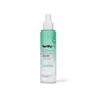 Key Ingredients
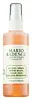
No key ingredients
Benefits
Concerns
Ingredients Side-by-side
Water
Skin ConditioningGlycerin
Humectant


Butylene Glycol
Humectant
Betaine
Humectant
Glycereth-26
Humectant
Zeolite
AbsorbentAloe Barbadensis Leaf Extract
Emollient
Sodium Hyaluronate
Humectant

Momordica Charantia Fruit Extract
Skin ConditioningLactobacillus Ferment
Skin Conditioning
Glycyrrhiza Glabra Root Extract
Bleaching

Psidium Guajava Leaf Extract
AstringentRosa Hybrid Flower Extract
Skin ConditioningCamellia Sinensis Leaf Extract
Antimicrobial


Centella Asiatica Extract
Cleansing
Houttuynia Cordata Extract
Skin Conditioning
Xylitol
Humectant
PEG-60 Hydrogenated Castor Oil
Emulsifying


Citric Acid
Buffering
Sodium Citrate
BufferingEthylhexylglycerin
Skin ConditioningCaprylyl Glycol
Emollient
Hydroxyacetophenone
Antioxidant
Lavandula Angustifolia Oil
Masking



Citrus Grandis Peel Oil
Masking

Citrus Aurantifolia Oil
Cleansing
Citrus Aurantium Dulcis Peel Oil
Masking
Melaleuca Alternifolia Leaf Oil
Antioxidant
Limonene
Perfuming
Water, Glycerin, Butylene Glycol, Betaine, Glycereth-26, Zeolite, Aloe Barbadensis Leaf Extract, Sodium Hyaluronate, Momordica Charantia Fruit Extract, Lactobacillus Ferment, Glycyrrhiza Glabra Root Extract, Psidium Guajava Leaf Extract, Rosa Hybrid Flower Extract, Camellia Sinensis Leaf Extract, Centella Asiatica Extract, Houttuynia Cordata Extract, Xylitol, PEG-60 Hydrogenated Castor Oil, Citric Acid, Sodium Citrate, Ethylhexylglycerin, Caprylyl Glycol, Hydroxyacetophenone, Lavandula Angustifolia Oil, Citrus Grandis Peel Oil, Citrus Aurantifolia Oil, Citrus Aurantium Dulcis Peel Oil, Melaleuca Alternifolia Leaf Oil, Limonene
Water
Skin ConditioningPropylene Glycol
Humectant
Salvia Officinalis Flower/Leaf/Stem Water
Masking
Citrus Aurantium Amara Flower Water
MaskingThymus Vulgaris Leaf Extract
Skin ProtectingSalvia Officinalis Leaf Extract
CleansingAloe Barbadensis Leaf Juice
Skin Conditioning
Fucus Vesiculosus Extract
Emollient
Propanediol
Solvent
Ethylhexylglycerin
Skin ConditioningBenzophenone-4
UV Absorber
Parfum
Masking
Sodium Chloride
MaskingCitric Acid
Buffering
Potassium Sorbate
Preservative
Sodium Benzoate
Masking
Hexyl Cinnamal
Perfuming
Limonene
Perfuming
Linalool
Perfuming
CI 16035
Cosmetic ColorantCI 19140
Cosmetic ColorantCI 15985
Cosmetic ColorantWater, Propylene Glycol, Salvia Officinalis Flower/Leaf/Stem Water, Citrus Aurantium Amara Flower Water, Thymus Vulgaris Leaf Extract, Salvia Officinalis Leaf Extract, Aloe Barbadensis Leaf Juice, Fucus Vesiculosus Extract, Propanediol, Ethylhexylglycerin, Benzophenone-4, Parfum, Sodium Chloride, Citric Acid, Potassium Sorbate, Sodium Benzoate, Hexyl Cinnamal, Limonene, Linalool, CI 16035, CI 19140, CI 15985
Reviews
Ingredients Explained
These ingredients are found in both products.
Ingredients higher up in an ingredient list are typically present in a larger amount.
Citric Acid is an alpha hydroxy acid (AHA) naturally found in citrus fruits like oranges, lemons, and limes.
Like other AHAs, citric acid can exfoliate skin by breaking down the bonds that hold dead skin cells together. This helps reveal smoother and brighter skin underneath.
However, this exfoliating effect only happens at high concentrations (20%) which can be hard to find in cosmetic products.
Due to this, citric acid is usually included in small amounts as a pH adjuster. This helps keep products slightly more acidic and compatible with skin's natural pH.
In skincare formulas, citric acid can:
While it can provide some skin benefits, research shows lactic acid and glycolic acid are generally more effective and less irritating exfoliants.
Most citric acid used in skincare today is made by fermenting sugars (usually from molasses). This synthetic version is identical to the natural citrus form but easier to stabilize and use in formulations.
Rosacea skin has a lower threshold for acids generally, with 62.5% of rosacea subjects in one study reacting to lactic acid in a sting test. This is why we mark citric acid as a potential rosacea trigger.
However, this ingredient shows up as a pH adjuster or chelator at roughly 0.1-1% in many products. These low levels are unlikely to be an issue for rosacea skin and becomes a potential trigger at exfoliating concentrations (20%). Because everybody's skin is unique, we recommend a patch test if you are unsure.
Learn more about Citric AcidEthylhexylglycerin is created from glycerin. It is a multitasker ingredient that:
The CIR Expert Panel found minimal skin absorption or sensitization of any kind in a safety assessment. Though this ingredient is considered well-tolerated, a small number of cases of allergic dermatitis have been published since 2002. Just be sure to patch test if you are unsure.
Industry-reported use ranges from 8% in rinse-off products and 2% in leave-on formulations.
Learn more about EthylhexylglycerinLimonene is a fragrance that adds scent and taste to a formulation.
It's found in the peel oil of citrus fruits and other plants such as lavender and eucalyptus. The scent of limonene is generally described as "sweet citrus".
Limonene acts as an antioxidant, meaning it helps neutralize free radicals.
When exposed to air, oxidized limonene may sensitize the skin. Because of this, limonene is often avoided by people with sensitive skin.
The term 'fragrance' is not regulated in many countries. In many cases, it is up to the brand to define this term. For instance, many brands choose to label themselves as "fragrance-free" because they are not using synthetic fragrances. However, their products may still contain ingredients such as essential oils that are considered a fragrance.
Learn more about LimoneneWater. It's the most common cosmetic ingredient of all. You'll usually see it at the top of ingredient lists, meaning that it makes up the largest part of the product.
So why is it so popular? Water most often acts as a solvent - this means that it helps dissolve other ingredients into the formulation.
You'll also recognize water as that liquid we all need to stay alive. If you see this, drink a glass of water. Remember to stay hydrated!
Learn more about Water

