Flower Knows Butterfly Cloud Collar Embossed Highlight & Contour Palette Versus Judydoll 2 In 1 Highlighter Contour Palette

What's inside
What's inside
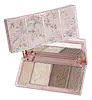 Key Ingredients
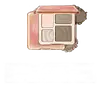
Benefits
Concerns
Ingredients Side-by-side
Synthetic Fluorphlogopite
CI 77891
Cosmetic ColorantPolyethylene
Abrasive

Cetearyl Ethylhexanoate
Emollient

Alumina
Abrasive
Bis-Diglyceryl Polyacyladipate-2
Emollient
Talc
Abrasive
Boron Nitride
Absorbent
Polymethyl Methacrylate
Tin Oxide
Abrasive
Methylparaben
Preservative


CI 77492
Cosmetic ColorantCI 77491
Cosmetic ColorantPropylparaben
Preservative
Parfum
Masking


CI 77499
Cosmetic ColorantMica
Cosmetic ColorantDimethicone
Emollient

Silica
Abrasive
Diphenyl Dimethicone/Vinyl Diphenyl Dimethicone/Silsesquioxane Crosspolymer
Paraffinum Liquidum
Emollient

Petrolatum
Emollient
Methyl Methacrylate Crosspolymer
Magnesium Stearate
Cosmetic ColorantEthylhexyl Palmitate
Emollient
Lauroyl Lysine
Skin Conditioning
Polyglyceryl-2 Diisostearate
Emulsifying
Nylon-12
Sorbitan Isostearate
Emulsifying
Triethoxycaprylylsilane
Aluminum Hydroxide
EmollientCI 77007
Cosmetic ColorantDiisostearyl Malate
EmollientCI 77742
Cosmetic ColorantCI 19140
Cosmetic ColorantOctyldodecyl Stearoyl Stearate
Emollient
Benzotriazolyl Dodecyl P-Cresol
UV AbsorberSynthetic Fluorphlogopite, CI 77891, Polyethylene, Cetearyl Ethylhexanoate, Alumina, Bis-Diglyceryl Polyacyladipate-2, Talc, Boron Nitride, Polymethyl Methacrylate, Tin Oxide, Methylparaben, CI 77492, CI 77491, Propylparaben, Parfum, CI 77499, Mica, Dimethicone, Silica, Diphenyl Dimethicone/Vinyl Diphenyl Dimethicone/Silsesquioxane Crosspolymer, Paraffinum Liquidum, Petrolatum, Methyl Methacrylate Crosspolymer, Magnesium Stearate, Ethylhexyl Palmitate, Lauroyl Lysine, Polyglyceryl-2 Diisostearate, Nylon-12, Sorbitan Isostearate, Triethoxycaprylylsilane, Aluminum Hydroxide, CI 77007, Diisostearyl Malate, CI 77742, CI 19140, Octyldodecyl Stearoyl Stearate, Benzotriazolyl Dodecyl P-Cresol
Synthetic Fluorphlogopite
Talc
Abrasive
Boron Nitride
Absorbent
Mica
Cosmetic ColorantPolyethylene
Abrasive
Dimethicone
Emollient
Cetearyl Ethylhexanoate
Emollient
Trimethylsiloxysilicate
Emollient
Dimethiconol Stearate
EmollientLauroyl Lysine
Skin Conditioning
Hydrogen Dimethicone
Triethoxycaprylylsilane
Sodium Dehydroacetate
Preservative
Caprylyl Glycol
Emollient
Ethylhexylglycerin
Skin ConditioningTocopherol
Antioxidant






CI 77891
Cosmetic ColorantCI 77492
Cosmetic ColorantCI 77491
Cosmetic ColorantSynthetic Fluorphlogopite, Talc, Boron Nitride, Mica, Polyethylene, Dimethicone, Cetearyl Ethylhexanoate, Trimethylsiloxysilicate, Dimethiconol Stearate, Lauroyl Lysine, Hydrogen Dimethicone, Triethoxycaprylylsilane, Sodium Dehydroacetate, Caprylyl Glycol, Ethylhexylglycerin, Tocopherol, CI 77891, CI 77492, CI 77491
Reviews
Ingredients Explained
These ingredients are found in both products.
Ingredients higher up in an ingredient list are typically present in a larger amount.
Boron Nitride is compound consisting of boron and nitrogen. It is used to absorb oil and modify adherence/ slip in products.
This means it is often used in makeup products to help them last longer.
Cetearyl Ethylhexanoate is derived from cetearyl alcohol and sorbic acid.
It is an emollient and helps hydrate the skin. Emollients form a barrier on the skin to prevent water from escaping.
Ci 77491 is also hydrated iron III oxide. It's sole purpose is to give a red/pink hue to products.
Iron III oxides are classified as inorganic chemicals for coloring.
Synthetically created Ci 77491 is considered safer than those naturally found. This is because the synthetically created version may contain less impurities. Iron oxides are generally non-toxic and non-allergenic.
Learn more about CI 77491CI 77492 is also hydrated iron III oxide. It's sole purpose is to give a yellow hue to products.
Iron III oxides are classified as inorganic chemicals for coloring.
Synthetically created CI 77492 is considered safer than those naturally found. This is because the synthetically created version may contain less impurities. Iron oxides are generally non-toxic and non-allergenic.
Learn more about CI 77492Ci 77891 is a white pigment from Titanium dioxide. It is naturally found in minerals such as rutile and ilmenite.
It's main function is to add a white color to cosmetics. It can also be mixed with other colors to create different shades.
Ci 77891 is commonly found in sunscreens due to its ability to block UV rays.
Learn more about CI 77891Dimethicone is a type of synthetic silicone created from natural materials such as quartz. It is also known as polydimethylsiloxane.
What it does:
Dimethicone comes in different viscosities:
Depending on the viscosity, dimethicone has different properties.
Ingredients lists don't always show which type is used, so we recommend reaching out to the brand if you have questions about the viscosity.
This ingredient is unlikely to cause irritation because it does not get absorbed into skin. However, people with silicone allergies should be careful about using this ingredient.
Note: Dimethicone may contribute to pilling. This is because it is not oil or water soluble, so pilling may occur when layered with products. When mixed with heavy oils in a formula, the outcome is also quite greasy.
Learn more about DimethiconeThis ingredient comes from a fatty acid (lauric acid) and amino acid (lysine). It is used to add a silky feel to cosmetics.
According to a manufacturer, its fatty acid base leaves a silky feeling on the skin. It also has emollient properties because of this. Emollients help soften skin by preventing water from evaporating.
Lauroyl lysine is barely soluble in water.
Learn more about Lauroyl LysineMica is a naturally occurring mineral used to add shimmer and color in cosmetics. It can also help improve the texture of a product or give it an opaque, white/silver color.
Serecite is the name for very fine but ragged grains of mica.
This ingredient is often coated with metal oxides like titanium dioxide. Trace amounts of heavy metals may be found in mica, but these metals are not harmful in our personal products.
Mica has been used since prehistoric times throughout the world. Ancient Egyptian, Indian, Greek, Roman, Aztec, and Chinese civilizations have used mica.
Learn more about MicaPolyethylene is a synthetic ingredient that helps the skin retain moisture. It is a polymer.
It is also typically used within product formulations to help bind solid ingredients together and thicken oil-based ingredients. When added to balms and emulsions, it helps increase the melting point temperature.
Synthetic Fluorphlogopite is the synthethic version of mica. It consists of fluorine, aluminum and silicate.
Synthetic Fluorphlogopite is used to add volume to products.
It is considered non-irritating on the skin.
Learn more about Synthetic FluorphlogopiteTalc is a clay mineral. It helps absorb moisture and improve the texture of products. Like other types of clay, Talc can have a slight exfoliating effect on skin. Talc can be added to increase the volume of products.
Some Baby powders are made by combining talc with corn starch. The word "talc" comes from Latin and originates from Arabic. Talc is a mineral commonly found throughout the world.
If you have any concerns about using talc, we recommend checking out the FDA's official page.
Learn more about TalcTriethoxycaprylylsilane is a silicon-based surface modifier that makes sunscreens feel silky and makeup stay put.
Its main job is to coat mineral particles like titanium dioxide, zinc oxide, and color pigments in a thin, oily layer so they spread smoothly, don't clump, and stick to skin better.
This ingredient is typically used at low levels (up to 2.5% in eyeshadow and 1% in lipstick).
Learn more about Triethoxycaprylylsilane

