Finally Found You! The Ultimate Concentrate Vitamin C + Ginseng Versus Azarine Brightening C-Glow Serum
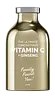
This brightening serum is formulated around Ascorbic Acid and Ferulic Acid to brighten dull-looking skin and fade the look of dark spots.
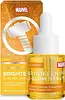
This brightening serum is formulated around Centella Asiatica Extract and Tranexamic Acid to brighten dull-looking skin and fade the look of dark spots.

What's inside
What's inside
 Key Ingredients
Benefits
Concerns
No concerns
Ingredients Side-by-side
Water
Skin ConditioningPropanediol
Solvent

Ascorbic Acid
Antioxidant






2,3-Butanediol
HumectantButylene Glycol
Humectant
Ethoxydiglycol
HumectantGlycerin
Humectant
1,2-Hexanediol
Skin Conditioning
Methyl Gluceth-20
Humectant
PPG-13-Decyltetradeceth-24
EmulsifyingGlucosylrutin
Antioxidant
Xanthan Gum
EmulsifyingFerulic Acid
Antimicrobial
Tromethamine
BufferingCitric Acid
Buffering

Hydrolyzed Sponge
Skin ConditioningSodium Phytate
ChelatingTocopherol
Antioxidant

Sodium Polyacryloyldimethyl Taurate
Emulsion StabilisingSodium Metabisulfite
Antioxidant
Ethylhexylglycerin
Skin ConditioningMelia Azadirachta Flower Extract
Skin ConditioningOcimum Sanctum Leaf Extract
Skin ConditioningGlyceryl Acrylate/Acrylic Acid Copolymer
HumectantMelia Azadirachta Leaf Extract
Skin ConditioningDextrin
AbsorbentTheobroma Cacao Extract
Skin ConditioningSodium Citrate
BufferingDipropylene Glycol
HumectantCurcuma Longa Root Extract
Antioxidant
Corallina Officinalis Extract
Skin Conditioning

Polyquaternium-51
Skin Conditioning
Pvm/Ma Copolymer
Emulsion StabilisingCyanocobalamin
Skin ConditioningEthyl Hexanediol
SolventResveratrol
Antioxidant
Solanum Lycopersicum Fruit Extract
Antioxidant
Panax Ginseng Root Extract
Emollient
Water, Propanediol, Ascorbic Acid, 2,3-Butanediol, Butylene Glycol, Ethoxydiglycol, Glycerin, 1,2-Hexanediol, Methyl Gluceth-20, PPG-13-Decyltetradeceth-24, Glucosylrutin, Xanthan Gum, Ferulic Acid, Tromethamine, Citric Acid, Hydrolyzed Sponge, Sodium Phytate, Tocopherol, Sodium Polyacryloyldimethyl Taurate, Sodium Metabisulfite, Ethylhexylglycerin, Melia Azadirachta Flower Extract, Ocimum Sanctum Leaf Extract, Glyceryl Acrylate/Acrylic Acid Copolymer, Melia Azadirachta Leaf Extract, Dextrin, Theobroma Cacao Extract, Sodium Citrate, Dipropylene Glycol, Curcuma Longa Root Extract, Corallina Officinalis Extract, Polyquaternium-51, Pvm/Ma Copolymer, Cyanocobalamin, Ethyl Hexanediol, Resveratrol, Solanum Lycopersicum Fruit Extract, Panax Ginseng Root Extract
Water
Skin ConditioningGlycerin
Humectant
Centella Asiatica Extract
Cleansing
Terminalia Ferdinandiana Fruit Extract
Antioxidant
Tranexamic Acid
Astringent
Tocopheryl Acetate
Antioxidant
Allantoin
Skin Conditioning
Resveratrol
Antioxidant
Ferulic Acid
Antimicrobial
Chlorphenesin
Antimicrobial
Xanthan Gum
EmulsifyingPhenoxyethanol
Preservative
Ascorbic Acid
Antioxidant
Citric Acid
Buffering
Rumex Occidentalis Extract
Skin ConditioningSodium Ascorbyl Phosphate
Antioxidant
Propanediol
Solvent
Reviews
Ingredients Explained
These ingredients are found in both products.
Ingredients higher up in an ingredient list are typically present in a larger amount.
Ascorbic Acid is is pure Vitamin C and is the biologically active form used directly by skin.
Not only is vitamin C great for your overall health and immune system, but it also has plenty of benefits for your skin. It is best supported by academic literature for:
Topical vitamin C has been shown to help neutralize oxidative stress from UV and pollution, helping to improve photoaging and hyperpigmentation when used consistently.
One clinical study found that using 5% topical vitamin C for six months improved signs of photodamaged skin, both on the surface and in the deeper structural layers of the skin.
While vitamin C doesn’t replace sunscreen, studies show it can boost photoprotection when combined with Vitamin E and ferulic acid. These two ingredients help improve stability and protective effects.
The big downside of this ingredient is formulation difficulty. Vitamin C is prone to oxidation and doesn't penetrate the skin unless formulated correctly. Research found that vitamin C absorbs into the skin best at a low pH (< 3.5) with about 20% being the upper limit for effective absorption.
Skin levels can saturate after repeated application; this means your skin won’t keep absorbing more once it’s full of vitamin C. This is why more isn’t always better with vitamin C and why very high concentrations don’t necessarily give extra benefits.
Ascorbic acid generally works well with many skincare ingredients but can be irritating when combined with other active ingredients. Strong oxidizing acne treatments like benzoyl peroxide can reduce the effectiveness of vitamin C if they are used at the same time; they are often recommended for use at different times of day.
Read more about other types of Vitamin C:
Foods rich with vitamin C include oranges, strawberries, broccoli, bell peppers, and more. When consuming Vitamin C, your skin receives a portion of the nutrients.
Learn more about Ascorbic AcidCitric Acid is an alpha hydroxy acid (AHA) naturally found in citrus fruits like oranges, lemons, and limes.
Like other AHAs, citric acid can exfoliate skin by breaking down the bonds that hold dead skin cells together. This helps reveal smoother and brighter skin underneath.
However, this exfoliating effect only happens at high concentrations (20%) which can be hard to find in cosmetic products.
Due to this, citric acid is usually included in small amounts as a pH adjuster. This helps keep products slightly more acidic and compatible with skin's natural pH.
In skincare formulas, citric acid can:
While it can provide some skin benefits, research shows lactic acid and glycolic acid are generally more effective and less irritating exfoliants.
Most citric acid used in skincare today is made by fermenting sugars (usually from molasses). This synthetic version is identical to the natural citrus form but easier to stabilize and use in formulations.
Rosacea skin has a lower threshold for acids generally, with 62.5% of rosacea subjects in one study reacting to lactic acid in a sting test. This is why we mark citric acid as a potential rosacea trigger.
However, this ingredient shows up as a pH adjuster or chelator at roughly 0.1-1% in many products. These low levels are unlikely to be an issue for rosacea skin and becomes a potential trigger at exfoliating concentrations (20%). Because everybody's skin is unique, we recommend a patch test if you are unsure.
Learn more about Citric AcidFerulic Acid is a plant based antioxidant that can be naturally found in the cell walls of grains like rice, oats, and corn. It has antioxidant and antimicrobial properties, and has the ability to boost the performance of other antioxidants as well.
A well-known study found that adding Ferulic Acid to a solution of Vitamins C and E doubled the photoprotection of skin. This is why you'll often see it paired with Vitamin C or Vitamin E serums rather than sold on its own.
A 2025 review of 18 human studies found that using Ferulic Acid (0.5-1%) daily for one to three months showed improvements in:
As far as allergies go, Ferulic acid is generally well-tolerated but can cause an allergic reaction in very rare cases. It's also worth noting that Ferulic acid is often extracted from plant sources like rice bran or wheat bran, so be sure to path test if you have known grain allergies.
Outside of skincare, researchers are also looking into Ferulic Acid for its potential benefits in areas like diabetes, Alzheimer's, and heart health.
Learn more about Ferulic AcidGlycerin (or glycerol) is a compound naturally found in your skin. It's a powerhouse humectant that pulls water into the stratum corneum.
Topically, glycerin does several things at once:
Your skin makes glycerin on its own (mostly from sebaceous oil breakdown) and shuttles it to your outermost layer of skin, or your epidermis, via aquaporin-3.
Aquaporin-3 is a transporter that is essential for normal skin hydration, elasticity, and repair. Interestingly, mice lacking in AQP3 have dry and less elastic skin that can be fully corrected with glycerin.
This ingredient is non-irritating, plays well with almost every ingredient, and works across all skin types. Typical use is anywhere between 3-10% but can go up to 79% in some leave-on products.
Just know very high concentrations (>40%) can feel tacky in low humidity.
Glycerin is the name for this ingredient in American English. British English uses Glycerol/Glycerine.
Learn more about GlycerinPropanediol is an all-star ingredient. It softens, hydrates, and smooths the skin.
It’s often used to:
Propanediol is not likely to cause sensitivity and considered safe to use. It is derived from corn or petroleum with a clear color and no scent.
Learn more about PropanediolResveratrol is a well-studied polyphenol antioxidant that has gained attention in skincare for its protective and calming effects on the skin. It’s often considered a gentler option for people who can’t tolerate retinoids.
This antioxidant is best known for its anti-aging benefits. Research suggests resveratrol helps combat visible signs of aging by:
Beyond anti-aging, resveratrol is also valued for its skin-brightening and soothing properties.
Some forms of resveratrol appear to be more effective than others. Resveratrol isobutyrate and resveratrol butyrate are often cited as more stable derivatives.
Research also suggests these two forms have stronger effects on Type I collagen stimulation and inflammation reduction compared to basic resveratrol.
Resveratrol is naturally unstable and can degrade when exposed to light and oxygen. Well-designed products often use stabilized derivatives, airless or opaque packaging, and supporting antioxidants to help maintain effectiveness on skin.
A note on resveratrol as a retinoid alternative:
While resveratrol offers antioxidant protection, inflammation control, and some collagen-supporting benefits, it does not replace retinoids in terms of cell turnover or acne treatment.
However, it can be a useful option for people with retinoid sensitivity or intolerance, or for those looking to support skin health without irritation.
Fun fact: Resveratrol is naturally found in grapes, peanuts, and berries, which is why it’s frequently associated with wine and grape-derived skincare ingredients.
Learn more about ResveratrolWater. It's the most common cosmetic ingredient of all. You'll usually see it at the top of ingredient lists, meaning that it makes up the largest part of the product.
So why is it so popular? Water most often acts as a solvent - this means that it helps dissolve other ingredients into the formulation.
You'll also recognize water as that liquid we all need to stay alive. If you see this, drink a glass of water. Remember to stay hydrated!
Learn more about WaterXanthan gum is used as a stabilizer and thickener within cosmetic products. It helps give products a sticky, thick feeling - preventing them from being too runny.
On the technical side of things, xanthan gum is a polysaccharide - a combination consisting of multiple sugar molecules bonded together.
Xanthan gum is a pretty common and great ingredient. It is a natural, non-toxic, non-irritating ingredient that is also commonly used in food products.
Learn more about Xanthan Gum

