

What's inside
What's inside
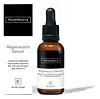 Key Ingredients
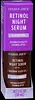
Benefits
Concerns
Ingredients Side-by-side
Water
Skin ConditioningPropanediol
Solvent

Glycerin
Humectant
Polyglyceryl-4 Oleate
Emulsifying
Retinyl Palmitate
Skin Conditioning


Sodium Ascorbyl Phosphate
Antioxidant




Polyglyceryl-6 Stearate
Emollient
Tocopherol
Antioxidant

Sodium Anisate
AntimicrobialSodium Levulinate
Skin ConditioningGlyceryl Caprylate
EmollientAnethum Graveolens Herb Extract
Perfuming
Glycyrrhiza Glabra Root Extract
Bleaching
Cetyl Hydroxyethylcellulose
Emulsion StabilisingLactic Acid
Buffering



Polyglyceryl-6 Behenate
Emulsion Stabilising
Ferulic Acid
Antimicrobial
Xanthan Gum
EmulsifyingSalicylic Acid
Masking



Sodium Hyaluronate
Humectant
Aloe Barbadensis Leaf Juice
Skin Conditioning
Citric Acid
Buffering
Potassium Sorbate
Preservative
Water, Propanediol, Glycerin, Polyglyceryl-4 Oleate, Retinyl Palmitate, Sodium Ascorbyl Phosphate, Polyglyceryl-6 Stearate, Tocopherol, Sodium Anisate, Sodium Levulinate, Glyceryl Caprylate, Anethum Graveolens Herb Extract, Glycyrrhiza Glabra Root Extract, Cetyl Hydroxyethylcellulose, Lactic Acid, Polyglyceryl-6 Behenate, Ferulic Acid, Xanthan Gum, Salicylic Acid, Sodium Hyaluronate, Aloe Barbadensis Leaf Juice, Citric Acid, Potassium Sorbate
Water
Skin ConditioningPropanediol
Solvent
Caprylic/Capric Triglyceride
Masking
Polyglyceryl-4 Laurate/Succinate
Sorbitan Oleate
Emulsifying
Sodium Ascorbate
Antioxidant
Tocopherol
Antioxidant
Sodium Hyaluronate
Humectant
Phenoxyethanol
Preservative
Ammonium Acryloyldimethyltaurate/Vp Copolymer
Retinol
Skin Conditioning
Ethylhexylglycerin
Skin ConditioningCitric Acid
Buffering
Adansonia Digitata Seed Oil
Emollient
Phospholipids
Skin Conditioning
Retinyl Palmitate
Skin Conditioning
Tocopheryl Acetate
Antioxidant
Ascorbyl Palmitate
Antioxidant
Salicylic Acid
Masking
Sorbic Acid
Preservative
Water, Propanediol, Caprylic/Capric Triglyceride, Polyglyceryl-4 Laurate/Succinate, Sorbitan Oleate, Sodium Ascorbate, Tocopherol, Sodium Hyaluronate, Phenoxyethanol, Ammonium Acryloyldimethyltaurate/Vp Copolymer, Retinol, Ethylhexylglycerin, Citric Acid, Adansonia Digitata Seed Oil, Phospholipids, Retinyl Palmitate, Tocopheryl Acetate, Ascorbyl Palmitate, Salicylic Acid, Sorbic Acid
Ingredients Explained
These ingredients are found in both products.
Ingredients higher up in an ingredient list are typically present in a larger amount.
Citric Acid is an alpha hydroxy acid (AHA) naturally found in citrus fruits like oranges, lemons, and limes.
Like other AHAs, citric acid can exfoliate skin by breaking down the bonds that hold dead skin cells together. This helps reveal smoother and brighter skin underneath.
However, this exfoliating effect only happens at high concentrations (20%) which can be hard to find in cosmetic products.
Due to this, citric acid is usually included in small amounts as a pH adjuster. This helps keep products slightly more acidic and compatible with skin's natural pH.
In skincare formulas, citric acid can:
While it can provide some skin benefits, research shows lactic acid and glycolic acid are generally more effective and less irritating exfoliants.
Most citric acid used in skincare today is made by fermenting sugars (usually from molasses). This synthetic version is identical to the natural citrus form but easier to stabilize and use in formulations.
Read more about some other popular AHA's here:
Learn more about Citric AcidPropanediol is an all-star ingredient. It softens, hydrates, and smooths the skin.
It’s often used to:
Propanediol is not likely to cause sensitivity and considered safe to use. It is derived from corn or petroleum with a clear color and no scent.
Learn more about PropanediolRetinyl palmitate is a form of retinoid. Retinoids are the superstar class of anti-aging ingredients that include tretinoin and retinol.
This particular ingredient has had a bumpy year with its rise and fall in popularity.
First, Retinyl palmitate is created from palmitic acid and retinol. It is a retinol ester and considered one of the weaker forms of retinoid.
This is because all retinoids have to be converted to Tretinoin, AKA retinoic acid. Retinyl Palmitate is pretty far down the line and has to go through multiple conversions before its effects are seen.
Due to this long and ineffective conversion line, the benefits of Retinyl Palmitate are debated.
Studies show Retinyl Palmitate to help:
Dermatologists say this ingredient is ineffective because it isn't used in high enough concentrations in cosmetics.
This ingredient used to be found in sunscreens to boost the efficacy of sunscreen filters.
The downfall of Retinyl Palmitate was due to released reports about the ingredient being correlated to sun damage and skin tumors.
While there is a study showing this ingredient to cause DNA damage when exposed to UV-A, there is no concrete proof of it being linked to skin cancer. It is safe to use when used correctly.
All retinoids increase your skin's sensitivity to the sun in the first few months of usage. Be especially careful with reapplying sunscreen when using any form of retinoid.
Currently, this ingredient is still allowed in cosmetics all over the world. In Canada, cosmetics must have a warning label stating the product to contain Retinyl Palmitate
Fun fact: This ingredient is often added to low-fat milk to increase the levels of Vitamin A.
Learn more about Retinyl PalmitateSalicylic Acid (also known as beta hydroxy acid or BHA) is a well-known ingredient for treating skin that struggles with acne and clogged pores. It exfoliates both the skin's surface and deep within the pores to help clear out buildup, control oil, and reduce inflammation.
Unlike AHAs (alpha hydroxy acids), salicylic acid is oil-soluble. This allows it to penetrate into pores which makes it especially effective for treating blackheads and preventing future breakouts.
Salicylic acid is also known for its soothing properties. It has a similar structure to aspirin and can calm inflamed or irritated skin, making it a good option for acne-prone skin that is also sensitive.
Concentrations of 0.5-2% are recognized by the U.S. FDA as an over-the-counter topical acne product.
It can cause irritation and/or dryness if one's skin already has a compromised moisture barrier, so it's best to focus on repairing that before introducing this ingredient into your routine.
While salicylic acid does not increase sun sensitivity, it’s still important to wear sunscreen daily to protect your skin.
If you are looking for the ingredient called BHA or Butylated Hydroxyanisole, click here.
Learn more about Salicylic AcidSodium Hyaluronate is the salt form of hyaluronic acid. It is a long sugar chain that is naturally found in your skin, joints, and connective tissue that maintains hydration and elasticity.
In skincare, it works as a humectant. It pulls water from the environment and deeper layers of skin and binds it to the surface.
Interestingly, the size of the molecule affects its behavior:
Some clinical evidence links low molecular weight versions to improved wrinkle depth, elasticity, anti-inflammatory effects, and barrier repair.
Many serums use a blend of both weights so you can get surface hydration plus longer-lasting and deeper effects.
You'll typically see concentrations between 0.1-2% for this ingredient.
Learn more about Sodium HyaluronateTocopherol is a fat-soluble antioxidant known as Vitamin E.
You'll find this ingredient in the vast majority of skincare (for good reason). It works to neutralize free radicals, or unstable molecules generated by UV exposure, pollution, and other environmental stressors, before they can cause oxidative damage to your skin cells.
Topically applied tocopherol has been shown to protect against UV damage by ramping up the skin's own natural defense enzymes.
It also acts as a skin conditioning agent; some studies show that regular topical use can improve the skin's water-binding capacity over 2-4 weeks.
This ingredient is especially loved for being a team player. When combined with Vitamin C, the photoprotective effect of both ingredients roughly doubles and the combo also helps reduce UV-induced DNA damage.
This ingredient has some brightening potential but it's more of a prevention ingredient than spot-fader. Cell studies show it can slow down melanin production but it's worth noting that it's not the most powerful brightener out there.
In formulations, it also serves as a stabilizer that helps protect other oxidation-prone ingredients from degrading.
Concentrations usually range from 0.1-1% in most leave-on products.
Learn more about TocopherolWater. It's the most common cosmetic ingredient of all. You'll usually see it at the top of ingredient lists, meaning that it makes up the largest part of the product.
So why is it so popular? Water most often acts as a solvent - this means that it helps dissolve other ingredients into the formulation.
You'll also recognize water as that liquid we all need to stay alive. If you see this, drink a glass of water. Remember to stay hydrated!
Learn more about Water
