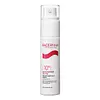
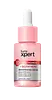
Facerinna 10% Niacinamade 3% TXA Bright Dark Spot Serum Versus Lumi Xpert 10% Niacinamide + Glutathione Brightening Serum
This brightening serum is formulated around Niacinamide and Tranexamic Acid to fade the look of dark spots and brighten dull-looking skin.
This brightening serum is formulated around Niacinamide and Glutathione to brighten dull-looking skin and fade the look of dark spots.


What's inside
What's inside
 Key Ingredients
Benefits
Concerns
Ingredients Side-by-side
Water
Skin ConditioningNiacinamide
Smoothing











Propylene Glycol
Humectant


Butylene Glycol
Humectant
Glycerin
Humectant
Pentylene Glycol
Skin Conditioning
Tranexamic Acid
Astringent
Panthenol
Skin Conditioning
Dimethicone
Emollient
1,2-Hexanediol
Skin Conditioning
Diethoxyethyl Succinate
SolventTrisiloxane
Skin Conditioning
Polyglyceryl-10 Myristate
Skin Conditioning
Diglycerin
Humectant
Polyacrylate Crosspolymer-6
Emulsion StabilisingAcrylates/C10-30 Alkyl Acrylate Crosspolymer
Emulsion StabilisingLactobacillus/Soymilk Ferment Filtrate
Skin ConditioningCarbomer
Emulsion StabilisingDipropylene Glycol
HumectantDisodium EDTA
ChelatingXanthan Gum
EmulsifyingArginine
Masking
Sodium Stearoyl Glutamate
CleansingHydroxyacetophenone
Antioxidant
Phenoxyethanol
Preservative
Caprylyl Glycol
Emollient
Ethylhexylglycerin
Skin ConditioningStephania Tetrandra Root Extract
Skin ConditioningGentiana Scabra Extract
HumectantWater, Niacinamide, Propylene Glycol, Butylene Glycol, Glycerin, Pentylene Glycol, Tranexamic Acid, Panthenol, Dimethicone, 1,2-Hexanediol, Diethoxyethyl Succinate, Trisiloxane, Polyglyceryl-10 Myristate, Diglycerin, Polyacrylate Crosspolymer-6, Acrylates/C10-30 Alkyl Acrylate Crosspolymer, Lactobacillus/Soymilk Ferment Filtrate, Carbomer, Dipropylene Glycol, Disodium EDTA, Xanthan Gum, Arginine, Sodium Stearoyl Glutamate, Hydroxyacetophenone, Phenoxyethanol, Caprylyl Glycol, Ethylhexylglycerin, Stephania Tetrandra Root Extract, Gentiana Scabra Extract
Water
Skin ConditioningNiacinamide
Smoothing
Butylene Glycol
Humectant
Propylene Glycol
Humectant
Dipropylene Glycol
HumectantGlutathione
Caprylic/Capric Triglyceride
Masking
Simmondsia Chinensis Seed Oil
Emollient
1,2-Hexanediol
Skin Conditioning
Dimethicone
Emollient
Hydroxyacetophenone
Antioxidant
Polyglyceryl-10 Myristate
Skin Conditioning
Trisiloxane
Skin Conditioning
Glycerin
Humectant
Polyacrylate Crosspolymer-6
Emulsion StabilisingSodium Acrylates Copolymer
Xanthan Gum
EmulsifyingLecithin
Emollient
Polyglyceryl-10 Laurate
Skin Conditioning
Disodium EDTA
ChelatingDiethylhexyl Syringylidenemalonate
Skin Protecting
Tocopherol
Antioxidant
Sodium Lauroyl Lactylate
EmulsifyingLauric Acid
Cleansing

Ethylhexylglycerin
Skin ConditioningCI 16255
Cosmetic ColorantCI 19140
Cosmetic ColorantWater, Niacinamide, Butylene Glycol, Propylene Glycol, Dipropylene Glycol, Glutathione, Caprylic/Capric Triglyceride, Simmondsia Chinensis Seed Oil, 1,2-Hexanediol, Dimethicone, Hydroxyacetophenone, Polyglyceryl-10 Myristate, Trisiloxane, Glycerin, Polyacrylate Crosspolymer-6, Sodium Acrylates Copolymer, Xanthan Gum, Lecithin, Polyglyceryl-10 Laurate, Disodium EDTA, Diethylhexyl Syringylidenemalonate, Tocopherol, Sodium Lauroyl Lactylate, Lauric Acid, Ethylhexylglycerin, CI 16255, CI 19140
Ingredients Explained
These ingredients are found in both products.
Ingredients higher up in an ingredient list are typically present in a larger amount.
1,2-Hexanediol is a synthetic liquid and another multi-functional powerhouse.
It is a:
- Humectant, drawing moisture into the skin
- Emollient, helping to soften skin
- Solvent, dispersing and stabilizing formulas
- Preservative booster, enhancing the antimicrobial activity of other preservatives
Butylene Glycol (or BG) is used within cosmetic products for a few different reasons:
Overall, Butylene Glycol is a safe and well-rounded ingredient that works well with other ingredients.
Though this ingredient works well with most skin types, some people with sensitive skin may experience a reaction such as allergic rashes, closed comedones, or itchiness.
Learn more about Butylene GlycolDimethicone is a type of synthetic silicone created from natural materials such as quartz. It is also known as polydimethylsiloxane.
What it does:
Dimethicone comes in different viscosities:
Depending on the viscosity, dimethicone has different properties.
Ingredients lists don't always show which type is used, so we recommend reaching out to the brand if you have questions about the viscosity.
This ingredient is unlikely to cause irritation because it does not get absorbed into skin. However, people with silicone allergies should be careful about using this ingredient.
Note: Dimethicone may contribute to pilling. This is because it is not oil or water soluble, so pilling may occur when layered with products. When mixed with heavy oils in a formula, the outcome is also quite greasy.
Learn more about DimethiconeDipropylene Glycol is a synthetically created humectant, stabilizer, and solvent.
This ingredient helps:
Dipropylene glycol is technically an alcohol, but it belongs to the glycol family (often considered part of the ‘good’ alcohols). This means it is hydrating and gentle on skin unlike drying solvent alcohols like denatured alcohol.
As a masking agent, Dipropylene Glycol can be used to cover the smell of other ingredients. However, it does not have a scent.
Studies show Dipropylene Glycol is considered safe to use in skincare.
Learn more about Dipropylene GlycolDisodium EDTA is a chelating agent. It grabs onto and deactivates metal ions that sneak into your products from water, packaging, or air.
This ingredient mainly works behind the scenes and helps with:
On top of that, this ingredient can counteract the effects of hard water by binding to the minerals in it.
One thing worth knowing is that Disodium EDTA has been shown to be a mild penetration enhancer. It can help other ingredients absorb into skin more effectively which can be a double-edged sword (great for actives, but can also make the active too strong if you have sensitive skin).
Clinical patch testing showed no significant skin irritation at typical use concentrations and minimal dermal absorption.
You'll most likely see this ingredient near the end of an ingredient list. It's typically found in concentrations less than 1%.
Learn more about Disodium EDTAEthylhexylglycerin is created from glycerin. It is a multitasker ingredient that:
The CIR Expert Panel found minimal skin absorption or sensitization of any kind in a safety assessment. Though this ingredient is considered well-tolerated, a small number of cases of allergic dermatitis have been published since 2002. Just be sure to patch test if you are unsure.
Industry-reported use ranges from 8% in rinse-off products and 2% in leave-on formulations.
Learn more about EthylhexylglycerinGlycerin (or glycerol) is a compound naturally found in your skin. It's a powerhouse humectant that pulls water into the stratum corneum.
Topically, glycerin does several things at once:
Your skin makes glycerin on its own (mostly from sebaceous oil breakdown) and shuttles it to your outermost layer of skin, or your epidermis, via aquaporin-3.
Aquaporin-3 is a transporter that is essential for normal skin hydration, elasticity, and repair. Interestingly, mice lacking in AQP3 have dry and less elastic skin that can be fully corrected with glycerin.
This ingredient is non-irritating, plays well with almost every ingredient, and works across all skin types. Typical use is anywhere between 3-10% but can go up to 79% in some leave-on products.
Just know very high concentrations (>40%) can feel tacky in low humidity.
Glycerin is the name for this ingredient in American English. British English uses Glycerol/Glycerine.
Learn more about GlycerinHydroxyacetophenone is a small phenolic molecule that earns its place in a formulas as an antioxidant and preservative booster.
As a phenol, it is able to neutralize free radicals to protect both the product and the skin from oxidative stress.
Though it can't kill microbes on its own, it works as a good supporting agent when combined with other preservatives like Phenoxyethanol or 1,2-Hexanediol.
This ingredient naturally occurs as piceol in Norwegian spruce needles (~0.4-1.1% dry weight and in cloudberries). Though the cosmetic-grade material is synthesized for purity and consistency.
You'll usually see it used at low levels and suppliers recommend up to 1% added to a water phase.
Safety testing was done at concentrations like 0.05% in SPF products and 0.5% in a Human Repeated Insult Patch Test. The safety evidence is assuring; this ingredient is safe for cosmetics in current use and also holds safety status as a food flavoring as well.
An honest caveat: the "soothing" and "anti-inflammatory" claims come mostly from supplier marketing rather than published clinical trials. The Cosmetic Ingredient Review's own literature search found no useful efficacy studies on this ingredient.
So the antioxidant and preservative-boosting roles are the well supported ones while the calming benefit is plausible but thinly evidenced.
Overall, this is a well-tolerated, low-irritation multitasker that quietly helps a formula stay fresh and stable.
Learn more about HydroxyacetophenoneNiacinamide is a multitasking form of vitamin B3 that strengthens the skin barrier, reduces pores and dark spots, regulates oil, and improves signs of aging.
And the best part? It's gentle and well-tolerated by most skin types, including sensitive and reactive skin.
You might have heard of "niacin flush", or the reddening of skin that causes itchiness. Niacinamide has not been found to cause this.
In very rare cases, some individuals may not be able to tolerate niacinamide at all or experience an allergic reaction to it.
If you are experiencing flaking, irritation, and dryness with this ingredient, be sure to double check all your products as this ingredient can be found in all categories of skincare.
When incorporating niacinamide into your routine, look out for concentration amounts. Typically, 5% niacinamide provides benefits such as fading dark spots. However, if you have sensitive skin, it is better to begin with a smaller concentration.
When you apply niacinamide to your skin, your body converts it into nicotinamide adenine dinucleotide (NAD). NAD is an essential coenzyme that is already found in your cells as "fuel" and powers countless biological processes.
In your skin, NAD helps repair cell damage, produce new healthy cells, support collagen production, strengthen the skin barrier, and fight environmental stressors (like UV and pollution).
Our natural NAD levels start to decline with age, leading to slower skin repair, visible aging, and a weaker skin barrier. By providing your skin niacinamide, you're recharging your skin's NAD levels. This leads to stronger, healthier, and younger looking skin.
Another name for vitamin B3 is nicotinamide. This vitamin is water-soluble and our bodies don't store it. We obtain Vitamin B3 from either food or skincare. Meat, fish, wheat, yeast, and leafy greens contain vitamin B3.
The type of niacinamide used in skincare is synthetically created.
Learn more about NiacinamidePolyacrylate Crosspolymer-6 is a texture enhancer and pH adjuster.
It is be used to thicken water-based products and create a gel-texture with a velvet feel.
One manufacturer claims this ingredient to have a pH range of 2-8 and to be biodegradable.
This ingredient is also known as Sepimax Zen.
Learn more about Polyacrylate Crosspolymer-6Polyglyceryl-10 Myristate is a nonionic emulsifier and skin conditioner made from Polyglycerin-10 and Myristic Acid.
As a skin conditioning agent, this ingredient leaves skin feeling soft without a greasy finish. As an emulsifier, it helps stabilize oil-in-water emulsions.
You'll likely see this ingredient in "clean" formulations because it's considered a natural alternative to PEGs.
Patch testing at concentration 0.1-1% showed no reactions and this ingredient is considered to be well-tolerated across skin types.
Due to its myristic acid base, this ingredient may not be fungal acne safe.
Learn more about Polyglyceryl-10 MyristatePropylene Glycol is a synthetic, colorless, odorless liquid that has been a staple in cosmetics for decades. It is a skin conditioning agent, humectant, and solvent.
As a humectant, it draw water to the skin to reduce flaking and restore suppleness. It's also a solvent that helps dissolve other actives and keeps formulas stable across temperature changes.
The CIR Expert Panel has confirmed this ingredient to be nontoxic and clinical studies show no sensitization at cosmetic use concentrations.
True allergic reactions are quite rare: a 15-year retrospective study of 6,751 patients found only 0.31% had a positive reaction (and less than half were considered clinically relevant).
It seemed that when sensitization does occur, it's most commonly linked to topical medication (like corticosteroids) and not cosmetics. Allergic contact dermatitis also appears largely limited to individuals with underlying skin conditions.
Overall, propylene glycol is a well-studied ingredient that most people can tolerate without issue.
Learn more about Propylene GlycolTrisiloxane is a type of silicone.
Water. It's the most common cosmetic ingredient of all. You'll usually see it at the top of ingredient lists, meaning that it makes up the largest part of the product.
So why is it so popular? Water most often acts as a solvent - this means that it helps dissolve other ingredients into the formulation.
You'll also recognize water as that liquid we all need to stay alive. If you see this, drink a glass of water. Remember to stay hydrated!
Learn more about WaterXanthan gum is used as a stabilizer and thickener within cosmetic products. It helps give products a sticky, thick feeling - preventing them from being too runny.
On the technical side of things, xanthan gum is a polysaccharide - a combination consisting of multiple sugar molecules bonded together.
Xanthan gum is a pretty common and great ingredient. It is a natural, non-toxic, non-irritating ingredient that is also commonly used in food products.
Learn more about Xanthan Gum

