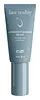
This anti-aging serum is formulated around Palmitoyl Tripeptide-38 to soften the look of wrinkles and refine skin texture.
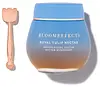
This hydrating serum is formulated around Panthenol and 3-O-Ethyl Ascorbic Acid to hydrate skin and strengthen the skin barrier.


What's inside
What's inside
 Key Ingredients
Benefits
Concerns
Ingredients Side-by-side
Water
Skin ConditioningGlycerin
Humectant


Caprylic/Capric Triglyceride
Masking
Phenoxyethanol
Preservative
Sclerotium Gum
Emulsion StabilisingXanthan Gum
EmulsifyingPolyglyceryl-4 Caprate
EmulsifyingBenzyl Alcohol
Perfuming





Sodium Gluconate
Skin ConditioningCaprylhydroxamic Acid
Ethylhexylglycerin
Skin ConditioningAcetyl Tributyl Citrate
Masking
Methylglucoside Phosphate
Skin ConditioningCopper Lysinate/Prolinate
Skin ConditioningHydroxypropyl Cyclodextrin
MaskingPichia/Resveratrol Ferment Extract
Skin ConditioningPalmitoyl Tripeptide-38
Skin Conditioning


Phenyl T-Butylnitrone
Antioxidant
Water, Glycerin, Caprylic/Capric Triglyceride, Phenoxyethanol, Sclerotium Gum, Xanthan Gum, Polyglyceryl-4 Caprate, Benzyl Alcohol, Sodium Gluconate, Caprylhydroxamic Acid, Ethylhexylglycerin, Acetyl Tributyl Citrate, Methylglucoside Phosphate, Copper Lysinate/Prolinate, Hydroxypropyl Cyclodextrin, Pichia/Resveratrol Ferment Extract, Palmitoyl Tripeptide-38, Phenyl T-Butylnitrone
Glycerin
Humectant
Propanediol
Solvent
Caprylic/Capric Triglyceride
Masking
Sodium Acrylates Copolymer
Hydrogenated Polyisobutene
EmollientWater
Skin ConditioningPanthenol
Skin Conditioning

Phospholipids
Skin Conditioning
Leuconostoc/Radish Root Ferment Filtrate
Antimicrobial

Helianthus Annuus Seed Oil
Emollient
Polyglyceryl-10 Stearate
Skin Conditioning
3-O-Ethyl Ascorbic Acid
Skin Conditioning


Isosorbide Dicaprylate
Skin ConditioningBenzyl Alcohol
Perfuming
Cocodimonium Hydroxypropyl Silk Amino Acids
Skin ConditioningMarrubium Vulgare Meristem Cell Culture
Skin ProtectingButylene Glycol
Humectant
Caprylhydroxamic Acid
Hydrolyzed Verbascum Thapsus Flower
Antioxidant
Avena Sativa Meristem Cell Extract
HumectantSodium Gluconate
Skin ConditioningSodium Lactate
Buffering
Rumex Occidentalis Extract
Skin ConditioningNonapeptide-1
Skin Conditioning
Dextran
Xanthan Gum
EmulsifyingSodium Hyaluronate
Humectant
Phenethyl Alcohol
MaskingPotassium Sorbate
Preservative
Caprylyl Glycol
Emollient
Glycerin, Propanediol, Caprylic/Capric Triglyceride, Sodium Acrylates Copolymer, Hydrogenated Polyisobutene, Water, Panthenol, Phospholipids, Leuconostoc/Radish Root Ferment Filtrate, Helianthus Annuus Seed Oil, Polyglyceryl-10 Stearate, 3-O-Ethyl Ascorbic Acid, Isosorbide Dicaprylate, Benzyl Alcohol, Cocodimonium Hydroxypropyl Silk Amino Acids, Marrubium Vulgare Meristem Cell Culture, Butylene Glycol, Caprylhydroxamic Acid, Hydrolyzed Verbascum Thapsus Flower, Avena Sativa Meristem Cell Extract, Sodium Gluconate, Sodium Lactate, Rumex Occidentalis Extract, Nonapeptide-1, Dextran, Xanthan Gum, Sodium Hyaluronate, Phenethyl Alcohol, Potassium Sorbate, Caprylyl Glycol
Reviews
Ingredients Explained
These ingredients are found in both products.
Ingredients higher up in an ingredient list are typically present in a larger amount.
Benzyl Alcohol is an aromatic alcohol with several roles: it's a preservative, solvent, and mild fragrance component with a floral scent.
This ingredient has been deemed safe for use in cosmetic formulations at concentrations up to 5%, and up to 10% in hair dyes. You'll typically see 0.5-2% in most rinse-off or leave-on products.
As a preservative, it works by disrupting the membrane of microbial proteins. This helps keep bacteria and fungi from growing in your products.
The sensitization picture is actually quite assuring as well:of nearly 71,000 patients patch tested with benzyl alcohol, only 0.21% showed a positive reaction with most of them being weakly positive.
This led researchers to conclude that benzyl alcohol cannot be regarded as a significant contact allergen.
It is worth noting this ingredient is classified as one of the EU's regulated fragrance allergens and restricted to 1% in finished products.
Labels must also declare it in concentrations above 0.001% in leave-on products and 0.01% in rinse-off products.
At concentrations around 5%, localized redness and itching can appear as a direct irritant response and not as a true allergic reaction.
Learn more about Benzyl AlcoholCaprylhydroxamic Acid is a chelating agent that helps cosmetics stay fresh, stable, and consistent over time.
Chelating agents help prevent metal ions from binding to other ingredients. This helps prevent unwanted reactions and effects from using the product. It also helps prevent the growth of unwanted microbes in products that contain water.
Caprylhydroxamic Acid is often used with natural antimicrobial products as an alternative to preservatives.
Learn more about Caprylhydroxamic AcidCaprylic/Capric Triglyceride (aka MCT Oil) is a lightweight emollient, solvent, and texture enhancer. It is considered a skin-softener by helping to prevent moisture loss.
Though it behaves like an oil, it is not technically one due to its chemical composition. One perk of this ingredient is that it is very stable, resistant to oxidation, and unlikely to go rancid.
In practice, that translates to a long shelf life and a consistently elegant skin feel.
While there is an assumption Caprylic Triglyceride can clog pores due to it being derived from coconut oil, there is no research supporting this. Just patch test if you have concerns.
Fractionated coconut oil and MCT Oil are both listed as Caprylic/Capric Triglyceride according to INCI. This is because INCI names are based on the ingredient’s final chemical composition and not its marketing name or source.
This ingredient is treated as the gold standard fungal acne safe oil. Even though it is coconut derived, the problematic lauric acid is stripped out.
This leaves just caprylic (C8) and capric (C10) acid. These chain lengths actually trend antifungal; a 2020 study found caprylic acid was enough to disrupt Malassezia furfur cell membrane, with a caprylic acid derivative damaging membrane structures at concentrations as low as 0.2%.
Learn more about Caprylic/Capric TriglycerideGlycerin (or glycerol) is a compound naturally found in your skin. It's a powerhouse humectant that pulls water into the stratum corneum.
Topically, glycerin does several things at once:
Your skin makes glycerin on its own (mostly from sebaceous oil breakdown) and shuttles it to your outermost layer of skin, or your epidermis, via aquaporin-3.
Aquaporin-3 is a transporter that is essential for normal skin hydration, elasticity, and repair. Interestingly, mice lacking in AQP3 have dry and less elastic skin that can be fully corrected with glycerin.
This ingredient is non-irritating, plays well with almost every ingredient, and works across all skin types. Typical use is anywhere between 3-10% but can go up to 79% in some leave-on products.
Just know very high concentrations (>40%) can feel tacky in low humidity.
Glycerin is the name for this ingredient in American English. British English uses Glycerol/Glycerine.
Learn more about GlycerinThis is the synthetic salt of gluconic acid, a form of PHA and mild exfoliant.
It is mainly used to stabilize oil and butter formulations from going bad. Sodium gluconate is a humectant, pH regulator, and chelating agent.
Chelating agents help neutralize unwanted metals from affecting the formulation.
Sodium gluconate is water-soluble.
Learn more about Sodium GluconateWater. It's the most common cosmetic ingredient of all. You'll usually see it at the top of ingredient lists, meaning that it makes up the largest part of the product.
So why is it so popular? Water most often acts as a solvent - this means that it helps dissolve other ingredients into the formulation.
You'll also recognize water as that liquid we all need to stay alive. If you see this, drink a glass of water. Remember to stay hydrated!
Learn more about WaterXanthan gum is used as a stabilizer and thickener within cosmetic products. It helps give products a sticky, thick feeling - preventing them from being too runny.
On the technical side of things, xanthan gum is a polysaccharide - a combination consisting of multiple sugar molecules bonded together.
Xanthan gum is a pretty common and great ingredient. It is a natural, non-toxic, non-irritating ingredient that is also commonly used in food products.
Learn more about Xanthan Gum

