

What's inside
What's inside
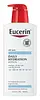 Key Ingredients
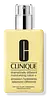
Benefits
Concerns
Ingredients Side-by-side
Water
Skin ConditioningHelianthus Annuus Seed Oil
Emollient



Petrolatum
Emollient

Glycerin
Humectant

Glyceryl Stearate Se
Emulsifying

Octyldodecanol
Emollient
Caprylic/Capric Triglyceride
Masking
Pentylene Glycol
Skin Conditioning
Palmitic Acid
Emollient
Stearic Acid
Cleansing
Phenoxyethanol
Preservative
Dimethicone
Emollient
Cetearyl Alcohol
Emollient
Caprylyl Glycol
Emollient
Panthenol
Skin Conditioning

Tocopheryl Acetate
Antioxidant


Cholesterol
Emollient
Carbomer
Emulsion StabilisingSodium Hydroxide
BufferingTrisodium EDTA
BHT
Antioxidant
Water, Helianthus Annuus Seed Oil, Petrolatum, Glycerin, Glyceryl Stearate Se, Octyldodecanol, Caprylic/Capric Triglyceride, Pentylene Glycol, Palmitic Acid, Stearic Acid, Phenoxyethanol, Dimethicone, Cetearyl Alcohol, Caprylyl Glycol, Panthenol, Tocopheryl Acetate, Cholesterol, Carbomer, Sodium Hydroxide, Trisodium EDTA, BHT
Water
Skin ConditioningParaffinum Liquidum
Emollient
Glycerin
Humectant
Petrolatum
Emollient
Stearic Acid
Cleansing
Glyceryl Stearate
Emollient
Sesamum Indicum Seed Oil
Emollient
Urea
Buffering

Lanolin Alcohol
Emollient
Triethanolamine
BufferingHordeum Vulgare Extract
EmollientCucumis Sativus Fruit Extract
Emollient
Helianthus Annuus Seedcake
Abrasive
Propylene Glycol Dicaprate
EmollientSodium Hyaluronate
Humectant

Butylene Glycol
Humectant
Pentylene Glycol
Skin Conditioning
Trisodium EDTA
Phenoxyethanol
Preservative
CI 15985
Cosmetic ColorantCI 19140
Cosmetic ColorantCI 17200
Cosmetic ColorantWater, Paraffinum Liquidum, Glycerin, Petrolatum, Stearic Acid, Glyceryl Stearate, Sesamum Indicum Seed Oil, Urea, Lanolin Alcohol, Triethanolamine, Hordeum Vulgare Extract, Cucumis Sativus Fruit Extract, Helianthus Annuus Seedcake, Propylene Glycol Dicaprate, Sodium Hyaluronate, Butylene Glycol, Pentylene Glycol, Trisodium EDTA, Phenoxyethanol, CI 15985, CI 19140, CI 17200
Reviews
Ingredients Explained
These ingredients are found in both products.
Ingredients higher up in an ingredient list are typically present in a larger amount.
Glycerin (or glycerol) is a compound naturally found in your skin. It's a powerhouse humectant that pulls water into the stratum corneum.
Topically, glycerin does several things at once:
Your skin makes glycerin on its own (mostly from sebaceous oil breakdown) and shuttles it to your outermost layer of skin, or your epidermis, via aquaporin-3.
Aquaporin-3 is a transporter that is essential for normal skin hydration, elasticity, and repair. Interestingly, mice lacking in AQP3 have dry and less elastic skin that can be fully corrected with glycerin.
This ingredient is non-irritating, plays well with almost every ingredient, and works across all skin types. Typical use is anywhere between 3-10% but can go up to 79% in some leave-on products.
Just know very high concentrations (>40%) can feel tacky in low humidity.
Glycerin is the name for this ingredient in American English. British English uses Glycerol/Glycerine.
Learn more about GlycerinPentylene Glycol (1,2-pentanediol) is a multitasking little diol with three main roles in a formula:
Research on alkanediols (the family pentylene glycol belongs to) show they work by disrupting microbial cell membranes. This disruption helps the primary preservative system in a product work more effectively at lower doses.
On the safety side, the Cosmetic Ingredient Review Expert Panel has concluded this ingredient to be safe as used in current cosmetic practices + concentrations.
Typical use levels in a formula run about 1-5%.
Learn more about Pentylene GlycolPetrolatum is more commonly known as petroleum jelly. It is created by mixing waxes and mineral oils.
This ingredient is effective at reducing water loss by 99%. This is because it is an occlusive. Occlusives create a hydrophobic barrier on the skin to prevent evaporation. This property makes it great for hydrating dry skin.
Pro tip: Use occlusives, such as this ingredient, on damp skin for the best results.
The quality or origin of petrolatum is only known when disclosed by the brand. Most cosmetic petrolatum has gone through several purification stages.
Another benefit of occlusives is it protects your skin against infection or allergies.
Petrolatum is fungal acne safe. It is a hydrocarbon with no fatty acid structure, so Malassezia cannot metabolize it. In-vitro studies support negligible growth stimulation as well.
It's also worth noting that petrolatum has a comedogenic rating of 0. In updated rabbit ear testing (and in human testing), petrolatum was found to be not comedogenic. This means it didn’t promote comedone formation in standard models.
Learn more about PetrolatumPhenoxyethanol is one of the most widely used preservatives in skincare (and for good reason!).
It has a large spectrum of antimicrobial activity and especially effective bacteria, yeast, and mold while only having a weak effect on your skin's natural microbiome.
On a cellular level, it disrupts the cell membranes of microbes by poking holes that make the cell leak. This shuts down the chemical reactions the microbe needs to make energy so it can no longer survive.
Another perk of this ingredient is that it stays functional across a wide pH range (3-10).
You'll often see it paired with boosters like Ethylhexylglycerin; one study showed that a 1:9 ratio of Ethylhexylglycerin to Phenoxyethanol damages bacterial membranes as effectively as doubling the Phenoxyethanol concentration on its own.
Typical use concentrations range from 0.3-1% depending on the formula, and this ingredient is capped at 1% int the EU.
Safety-wise, the fear mongering does not hold up to the evidence. The EU's Scientific Committee on Consumer Safety and FDA consider it safe as a preservative at up to 1%, including for children of all ages.
Adverse systemic effects only showed up in animal studies at exposures roughly 200x higher than what people get from cosmetics. And despite its very widespread use, this ingredient is a rare sensitizer and allergic reactions are uncommon.
Learn more about PhenoxyethanolStearic Acid is a fatty acid that is already found in your skin. It's one of the free fatty acids that works alongside ceramides and cholesterols to maintain your barrier.
In cosmetics, it is a multitasker:
Safety-wise, the CIR Expert Panel has concluded it to be safe in cosmetics when formulated to be non-irritating and non-sensitizing.
Free stearic acid is a C18 fatty acid that the Malassezia yeast can substrate, so this ingredient may not be fungal acne safe.
Learn more about Stearic AcidTrisodium EDTA is one of those quietly essential helper ingredients that most people have never heard of. You'll most likely spot it near the end of ingredient lists in almost every category of skincare.
So what does it actually do?
Its main job is chelation; this is a fancy word to say it grabs onto metal ions and neutralizes them. This is because even purified water in cosmetics contains trace amounts of metals that can cause big problems in a formula.
These trace metals can break down actives faster, cause discoloration, promote rancidity in oils, and make preservatives less effective. Trisodium EDTA binds to these metals and takes them out of the equation so your products can stay stable and effective for longer.
There's also an added bonus: by neutralizing the metals ions that bacteria need to thrive, this ingredient also acts as a preservative booster.
The Cosmetic Ingredient Review has concluded this ingredient to be safe as used in cosmetic formulations. It is not considered an irritant, sensitizer, and is barely absorbed through the skin.
Learn more about Trisodium EDTAWater. It's the most common cosmetic ingredient of all. You'll usually see it at the top of ingredient lists, meaning that it makes up the largest part of the product.
So why is it so popular? Water most often acts as a solvent - this means that it helps dissolve other ingredients into the formulation.
You'll also recognize water as that liquid we all need to stay alive. If you see this, drink a glass of water. Remember to stay hydrated!
Learn more about Water

