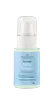
This calming serum is formulated around Panthenol and 4-T-Butylcyclohexanol to calm redness and strengthen the skin barrier.
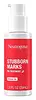
This brightening serum is formulated around Retinol and Ascorbic Acid to fade the look of dark spots and refine skin texture.


What's inside
What's inside
 Key Ingredients
Benefits
Concerns
Ingredients Side-by-side
Water
Skin ConditioningPanthenol
Skin Conditioning




C15-19 Alkane
SolventDimethicone
Emollient
Butyrospermum Parkii Butter Extract
Skin Conditioning

Dipropylene Glycol
HumectantPropanediol
Solvent
Glycerin
Humectant
Cetearyl Alcohol
Emollient




Argania Spinosa Kernel Oil
Emollient


Pentylene Glycol
Skin Conditioning
Butylene Glycol
Humectant
Phenoxyethanol
Preservative
4-T-Butylcyclohexanol
Masking

Spent Grain Wax
Skin Conditioning
Ammonium Acryloyldimethyltaurate/Vp Copolymer
Dicetyl Phosphate
EmulsifyingCeteth-10 Phosphate
CleansingSodium Hyaluronate
Humectant

Triethylene Glycol
Masking
Tocopheryl Acetate
Antioxidant


Hydroxyphenyl Propamidobenzoic Acid
Skin ConditioningDisodium EDTA
ChelatingMelia Azadirachta Leaf Extract
Skin ConditioningPolyglutamic Acid
Skin Conditioning
Sodium Hydroxide
BufferingMelia Azadirachta Flower Extract
Skin ConditioningTocopherol
Antioxidant
Ascorbyl Palmitate
Antioxidant
BHT
Antioxidant
Water, Panthenol, C15-19 Alkane, Dimethicone, Butyrospermum Parkii Butter Extract, Dipropylene Glycol, Propanediol, Glycerin, Cetearyl Alcohol, Argania Spinosa Kernel Oil, Pentylene Glycol, Butylene Glycol, Phenoxyethanol, 4-T-Butylcyclohexanol, Spent Grain Wax, Ammonium Acryloyldimethyltaurate/Vp Copolymer, Dicetyl Phosphate, Ceteth-10 Phosphate, Sodium Hyaluronate, Triethylene Glycol, Tocopheryl Acetate, Hydroxyphenyl Propamidobenzoic Acid, Disodium EDTA, Melia Azadirachta Leaf Extract, Polyglutamic Acid, Sodium Hydroxide, Melia Azadirachta Flower Extract, Tocopherol, Ascorbyl Palmitate, BHT
Water
Skin ConditioningPentaerythrityl Tetraethylhexanoate
Emollient
Dimethicone
Emollient
Glycerin
Humectant
PPG-15 Stearyl Ether
EmollientStearyl Alcohol
Emollient
Cetearyl Alcohol
Emollient
Butylene Glycol
Humectant
Ceteareth-20
Cleansing
Isohexadecane
EmollientDimethicone Crosspolymer
Emulsion Stabilising
Trisiloxane
Skin Conditioning
Phenoxyethanol
Preservative
Caprylyl Glycol
Emollient
Ammonium Acryloyldimethyltaurate/Vp Copolymer
Polyacrylamide
C13-14 Isoparaffin
Emollient
Chlorphenesin
Antimicrobial
Hydrolyzed Myrtus Communis Leaf Extract
Skin ProtectingPolysorbate 20
Emulsifying
BHT
Antioxidant
Retinol
Skin Conditioning




Disodium EDTA
ChelatingSodium Hyaluronate
Humectant
Ascorbic Acid
Antioxidant
Laureth-7
EmulsifyingSodium Hydroxide
BufferingWater, Pentaerythrityl Tetraethylhexanoate, Dimethicone, Glycerin, PPG-15 Stearyl Ether, Stearyl Alcohol, Cetearyl Alcohol, Butylene Glycol, Ceteareth-20, Isohexadecane, Dimethicone Crosspolymer, Trisiloxane, Phenoxyethanol, Caprylyl Glycol, Ammonium Acryloyldimethyltaurate/Vp Copolymer, Polyacrylamide, C13-14 Isoparaffin, Chlorphenesin, Hydrolyzed Myrtus Communis Leaf Extract, Polysorbate 20, BHT, Retinol, Disodium EDTA, Sodium Hyaluronate, Ascorbic Acid, Laureth-7, Sodium Hydroxide
Reviews
Ingredients Explained
These ingredients are found in both products.
Ingredients higher up in an ingredient list are typically present in a larger amount.
Ammonium Acryloyldimethyltaurate/Vp Copolymer is a synthetically created polymer. It's used as a film-forming agent and used to thicken the consistency of products.
Think of it as a supportive ingredient that helps your gel-creams feel silky, "cloud cream-like", and spread evenly without being greasy.
The Cosmetic Ingredient Review (CIR) Expert Panel evaluated it (along with 22 other acryloyldimethyltaurate polymers) and concluded it's:
Due to its large molecular size, it sits on the surface of skin rather than penetrating it.
Learn more about Ammonium Acryloyldimethyltaurate/Vp CopolymerBHT is a synthetic antioxidant and preservative.
As an antioxidant, it helps your body fight off free-radicals. Free-radicals are molecules that may damage your skin cells.
As a preservative, it is used to stabilize products and prevent them from degrading. Specifically, BHT prevents degradation from oxidation.
The concerns related to BHT come from oral studies; this ingredient is currently allowed for use by both the FDA and EU.
However, it was recently restricted for use in the UK as of April 2024.
Learn more about BHTButylene Glycol (or BG) is used within cosmetic products for a few different reasons:
Overall, Butylene Glycol is a safe and well-rounded ingredient that works well with other ingredients.
Though this ingredient works well with most skin types, some people with sensitive skin may experience a reaction such as allergic rashes, closed comedones, or itchiness.
Learn more about Butylene GlycolCetearyl alcohol is a waxy mixture of two fatty alcohols: cetyl alcohol and stearyl alcohol. It is an emollient and emulsifier.
Despite having "alcohol" in its name, it has nothing to do with drying solvent alcohols; the FDA also allows "alcohol-free" products to contain fatty alcohols like this ingredient.
It plays several roles in a formula:
Typical use levels for this ingredient sit around 1-10% and the Cosmetic Ingredient Review Expert Panel has affirmed safety at concentrations up to 25% in leave-on products.
Multiple assessments have found it to be non-irritating and non-sensitizing to most people.
However, there have been some cases of allergic contact dermatitis in patients with chronically compromised skin barriers.
Cetearyl alcohol has a comedogenic rating of 2 and irritancy rating of 1. Both of these numbers come from the 1989 study that used rabbit ears; a "2" means mildly comedogenic and a "1" means low irritancy.
Here's the catch: rabbit skin is more sensitive than human skin and throws a lot of false positives. A 1996 reappraisal found that ingredients rated 1-2 in the rabbit ear tests are generally safe for humans.
Remember comedogenic ratings are unable to assess the entire formula of a product or how it will react on your skin. Just be sure to patch test if you are unsure about certain ingredients.
This ingredient is not fungal acne safe. Cetearyl alcohol is a fatty alcohol with chain lengths that fall within the range that Malassezia can metabolize.
A 2019 study has also observed Malassezia growth in the presence of this ingredient, confirming it to be not-fungal acne safe.
Learn more about Cetearyl AlcoholDimethicone is a type of synthetic silicone created from natural materials such as quartz. It is also known as polydimethylsiloxane.
What it does:
Dimethicone comes in different viscosities:
Depending on the viscosity, dimethicone has different properties.
Ingredients lists don't always show which type is used, so we recommend reaching out to the brand if you have questions about the viscosity.
This ingredient is unlikely to cause irritation because it does not get absorbed into skin. However, people with silicone allergies should be careful about using this ingredient.
Note: Dimethicone may contribute to pilling. This is because it is not oil or water soluble, so pilling may occur when layered with products. When mixed with heavy oils in a formula, the outcome is also quite greasy.
Learn more about DimethiconeDisodium EDTA is a chelating agent. It grabs onto and deactivates metal ions that sneak into your products from water, packaging, or air.
This ingredient mainly works behind the scenes and helps with:
On top of that, this ingredient can counteract the effects of hard water by binding to the minerals in it.
One thing worth knowing is that Disodium EDTA has been shown to be a mild penetration enhancer. It can help other ingredients absorb into skin more effectively which can be a double-edged sword (great for actives, but can also make the active too strong if you have sensitive skin).
Clinical patch testing showed no significant skin irritation at typical use concentrations and minimal dermal absorption.
You'll most likely see this ingredient near the end of an ingredient list. It's typically found in concentrations less than 1%.
Learn more about Disodium EDTAGlycerin (or glycerol) is a compound naturally found in your skin. It's a powerhouse humectant that pulls water into the stratum corneum.
Topically, glycerin does several things at once:
Your skin makes glycerin on its own (mostly from sebaceous oil breakdown) and shuttles it to your outermost layer of skin, or your epidermis, via aquaporin-3.
Aquaporin-3 is a transporter that is essential for normal skin hydration, elasticity, and repair. Interestingly, mice lacking in AQP3 have dry and less elastic skin that can be fully corrected with glycerin.
This ingredient is non-irritating, plays well with almost every ingredient, and works across all skin types. Typical use is anywhere between 3-10% but can go up to 79% in some leave-on products.
Just know very high concentrations (>40%) can feel tacky in low humidity.
Glycerin is the name for this ingredient in American English. British English uses Glycerol/Glycerine.
Learn more about GlycerinPhenoxyethanol is one of the most widely used preservatives in skincare (and for good reason!).
It has a large spectrum of antimicrobial activity and especially effective bacteria, yeast, and mold while only having a weak effect on your skin's natural microbiome.
On a cellular level, it disrupts the cell membranes of microbes by poking holes that make the cell leak. This shuts down the chemical reactions the microbe needs to make energy so it can no longer survive.
Another perk of this ingredient is that it stays functional across a wide pH range (3-10).
You'll often see it paired with boosters like Ethylhexylglycerin; one study showed that a 1:9 ratio of Ethylhexylglycerin to Phenoxyethanol damages bacterial membranes as effectively as doubling the Phenoxyethanol concentration on its own.
Typical use concentrations range from 0.3-1% depending on the formula, and this ingredient is capped at 1% int the EU.
Safety-wise, the fear mongering does not hold up to the evidence. The EU's Scientific Committee on Consumer Safety and FDA consider it safe as a preservative at up to 1%, including for children of all ages.
Adverse systemic effects only showed up in animal studies at exposures roughly 200x higher than what people get from cosmetics. And despite its very widespread use, this ingredient is a rare sensitizer and allergic reactions are uncommon.
Learn more about PhenoxyethanolSodium Hyaluronate is the salt form of hyaluronic acid. It is a long sugar chain that is naturally found in your skin, joints, and connective tissue that maintains hydration and elasticity.
In skincare, it works as a humectant. It pulls water from the environment and deeper layers of skin and binds it to the surface.
Interestingly, the size of the molecule affects its behavior:
Some clinical evidence links low molecular weight versions to improved wrinkle depth, elasticity, anti-inflammatory effects, and barrier repair.
Many serums use a blend of both weights so you can get surface hydration plus longer-lasting and deeper effects.
You'll typically see concentrations between 0.1-2% for this ingredient.
Learn more about Sodium HyaluronateSodium Hydroxide is also known as lye or caustic soda. It is used to adjust the pH of products; many ingredients require a specific pH to be effective.
In small amounts, sodium hydroxide is considered safe to use. However, large amounts may cause chemical burns due to its high alkaline.
Your skin has a natural pH and acid mantle. This acid mantle helps prevent harmful bacteria from breaking through. The acid mantle also helps keep your skin hydrated.
"Alkaline" refers to a high pH level. A low pH level would be considered acidic.
Learn more about Sodium HydroxideWater. It's the most common cosmetic ingredient of all. You'll usually see it at the top of ingredient lists, meaning that it makes up the largest part of the product.
So why is it so popular? Water most often acts as a solvent - this means that it helps dissolve other ingredients into the formulation.
You'll also recognize water as that liquid we all need to stay alive. If you see this, drink a glass of water. Remember to stay hydrated!
Learn more about Water

