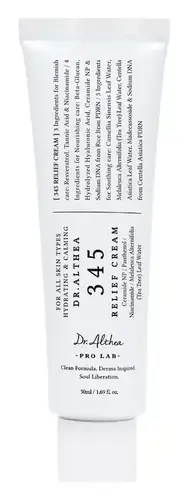
This calming moisturizer is formulated around Aloe Barbadensis Leaf Juice and Sodium Hyaluronate to calm redness and hydrate skin.
This barrier-repair moisturizer is formulated around Butyrospermum Parkii Butter and Prunus Amygdalus Dulcis Oil to strengthen the skin barrier and hydrate skin.

What's inside
What's inside
 Key Ingredients
Benefits
Concerns
Ingredients Side-by-side
Aloe Barbadensis Leaf Juice
Skin Conditioning


Shea Butter Ethyl Esters
Emollient

Glycerin
Humectant

Brassica Glycerides
EmollientGlyceryl Stearate Se
Emulsifying


Butyrospermum Parkii Butter
Skin Conditioning
Behenyl Alcohol
Emollient
Cocos Nucifera Water
Masking
Sodium Hyaluronate
Humectant

Terminalia Ferdinandiana Fruit Extract
Antioxidant
Podocarpus Elatus Fruit Extract
Skin ConditioningPleiogynium Timoriense Fruit Extract
Skin ConditioningSodium Levulinate
Skin ConditioningSodium Anisate
AntimicrobialSodium Phytate
ChelatingLysolecithin
EmulsifyingSclerotium Gum
Emulsion StabilisingXanthan Gum
EmulsifyingAroma


Pullulan
Defatted Citrus Unshiu Fruit
Skin ConditioningPotassium Sorbate
Preservative
Aloe Barbadensis Leaf Juice, Shea Butter Ethyl Esters, Glycerin, Brassica Glycerides, Glyceryl Stearate Se, Butyrospermum Parkii Butter, Behenyl Alcohol, Cocos Nucifera Water, Sodium Hyaluronate, Terminalia Ferdinandiana Fruit Extract, Podocarpus Elatus Fruit Extract, Pleiogynium Timoriense Fruit Extract, Sodium Levulinate, Sodium Anisate, Sodium Phytate, Lysolecithin, Sclerotium Gum, Xanthan Gum, Aroma, Pullulan, Defatted Citrus Unshiu Fruit, Potassium Sorbate
Water
Skin ConditioningButyrospermum Parkii Butter
Skin Conditioning
Prunus Amygdalus Dulcis Oil
Skin Conditioning
Prunus Armeniaca Kernel Oil
Masking
Glyceryl Oleate Citrate
Emulsifying
Arachidyl Alcohol
Emollient
Glycerin
Humectant
Helianthus Annuus Seed Oil
Emollient
Behenyl Alcohol
Emollient
Persea Gratissima Oil
Skin Conditioning
Mangifera Indica Seed Oil
Emollient
Ethyl Ester Of Hydrolyzed Silk
Skin ConditioningBenzyl Alcohol
Perfuming


Ubiquinone
Antioxidant
Arachidyl Glucoside
EmulsifyingTocopherol
Antioxidant


Sodium Citrate
BufferingLycium Barbarum Fruit Extract
Astringent
Lysolecithin
EmulsifyingSclerotium Gum
Emulsion StabilisingXanthan Gum
EmulsifyingPullulan
Dehydroacetic Acid
Preservative
Parfum
Masking
Water, Butyrospermum Parkii Butter, Prunus Amygdalus Dulcis Oil, Prunus Armeniaca Kernel Oil, Glyceryl Oleate Citrate, Arachidyl Alcohol, Glycerin, Helianthus Annuus Seed Oil, Behenyl Alcohol, Persea Gratissima Oil, Mangifera Indica Seed Oil, Ethyl Ester Of Hydrolyzed Silk, Benzyl Alcohol, Ubiquinone, Arachidyl Glucoside, Tocopherol, Sodium Citrate, Lycium Barbarum Fruit Extract, Lysolecithin, Sclerotium Gum, Xanthan Gum, Pullulan, Dehydroacetic Acid, Parfum
Ingredients Explained
These ingredients are found in both products.
Ingredients higher up in an ingredient list are typically present in a larger amount.
Behenyl Alcohol is a type of fatty alcohol (these are different from the drying, solvent alcohols).
Fatty Alcohols have hydrating properties and are most often used as an emollient or to thicken a product. They are usually derived from natural fats and oils; behenyl alcohol is derived from the fats of vegetable oils.
Emollients help keep your skin soft and hydrated by creating a film that traps moisture in.
In 2000, Behenyl Alcohol was approved by the US as medicine to reduce the duration of cold sores.
Learn more about Behenyl AlcoholThis ingredient is also known as shea butter. It is a plant-derived extract from the nuts of the Africa shea tree and one of the most well-studied emollients.
Because it has a high concentration of fatty acids (primarily oleic, stearic, and linoleic) it is able to form a protective barrier on the skin's surface. This helps seal in moisture and prevents transepidermal water loss (TEWL).
In vitro research found an increase in skin hydration by 58% and a decrease in TEWL by 37.8% after 24 hours of applying this ingredient (pretty impressive for a single ingredient!).
Besides hydration, shea butter also contains triterpenes that have anti-inflammatory potential. In particule, lupeol cinnamate has shown the highest anti-inflammatory activity in vivo.
Shea butter also contains vitamins A and E which may contribute to antioxidant activity.
While Shea Butter has an SPF rating of about 3-4, it is not a sunscreen replacement.
This ingredient may not be fungal acne safe because its fatty acids fall within the C11-C24 range that the Malassezia yeast can metabolize.
This ingredient shows up on a lot of "pore-clogging" lists but there's no real evidence behind that. It doesn't even have a comedogenic rating from an actual study; the numbers you'll find online come from blogs citing other blogs.
Ratings for other ingredients mostly come from a 1980s rabbit ear test. This test doesn't translate well to human skin or to real products because the ingredient sits at a much lower percentage.
Some people still find it breaks them out. So if that's you, definitely trust your skin. Just know this one's based on experience and not evidence.
Learn more about Butyrospermum Parkii ButterGlycerin (or glycerol) is a compound naturally found in your skin. It's a powerhouse humectant that pulls water into the stratum corneum.
Topically, glycerin does several things at once:
Your skin makes glycerin on its own (mostly from sebaceous oil breakdown) and shuttles it to your outermost layer of skin, or your epidermis, via aquaporin-3.
Aquaporin-3 is a transporter that is essential for normal skin hydration, elasticity, and repair. Interestingly, mice lacking in AQP3 have dry and less elastic skin that can be fully corrected with glycerin.
This ingredient is non-irritating, plays well with almost every ingredient, and works across all skin types. Typical use is anywhere between 3-10% but can go up to 79% in some leave-on products.
Just know very high concentrations (>40%) can feel tacky in low humidity.
Glycerin is the name for this ingredient in American English. British English uses Glycerol/Glycerine.
Learn more about GlycerinWe don't have a description for Lysolecithin yet.
Pullulan is a low viscosity polysaccharide (a long chain carbohydrate) with binding and film forming properties when dissolved in water. It is used to create a "silicone-like" or silky feel in cosmetics without adding viscosity.
According to a manufacturer, this ingredient's ability to easily dissolves makes it a great carrier for active ingredients.
Due to it being edible and tasteless, you'll likely find this ingredient in breath freshener strips. This ingredient is produced from the starch of the fungus, Aureobasidium pullulans.
Pullulan is stable over a broad-range of pH.
Learn more about PullulanSclerotium Gum is a natural sugar-based fiber made by fermenting a fungus called Sclerotium rolfsii. It's often used as the plant-friendly alternative for synthetic thickeners like carbomer.
In skincare, it works as a thickener, gel former, and stabilizer that keeps heavy ingredients suspended so a product does not separate.
It is non-ionic and forms a triple helix in solution. This is just a fancy way of saying it builds a smooth, cushiony, and non-sticky gel that feels silkier than many other gums.
Another perk of this ingredient is that it is very sturdy and holds up across a wide pH range (~2-11). It's also good at resisting heat and hydrolysis.
Since it holds water at the skin surface, it can provide some light hydration as well.
Typical use levels are around 0.25-2%; formulators usually use 0.2-0.5% to thicken lotions and up to 2% for a firmer gel base.
This ingredient has been found safe in cosmetics with no meaningful evidence of skin sensitization.
Learn more about Sclerotium GumXanthan gum is used as a stabilizer and thickener within cosmetic products. It helps give products a sticky, thick feeling - preventing them from being too runny.
On the technical side of things, xanthan gum is a polysaccharide - a combination consisting of multiple sugar molecules bonded together.
Xanthan gum is a pretty common and great ingredient. It is a natural, non-toxic, non-irritating ingredient that is also commonly used in food products.
Learn more about Xanthan Gum