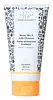
This mild gel cleanser is made to cleanse without leaving your skin tight or dry.
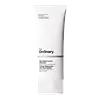
This mild cream cleanser is mild enough to cleanse without leaving skin feeling tight or stripped.


What's inside
What's inside
 Key Ingredients
No key ingredients
Benefits
Concerns
Ingredients Side-by-side
Water
Skin ConditioningGlycerin
Humectant


Cocamidopropyl Betaine
Cleansing



Coco-Glucoside
Cleansing
Sodium Lauroyl Methyl Isethionate
CleansingCocamidopropyl Hydroxysultaine
Cleansing
Sodium Methyl Oleoyl Taurate
CleansingPropanediol
Solvent
Aloe Barbadensis Leaf Extract
Emollient

Glycolipids
Skin ConditioningLinoleic Acid
Cleansing

Linolenic Acid
Cleansing

Lauryl Glucoside
CleansingCucumis Melo Cantalupensis Fruit Extract
AstringentSclerocarya Birrea Seed Oil
Humectant

Dipotassium Glycyrrhizate
Humectant
Tocopherol
Antioxidant



Citric Acid
Buffering
Phenoxyethanol
Preservative
Sodium Hydroxide
BufferingSodium Benzoate
Masking
Sodium Chloride
MaskingPolylysine
Water, Glycerin, Cocamidopropyl Betaine, Coco-Glucoside, Sodium Lauroyl Methyl Isethionate, Cocamidopropyl Hydroxysultaine, Sodium Methyl Oleoyl Taurate, Propanediol, Aloe Barbadensis Leaf Extract, Glycolipids, Linoleic Acid, Linolenic Acid, Lauryl Glucoside, Cucumis Melo Cantalupensis Fruit Extract, Sclerocarya Birrea Seed Oil, Dipotassium Glycyrrhizate, Tocopherol, Citric Acid, Phenoxyethanol, Sodium Hydroxide, Sodium Benzoate, Sodium Chloride, Polylysine
Water
Skin ConditioningBehenyl Alcohol
Emollient
Polyglyceryl-2 Stearate
Emulsifying
Glycolipids
Skin ConditioningPentylene Glycol
Skin Conditioning
Polyglyceryl-6 Dicaprate
EmulsifyingGlyceryl Stearate
Emollient
Stearyl Alcohol
Emollient
Diutan Gum
Polyacrylate Crosspolymer-6
Emulsion StabilisingSodium Phytate
ChelatingPhytic Acid
Chelating
Trisodium Ethylenediamine Disuccinate
ChelatingSodium Benzoate
Masking
Phenoxyethanol
Preservative
Chlorphenesin
Antimicrobial
Reviews
Ingredients Explained
These ingredients are found in both products.
Ingredients higher up in an ingredient list are typically present in a larger amount.
Glycolipids are natural, sustainable biosurfactants. They are both surfactants (cleansing agents) and emollients.
Made from lipids and sugars, in-vitro studies show glycolipids are a gentle alternative to conventional surfactants. They also possess foaming properties to give cleaning products a nice texture.
One manufacturer study found their glycolipid also demonstrated sebum reduction and helped reduced oiliness after four weeks. This means it can also be great for scalp care.
Learn more about GlycolipidsPhenoxyethanol is one of the most widely used preservatives in skincare (and for good reason!).
It has a large spectrum of antimicrobial activity and especially effective bacteria, yeast, and mold while only having a weak effect on your skin's natural microbiome.
On a cellular level, it disrupts the cell membranes of microbes by poking holes that make the cell leak. This shuts down the chemical reactions the microbe needs to make energy so it can no longer survive.
Another perk of this ingredient is that it stays functional across a wide pH range (3-10).
You'll often see it paired with boosters like Ethylhexylglycerin; one study showed that a 1:9 ratio of Ethylhexylglycerin to Phenoxyethanol damages bacterial membranes as effectively as doubling the Phenoxyethanol concentration on its own.
Typical use concentrations range from 0.3-1% depending on the formula, and this ingredient is capped at 1% int the EU.
Safety-wise, the fear mongering does not hold up to the evidence. The EU's Scientific Committee on Consumer Safety and FDA consider it safe as a preservative at up to 1%, including for children of all ages.
Adverse systemic effects only showed up in animal studies at exposures roughly 200x higher than what people get from cosmetics. And despite its very widespread use, this ingredient is a rare sensitizer and allergic reactions are uncommon.
Learn more about PhenoxyethanolSodium Benzoate is a preservative. It's used in both cosmetic and food products to inhibit the growth of mold and bacteria. It is typically produced synthetically.
Both the US FDA and EU Health Committee have approved the use of sodium benzoate. In the US, levels of 0.1% (of the total product) are allowed.
Sodium benzoate works as a preservative by inhibiting the growth of bacteria inside of cells. It prevents the cell from fermenting a type of sugar using an enzyme called phosphofructokinase.
It is the salt of benzoic acid. Foods containing sodium benzoate include soda, salad dressings, condiments, fruit juices, wines, and snack foods.
Studies for using ascorbic acid and sodium benzoate in cosmetics are lacking, especially in skincare routines with multiple steps.
We always recommend speaking with a professional, such as a dermatologist, if you have any concerns.
Learn more about Sodium BenzoateWater. It's the most common cosmetic ingredient of all. You'll usually see it at the top of ingredient lists, meaning that it makes up the largest part of the product.
So why is it so popular? Water most often acts as a solvent - this means that it helps dissolve other ingredients into the formulation.
You'll also recognize water as that liquid we all need to stay alive. If you see this, drink a glass of water. Remember to stay hydrated!
Learn more about Water

