Dr. Denese SkinScience Hydroshield Pro Strength Serum Versus Elizabeth Arden Retinol Ceramide Capsules Line Erasing Night Serum
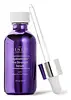
This anti-aging serum is formulated around Tetrahexyldecyl Ascorbate and Hydroxypinacolone Retinoate to soften the look of wrinkles and refine skin texture.
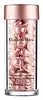
This anti-aging serum is formulated around Ceramide NP and Palmitoyl Tripeptide-1 to soften the look of wrinkles and refine skin texture.

What's inside
What's inside
 Key Ingredients
Benefits
Concerns
Ingredients Side-by-side
Dimethicone
Emollient

Cyclopentasiloxane
Emollient
Caprylyl Methicone
Skin Conditioning
Dimethiconol
Emollient
Dimethicone Crosspolymer
Emulsion Stabilising
Tetrahexyldecyl Ascorbate
Antioxidant





Dimethicone/Vinyl Dimethicone Crosspolymer
Skin Conditioning
Paphiopedilum Maudiae Flower Extract
Skin ConditioningHydroxypinacolone Retinoate
Skin Conditioning



Bisabolol
Antioxidant


Zingiber Officinale Root Extract
Masking
Caprylic/Capric Triglyceride
Masking
Dimethyl Isosorbide
SolventEthylhexyl Cocoate
Emollient



Glyceryl Linoleate
Emollient
Glyceryl Linolenate
Emollient
Tocopheryl Acetate
Antioxidant
Cholesterol
Emollient
Ceramide NP
Skin Conditioning
Phenoxyethanol
Preservative
Dimethicone, Cyclopentasiloxane, Caprylyl Methicone, Dimethiconol, Dimethicone Crosspolymer, Tetrahexyldecyl Ascorbate, Dimethicone/Vinyl Dimethicone Crosspolymer, Paphiopedilum Maudiae Flower Extract, Hydroxypinacolone Retinoate, Bisabolol, Zingiber Officinale Root Extract, Caprylic/Capric Triglyceride, Dimethyl Isosorbide, Ethylhexyl Cocoate, Glyceryl Linoleate, Glyceryl Linolenate, Tocopheryl Acetate, Cholesterol, Ceramide NP, Phenoxyethanol
Cyclopentasiloxane
Emollient
Dimethicone Crosspolymer
Emulsion Stabilising
C12-15 Alkyl Benzoate
AntimicrobialBHT
Antioxidant
C18-36 Acid Triglyceride
EmollientCamellia Sinensis Leaf Extract
Antimicrobial
Ceramide NP
Skin Conditioning
Ceramide Ns
Skin Conditioning
Cyclohexasiloxane
Emollient
Dimethiconol
Emollient
Ethylhexyl Cocoate
Emollient
Helianthus Annuus Seed Oil
Emollient
Lauryl Methacrylate/Glycol Dimethacrylate Crosspolymer
Lecithin
Emollient
Olea Europaea Fruit Oil
Masking

Palmitoyl Tetrapeptide-7
Skin Conditioning
Palmitoyl Tripeptide-1
Skin Conditioning
Persea Gratissima Oil
Skin Conditioning
Phytosphingosine
Skin Conditioning
Phytosterols
Skin Conditioning
Polysorbate 20
Emulsifying
Propylene Glycol Dicaprylate/Dicaprate
EmollientRetinol
Skin Conditioning

Sorbitan Laurate
Emulsifying
Tetrahydrodiferuloylmethane
Antioxidant
Phenoxyethanol
Preservative
Cyclopentasiloxane, Dimethicone Crosspolymer, C12-15 Alkyl Benzoate, BHT, C18-36 Acid Triglyceride, Camellia Sinensis Leaf Extract, Ceramide NP, Ceramide Ns, Cyclohexasiloxane, Dimethiconol, Ethylhexyl Cocoate, Helianthus Annuus Seed Oil, Lauryl Methacrylate/Glycol Dimethacrylate Crosspolymer, Lecithin, Olea Europaea Fruit Oil, Palmitoyl Tetrapeptide-7, Palmitoyl Tripeptide-1, Persea Gratissima Oil, Phytosphingosine, Phytosterols, Polysorbate 20, Propylene Glycol Dicaprylate/Dicaprate, Retinol, Sorbitan Laurate, Tetrahydrodiferuloylmethane, Phenoxyethanol
Reviews
Ingredients Explained
These ingredients are found in both products.
Ingredients higher up in an ingredient list are typically present in a larger amount.
Ceramide NP (formerly known as Ceramide 3) is one of the skin's naturally occurring lipids.
Since ceramides are the major lipid components of the skin, they are crucial for maintaining skin barrier and hydration. Ceramide NP most closely mirrors the dominant kind in human skin amongst ceramide subtypes.
This ceramide works by slotting into gaps within the stratum corneum's lipid matrix to limit trans-epidermal water loss (TEWL) and shield the skin against external irritants.
A study with 312 patients found that using a ceramide-containing routine for 4 weeks reduced the severity of atopic dermatitis by over 61%.
Another clinical study in subjects aged 60 and older found that a ceramide body wash and moisturizer improved skin dryness and itchy skin in 15 days.
Overall, ceramides are considered non-irritating and safety tests have found little to no observable adverse effects from using this ingredient.
Ceramide NP is usually sourced from plants (like soybean or rice bran), or produced synthetically.
Learn more about Ceramide NPCyclopentasiloxane (D5) is a lightweight silicone that mostly acts as an emollient and solvent in cosmetics. Its the reason your products feel silky, fast-spreading, and non-greasy.
Since D5 is volatile, it does its thing and then evaporates off the skin quickly.
The safety profile of this ingredient is reassuring; the US CIR Expert Panel concluded D5 is safe as used in cosmetics and Health Canada concluded that D5 is not harmful to human health or the environment as currently used in cosmetics
There's a study that people mention about D5 in a rat study showing tumors. This study is related to long-term inhalation of high D5 levels.
Regulatory bodies have judged this study to be not applicable in topical skincare since skin absorption of D5 is very low and we're not really inhaling huge amounts of D5.
The only restriction for this ingredient is environmental. The European Chemicals Agency (ECHA) restricted D5 in wash-off cosmetics at or above 0.1% due to their persistence in water.
Learn more about CyclopentasiloxaneDimethicone Crosspolymer is a silicone created by modifying dimethicone with hydrocarbon side chains. Due to its large size, it does not penetrate skin. It is considered non-occlusive.
Dimethicone Crosspolymer is used to stabilize and thicken products. It also helps give products a silky feel.
Dimethiconol is a silicone that resembles the popular dimethicone. Like other silicones, it is an emollient. Emollients create a thin film on skin to prevent moisture from escaping.
This ingredient helps to create a silky texture and improve spreadability. Due to its high molecular weight and thickness, it is often combined with cyclopentasiloxane.
Ethylhexyl Cocoate is created from 2-ethylhexanol and Coconut Acid. Coconut Acid is created from the fatty acids derived from Coconut Oil.
As an emollient, Ethylhexyl Cocoate helps soften and hydrate your skin. Emollients create a thin film on top of skin that traps moisture in.
Phenoxyethanol is one of the most widely used preservatives in skincare (and for good reason!).
It has a large spectrum of antimicrobial activity and especially effective bacteria, yeast, and mold while only having a weak effect on your skin's natural microbiome.
On a cellular level, it disrupts the cell membranes of microbes by poking holes that make the cell leak. This shuts down the chemical reactions the microbe needs to make energy so it can no longer survive.
Another perk of this ingredient is that it stays functional across a wide pH range (3-10).
You'll often see it paired with boosters like Ethylhexylglycerin; one study showed that a 1:9 ratio of Ethylhexylglycerin to Phenoxyethanol damages bacterial membranes as effectively as doubling the Phenoxyethanol concentration on its own.
Typical use concentrations range from 0.3-1% depending on the formula, and this ingredient is capped at 1% int the EU.
Safety-wise, the fear mongering does not hold up to the evidence. The EU's Scientific Committee on Consumer Safety and FDA consider it safe as a preservative at up to 1%, including for children of all ages.
Adverse systemic effects only showed up in animal studies at exposures roughly 200x higher than what people get from cosmetics. And despite its very widespread use, this ingredient is a rare sensitizer and allergic reactions are uncommon.
Learn more about Phenoxyethanol

