What's inside
What's inside
 Key Ingredients
Benefits
Concerns
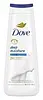
Ingredients Side-by-side
Water
Skin ConditioningLauric Acid
Cleansing




Sodium Lauroyl Isethionate
CleansingSodium Methyl Lauroyl Taurate
CleansingCocamidopropyl Betaine
Cleansing

Sodium Hydroxypropyl Starch Phosphate
Abrasive
Hydrogenated Soybean Oil
Emollient
Sodium Chloride
MaskingGlycine Soja Oil
Emollient


Parfum
Masking

Glycerin
Humectant

Stearic Acid
Cleansing
Palmitic Acid
Emollient
Hydrogenated Vegetable Glycerides
EmollientGlyceryl Stearate
Emollient
Hydroxystearic Acid
Cleansing
Sodium Benzoate
Masking
Guar Hydroxypropyltrimonium Chloride
Skin ConditioningCapryloyl Glycine
CleansingUndecylenoyl Glycine
CleansingCitric Acid
Buffering

Sodium Gluconate
ChelatingAlpha-Isomethyl Ionone
Perfuming
Benzyl Alcohol
Perfuming
Citronellol
Perfuming
Coumarin
Perfuming
Hexyl Cinnamal
Perfuming
Limonene
Perfuming
Linalool
Perfuming
Water, Lauric Acid, Sodium Lauroyl Isethionate, Sodium Methyl Lauroyl Taurate, Cocamidopropyl Betaine, Sodium Hydroxypropyl Starch Phosphate, Hydrogenated Soybean Oil, Sodium Chloride, Glycine Soja Oil, Parfum, Glycerin, Stearic Acid, Palmitic Acid, Hydrogenated Vegetable Glycerides, Glyceryl Stearate, Hydroxystearic Acid, Sodium Benzoate, Guar Hydroxypropyltrimonium Chloride, Capryloyl Glycine, Undecylenoyl Glycine, Citric Acid, Sodium Gluconate, Alpha-Isomethyl Ionone, Benzyl Alcohol, Citronellol, Coumarin, Hexyl Cinnamal, Limonene, Linalool
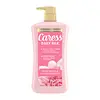
Water
Skin ConditioningSodium Laureth Sulfate
Cleansing

Sodium Chloride
MaskingAcrylates Copolymer
Cocamide Mea
Emulsifying
Parfum
Masking
Tetrasodium EDTA
ChelatingPropylene Glycol
Humectant
Glycine Soja Oil
Emollient
Helianthus Annuus Seed Oil
Emollient
Glycerin
Humectant
Hydrolyzed Silk
Humectant
PPG-9
Skin ConditioningMethylchloroisothiazolinone
Preservative
Prunus Persica Fruit Extract
Abrasive
Methylisothiazolinone
Preservative
Citrus Aurantium Dulcis Flower Oil
Astringent
Mica
Cosmetic ColorantCI 77891
Cosmetic ColorantCI 19140
Cosmetic ColorantCI 17200
Cosmetic ColorantWater, Sodium Laureth Sulfate, Sodium Chloride, Acrylates Copolymer, Cocamide Mea, Parfum, Tetrasodium EDTA, Propylene Glycol, Glycine Soja Oil, Helianthus Annuus Seed Oil, Glycerin, Hydrolyzed Silk, PPG-9, Methylchloroisothiazolinone, Prunus Persica Fruit Extract, Methylisothiazolinone, Citrus Aurantium Dulcis Flower Oil, Mica, CI 77891, CI 19140, CI 17200
Reviews
Ingredients Explained
These ingredients are found in both products.
Ingredients higher up in an ingredient list are typically present in a larger amount.
Glycerin (or glycerol) is a compound naturally found in your skin. It's a powerhouse humectant that pulls water into the stratum corneum.
Topically, glycerin does several things at once:
Your skin makes glycerin on its own (mostly from sebaceous oil breakdown) and shuttles it to your outermost layer of skin, or your epidermis, via aquaporin-3.
Aquaporin-3 is a transporter that is essential for normal skin hydration, elasticity, and repair. Interestingly, mice lacking in AQP3 have dry and less elastic skin that can be fully corrected with glycerin.
This ingredient is non-irritating, plays well with almost every ingredient, and works across all skin types. Typical use is anywhere between 3-10% but can go up to 79% in some leave-on products.
Just know very high concentrations (>40%) can feel tacky in low humidity.
Glycerin is the name for this ingredient in American English. British English uses Glycerol/Glycerine.
Learn more about GlycerinGlycine Soja Oil is a plant-derived oil from soybean seeds. Like other oils, it is rich in essential fatty acids (mostly linoleic and oleic) that support skin hydration and barrier function.
The fatty acids are able to integrate into the lipid matrix of the stratum corneum to help soften skin and reduce water loss.
On top of that, soybean oil is rich in vitamins like vitamin E, a potent antioxidant.
Research on soybean's active components also point to anti-inflammatory, collagen-stimulating, antioxidant activity, and protection against UV-induced oxidative damage.
Most of this research applies to the broader soybean plant and not just the oil fraction alone.
This ingredient does carry a comedogenic rating of 3 from the old rabbit-ear assay. Just remember testing finished products in humans showed that formulas built with "comedogenic" ingredients are not necessarily comedogenic themselves. It's worth patch testing if you're breakout prone, and always listen to your skin.
Because this ingredient is a saturated triglyceride, it may not be fungal acne safe. This is because Malassezia breaks down sebum triglycerides into fatty acids it can consume, making this ingredient a possible source for the yeast.
Learn more about Glycine Soja OilParfum is a catch-all term for an ingredient or more that is used to give a scent to products.
Also called "fragrance", this ingredient can be a blend of hundreds of chemicals or plant oils. This means every product with "fragrance" or "parfum" in the ingredients list is a different mixture.
For instance, Habanolide is a proprietary trade name for a specific aroma chemical. When used as a fragrance ingredient in cosmetics, most aroma chemicals fall under the broad labeling category of “FRAGRANCE” or “PARFUM” according to EU and US regulations.
The term 'parfum' or 'fragrance' is not regulated in many countries. In many cases, it is up to the brand to define this term.
For instance, many brands choose to label themselves as "fragrance-free" because they are not using synthetic fragrances. However, their products may still contain ingredients such as essential oils that are considered a fragrance by INCI standards.
One example is Calendula flower extract. Calendula is an essential oil that still imparts a scent or 'fragrance'.
Depending on the blend, the ingredients in the mixture can cause allergies and sensitivities on the skin. Some ingredients that are known EU allergens include linalool and citronellol.
Parfum can also be used to mask or cover an unpleasant scent.
The bottom line is: not all fragrances/parfum/ingredients are created equally. If you are worried about fragrances, we recommend taking a closer look at an ingredient. And of course, we always recommend speaking with a professional.
Learn more about ParfumChances are, you eat sodium chloride every day. Sodium Chloride is also known as table salt. This ingredient has many purposes in skincare: thickener, emulsifier, and exfoliator.
You'll most likely find this ingredient in cleansers where it is used to create a gel-like texture. As an emulsifier, it also prevents ingredients from separating.
You might see people debate whether Sodium Chloride is comedogenic, but there actually haven't been any comedogenic tests done on it. Either way, the overall formulation of a product matters a lot more than any single ingredient.
You might see this ingredient used in scrubs as a primary exfoliating ingredient.
Learn more about Sodium ChlorideWater. It's the most common cosmetic ingredient of all. You'll usually see it at the top of ingredient lists, meaning that it makes up the largest part of the product.
So why is it so popular? Water most often acts as a solvent - this means that it helps dissolve other ingredients into the formulation.
You'll also recognize water as that liquid we all need to stay alive. If you see this, drink a glass of water. Remember to stay hydrated!
Learn more about Water