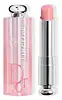
This barrier-repair lip moisturizer is formulated around Helianthus Annuus Seed Oil and Butyrospermum Parkii Butter to strengthen the lip barrier and hydrate lips.


What's inside
What's inside
 Key Ingredients
Benefits
Concerns
Ingredients Side-by-side
Polyglyceryl-2 Triisostearate
Emulsifying

Helianthus Annuus Seed Oil
Emollient

Hydrogenated Castor Oil Dimer Dilinoleate
Skin Conditioning
Phytosteryl/Octyldodecyl Lauroyl Glutamate
Skin ConditioningJojoba Esters
Emollient
Polyglyceryl-2 Isostearate/Dimer Dilinoleate Copolymer
EmollientEuphorbia Cerifera Wax
Behenyl Behenate
EmollientHelianthus Annuus Seed Wax
Skin Conditioning
Butyrospermum Parkii Butter
Skin Conditioning



Oryza Sativa Bran Wax
Skin Conditioning
Caprylic/Capric Triglyceride
Masking
Parfum
Masking


Trimethylolpropane Triisostearate
Emollient
Diisostearyl Malate
EmollientButyrospermum Parkii Butter Unsaponifiables
Skin Conditioning
Prunus Avium Seed Oil
Emollient
Tocopherol
Antioxidant





Ethyl Vanillin
MaskingAscorbyl Palmitate
Antioxidant

Undaria Pinnatifida Extract
Skin ConditioningPropyl Gallate
Antioxidant
CI 15850
Cosmetic ColorantCI 15985
Cosmetic ColorantCI 19140
Cosmetic ColorantCI 42090
Cosmetic ColorantCI 45410
Cosmetic ColorantCI 45380
Cosmetic ColorantCI 73360
Cosmetic ColorantCI 77491
Cosmetic ColorantCI 77492
Cosmetic ColorantCI 77499
Cosmetic ColorantCI 77891
Cosmetic ColorantPolyglyceryl-2 Triisostearate, Helianthus Annuus Seed Oil, Hydrogenated Castor Oil Dimer Dilinoleate, Phytosteryl/Octyldodecyl Lauroyl Glutamate, Jojoba Esters, Polyglyceryl-2 Isostearate/Dimer Dilinoleate Copolymer, Euphorbia Cerifera Wax, Behenyl Behenate, Helianthus Annuus Seed Wax, Butyrospermum Parkii Butter, Oryza Sativa Bran Wax, Caprylic/Capric Triglyceride, Parfum, Trimethylolpropane Triisostearate, Diisostearyl Malate, Butyrospermum Parkii Butter Unsaponifiables, Prunus Avium Seed Oil, Tocopherol, Ethyl Vanillin, Ascorbyl Palmitate, Undaria Pinnatifida Extract, Propyl Gallate, CI 15850, CI 15985, CI 19140, CI 42090, CI 45410, CI 45380, CI 73360, CI 77491, CI 77492, CI 77499, CI 77891
Water
Skin ConditioningDiphenyl Dimethicone
Emollient
Diisostearyl Malate
EmollientBis-Diglyceryl Polyacyladipate-2
Emollient
Hydrogenated Polyisobutene
EmollientBis-Behenyl/Isostearyl/Phytosteryl Dimer Dilinoleyl Dimer Dilinoleate
EmollientDiglycerin
Humectant
Cetyl PEG/PPG-10/1 Dimethicone
Emulsifying
Dipropylene Glycol
HumectantHydrogenated Poly(C6-14 Olefin)
EmollientPolysorbate 60
Emulsifying
Sorbitan Isostearate
Emulsifying
Diisostearoyl Polyglyceryl-3 Dimer Dilinoleate
Emollient
Pentylene Glycol
Skin Conditioning
Hydroxyethyl Acrylate/Sodium Acryloyldimethyl Taurate Copolymer
Emulsion StabilisingCaprylic/Capric Triglyceride
Masking
Squalane
Emollient
Ceteareth-20
Cleansing
Ethylene/Propylene Copolymer
Abrasive
Phenoxyethanol
Preservative
Glycerin
Humectant
CI 77891
Cosmetic ColorantPolyglycerin-3
Humectant
CI 15985
Cosmetic ColorantParfum
Masking
Ethylhexylglycerin
Skin ConditioningCI 17200
Cosmetic ColorantCI 45410
Cosmetic ColorantCI 42090
Cosmetic ColorantHamamelis Virginiana Leaf Extract
Skin Conditioning
Lilium Tigrinum Extract
Skin ConditioningButylene Glycol
Humectant
Water, Diphenyl Dimethicone, Diisostearyl Malate, Bis-Diglyceryl Polyacyladipate-2, Hydrogenated Polyisobutene, Bis-Behenyl/Isostearyl/Phytosteryl Dimer Dilinoleyl Dimer Dilinoleate, Diglycerin, Cetyl PEG/PPG-10/1 Dimethicone, Dipropylene Glycol, Hydrogenated Poly(C6-14 Olefin), Polysorbate 60, Sorbitan Isostearate, Diisostearoyl Polyglyceryl-3 Dimer Dilinoleate, Pentylene Glycol, Hydroxyethyl Acrylate/Sodium Acryloyldimethyl Taurate Copolymer, Caprylic/Capric Triglyceride, Squalane, Ceteareth-20, Ethylene/Propylene Copolymer, Phenoxyethanol, Glycerin, CI 77891, Polyglycerin-3, CI 15985, Parfum, Ethylhexylglycerin, CI 17200, CI 45410, CI 42090, Hamamelis Virginiana Leaf Extract, Lilium Tigrinum Extract, Butylene Glycol
Reviews
Ingredients Explained
These ingredients are found in both products.
Ingredients higher up in an ingredient list are typically present in a larger amount.
Caprylic/Capric Triglyceride (aka MCT Oil) is a lightweight emollient, solvent, and texture enhancer. It is considered a skin-softener by helping to prevent moisture loss.
Though it behaves like an oil, it is not technically one due to its chemical composition. One perk of this ingredient is that it is very stable, resistant to oxidation, and unlikely to go rancid.
In practice, that translates to a long shelf life and a consistently elegant skin feel.
While there is an assumption Caprylic Triglyceride can clog pores due to it being derived from coconut oil, there is no research supporting this. Just patch test if you have concerns.
Fractionated coconut oil and MCT Oil are both listed as Caprylic/Capric Triglyceride according to INCI. This is because INCI names are based on the ingredient’s final chemical composition and not its marketing name or source.
This ingredient is treated as the gold standard fungal acne safe oil. Even though it is coconut derived, the problematic lauric acid is stripped out.
This leaves just caprylic (C8) and capric (C10) acid. These chain lengths actually trend antifungal; a 2020 study found caprylic acid was enough to disrupt Malassezia furfur cell membrane, with a caprylic acid derivative damaging membrane structures at concentrations as low as 0.2%.
Learn more about Caprylic/Capric TriglycerideCi 15985 is a dye made from petroleum. It is synthetically created and approved by the FDA for use in foods and cosmetics.
The color of this dye is orange/yellow.
This ingredient can be found in makeup, sun care, and skincare.
Learn more about CI 15985Ci 42090 is a synthetic dye created from petroleum. It is used to give a bright blue color to cosmetics, medicine, and food.
CI 45410 is a synthetic red-pigment and dye.
It often goes by both Red 28 or Red 27; manufacturers label both ingredients as CI 45410.
This dye is commonly found in makeup because it imparts a vivid color. Some types of this dye change color based on pH level and interaction with moisture:
Your skin has a natural pH of around 4.5 - 5.5.
According to the FDA, CI 45410 is not permitted for use in eye products.
Red 27 is a flourescein dye and commonly used as a fluorescent tracer in medicine.
Learn more about CI 45410Ci 77891 is a white pigment from Titanium dioxide. It is naturally found in minerals such as rutile and ilmenite.
It's main function is to add a white color to cosmetics. It can also be mixed with other colors to create different shades.
Ci 77891 is commonly found in sunscreens due to its ability to block UV rays.
Learn more about CI 77891Diisostearyl Malate is an emollient and most often used in lip products. It comes from isostearyl alcohol, a fatty acid, and malic acid, an AHA.
As an emollient, Diisostearyl Malate helps create a thin film on your skin to trap moisture in. This helps keep your skin soft and smooth.
Parfum is a catch-all term for an ingredient or more that is used to give a scent to products.
Also called "fragrance", this ingredient can be a blend of hundreds of chemicals or plant oils. This means every product with "fragrance" or "parfum" in the ingredients list is a different mixture.
For instance, Habanolide is a proprietary trade name for a specific aroma chemical. When used as a fragrance ingredient in cosmetics, most aroma chemicals fall under the broad labeling category of “FRAGRANCE” or “PARFUM” according to EU and US regulations.
The term 'parfum' or 'fragrance' is not regulated in many countries. In many cases, it is up to the brand to define this term.
For instance, many brands choose to label themselves as "fragrance-free" because they are not using synthetic fragrances. However, their products may still contain ingredients such as essential oils that are considered a fragrance by INCI standards.
One example is Calendula flower extract. Calendula is an essential oil that still imparts a scent or 'fragrance'.
Depending on the blend, the ingredients in the mixture can cause allergies and sensitivities on the skin. Some ingredients that are known EU allergens include linalool and citronellol.
Parfum can also be used to mask or cover an unpleasant scent.
The bottom line is: not all fragrances/parfum/ingredients are created equally. If you are worried about fragrances, we recommend taking a closer look at an ingredient. And of course, we always recommend speaking with a professional.
Learn more about Parfum

