Dime Beauty TBT Serum Versus Barefaced Liquid Gold
This smoothing serum is formulated around Mandelic Acid and Niacinamide to refine skin texture and soften the look of wrinkles.
This brightening serum is formulated around Ascorbic Acid to brighten dull-looking skin and fade the look of dark spots.

What's inside
What's inside
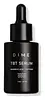 Key Ingredients
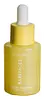
Benefits
Concerns
Ingredients Side-by-side
Water
Skin ConditioningMandelic Acid
Antimicrobial










Propanediol
Solvent

Niacinamide
Smoothing


Sodium Hyaluronate
Humectant
Camellia Sinensis Extract
Antioxidant
Vitis Vinifera Seed Extract
Antimicrobial
Phenoxyethanol
Preservative
Ethylhexylglycerin
Skin ConditioningRosa Canina Seed Oil
Emollient

Nopalea Cochenillifera Extract
Skin ConditioningPunica Granatum Seed Oil
Emollient
Helianthus Annuus Seed Oil
Emollient
Persea Gratissima Oil
Skin Conditioning

Sclerocarya Birrea Seed Oil
Humectant
Vaccinium Vitis-Idaea Seed Oil
Antioxidant
Moringa Oleifera Seed Oil
Emollient
Bakuchiol
Antimicrobial
Nigella Sativa Seed Oil
Emollient
Resveratrol
Antioxidant
Gynostemma Pentaphyllum Leaf/Stem Extract
Antioxidant
Lycium Barbarum Fruit Extract
Astringent
Palmitoyl Tetrapeptide-10
Skin Conditioning
Palmitoyl Tetrapeptide-7
Skin Conditioning
Azadirachta Indica Seed Oil
Skin Conditioning
Water, Mandelic Acid, Propanediol, Niacinamide, Sodium Hyaluronate, Camellia Sinensis Extract, Vitis Vinifera Seed Extract, Phenoxyethanol, Ethylhexylglycerin, Rosa Canina Seed Oil, Nopalea Cochenillifera Extract, Punica Granatum Seed Oil, Helianthus Annuus Seed Oil, Persea Gratissima Oil, Sclerocarya Birrea Seed Oil, Vaccinium Vitis-Idaea Seed Oil, Moringa Oleifera Seed Oil, Bakuchiol, Nigella Sativa Seed Oil, Resveratrol, Gynostemma Pentaphyllum Leaf/Stem Extract, Lycium Barbarum Fruit Extract, Palmitoyl Tetrapeptide-10, Palmitoyl Tetrapeptide-7, Azadirachta Indica Seed Oil
Water
Skin ConditioningAscorbic Acid
Antioxidant
Glycerin
Humectant
Propanediol
Solvent
Coconut Alkanes
Emollient
Hydrated Silica
Abrasive
Terminalia Ferdinandiana Fruit Extract
Antioxidant
Curcuma Longa Root Extract
Antioxidant
Ganoderma Lucidum Extract
Skin Protecting
Morus Alba Leaf Extract
Skin ConditioningPersea Gratissima Fruit Extract
EmollientTocopherol
Antioxidant
Leuconostoc/Radish Root Ferment Filtrate
Antimicrobial
Coco-Caprylate/Caprate
Emollient
Xanthan Gum
EmulsifyingSclerotium Gum
Emulsion StabilisingLecithin
Emollient
Ethylhexylglycerin
Skin ConditioningSodium Hydroxide
BufferingTetrasodium Glutamate Diacetate
ChelatingPullulan
Silica
Abrasive
Phenoxyethanol
Preservative
Water, Ascorbic Acid, Glycerin, Propanediol, Coconut Alkanes, Hydrated Silica, Terminalia Ferdinandiana Fruit Extract, Curcuma Longa Root Extract, Ganoderma Lucidum Extract, Morus Alba Leaf Extract, Persea Gratissima Fruit Extract, Tocopherol, Leuconostoc/Radish Root Ferment Filtrate, Coco-Caprylate/Caprate, Xanthan Gum, Sclerotium Gum, Lecithin, Ethylhexylglycerin, Sodium Hydroxide, Tetrasodium Glutamate Diacetate, Pullulan, Silica, Phenoxyethanol
Ingredients Explained
These ingredients are found in both products.
Ingredients higher up in an ingredient list are typically present in a larger amount.
Ethylhexylglycerin is created from glycerin. It is a multitasker ingredient that:
The CIR Expert Panel found minimal skin absorption or sensitization of any kind in a safety assessment. Though this ingredient is considered well-tolerated, a small number of cases of allergic dermatitis have been published since 2002. Just be sure to patch test if you are unsure.
Industry-reported use ranges from 8% in rinse-off products and 2% in leave-on formulations.
Learn more about EthylhexylglycerinPhenoxyethanol is one of the most widely used preservatives in skincare (and for good reason!).
It has a large spectrum of antimicrobial activity and especially effective bacteria, yeast, and mold while only having a weak effect on your skin's natural microbiome.
On a cellular level, it disrupts the cell membranes of microbes by poking holes that make the cell leak. This shuts down the chemical reactions the microbe needs to make energy so it can no longer survive.
Another perk of this ingredient is that it stays functional across a wide pH range (3-10).
You'll often see it paired with boosters like Ethylhexylglycerin; one study showed that a 1:9 ratio of Ethylhexylglycerin to Phenoxyethanol damages bacterial membranes as effectively as doubling the Phenoxyethanol concentration on its own.
Typical use concentrations range from 0.3-1% depending on the formula, and this ingredient is capped at 1% int the EU.
Safety-wise, the fear mongering does not hold up to the evidence. The EU's Scientific Committee on Consumer Safety and FDA consider it safe as a preservative at up to 1%, including for children of all ages.
Adverse systemic effects only showed up in animal studies at exposures roughly 200x higher than what people get from cosmetics. And despite its very widespread use, this ingredient is a rare sensitizer and allergic reactions are uncommon.
Learn more about PhenoxyethanolPropanediol is an all-star ingredient. It softens, hydrates, and smooths the skin.
It’s often used to:
Propanediol is not likely to cause sensitivity and considered safe to use. It is derived from corn or petroleum with a clear color and no scent.
Learn more about PropanediolWater. It's the most common cosmetic ingredient of all. You'll usually see it at the top of ingredient lists, meaning that it makes up the largest part of the product.
So why is it so popular? Water most often acts as a solvent - this means that it helps dissolve other ingredients into the formulation.
You'll also recognize water as that liquid we all need to stay alive. If you see this, drink a glass of water. Remember to stay hydrated!
Learn more about Water

