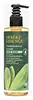
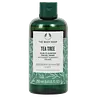
Desert Essence Thoroughly Clean Face Wash Original Versus The Body Shop Tea Tree Skin Clearing Facial Wash
This salicylic acid foaming cleanser is formulated around Salicylic Acid to clear breakouts and unclog pores.


What's inside
What's inside
 Key Ingredients
Benefits
Concerns
Ingredients Side-by-side
Cocos Nucifera Oil
Masking








Glycerin
Humectant

Melaleuca Alternifolia Leaf Oil
Antioxidant




Chamomilla Recutita Flower Extract
Masking

Hydrastis Canadensis Root Extract
MaskingHedychium Coronarium Root Extract
MaskingFucus Vesiculosus Extract
Emollient
Cymbopogon Martini Oil
Masking
Citrus Aurantium Amara Peel Oil
Skin Conditioning
Lavandula Angustifolia Oil
Masking
Chamomilla Recutita Flower Oil
Masking
Calendula Officinalis Flower Oil
Masking
Callitris Intratropica Wood Oil
Masking
Cocos Nucifera Oil, Glycerin, Melaleuca Alternifolia Leaf Oil, Chamomilla Recutita Flower Extract, Hydrastis Canadensis Root Extract, Hedychium Coronarium Root Extract, Fucus Vesiculosus Extract, Cymbopogon Martini Oil, Citrus Aurantium Amara Peel Oil, Lavandula Angustifolia Oil, Chamomilla Recutita Flower Oil, Calendula Officinalis Flower Oil, Callitris Intratropica Wood Oil
Water
Skin ConditioningSodium Laureth Sulfate
Cleansing

Glycerin
Humectant
Cocamidopropyl Betaine
Cleansing
Coco-Betaine
Cleansing
Decyl Glucoside
Cleansing
PEG-40 Hydrogenated Castor Oil
Emulsifying
PEG-7 Glyceryl Cocoate
Emulsifying
Citric Acid
Buffering

Sodium Chloride
MaskingSodium Benzoate
Masking
Melaleuca Alternifolia Leaf Oil
Antioxidant
Coco-Glucoside
Cleansing
Glyceryl Oleate
Emollient
PEG-120 Methyl Glucose Dioleate
Emulsifying
Sodium Gluconate
ChelatingCalophyllum Inophyllum Seed Oil
Antimicrobial
Allantoin
Skin Conditioning
Menthol
Masking
Panthenol
Skin Conditioning
Salicylic Acid
Masking


Sodium Hydroxide
BufferingLimonene
Perfuming
Leptospermum Petersonii Oil
Masking
Tocopherol
Antioxidant


Hydrogenated Palm Glycerides Citrate
Emollient
CI 19140
Cosmetic ColorantCI 42090
Cosmetic ColorantWater, Sodium Laureth Sulfate, Glycerin, Cocamidopropyl Betaine, Coco-Betaine, Decyl Glucoside, PEG-40 Hydrogenated Castor Oil, PEG-7 Glyceryl Cocoate, Citric Acid, Sodium Chloride, Sodium Benzoate, Melaleuca Alternifolia Leaf Oil, Coco-Glucoside, Glyceryl Oleate, PEG-120 Methyl Glucose Dioleate, Sodium Gluconate, Calophyllum Inophyllum Seed Oil, Allantoin, Menthol, Panthenol, Salicylic Acid, Sodium Hydroxide, Limonene, Leptospermum Petersonii Oil, Tocopherol, Hydrogenated Palm Glycerides Citrate, CI 19140, CI 42090
Reviews
Ingredients Explained
These ingredients are found in both products.
Ingredients higher up in an ingredient list are typically present in a larger amount.
Glycerin (or glycerol) is a compound naturally found in your skin. It's a powerhouse humectant that pulls water into the stratum corneum.
Topically, glycerin does several things at once:
Your skin makes glycerin on its own (mostly from sebaceous oil breakdown) and shuttles it to your outermost layer of skin, or your epidermis, via aquaporin-3.
Aquaporin-3 is a transporter that is essential for normal skin hydration, elasticity, and repair. Interestingly, mice lacking in AQP3 have dry and less elastic skin that can be fully corrected with glycerin.
This ingredient is non-irritating, plays well with almost every ingredient, and works across all skin types. Typical use is anywhere between 3-10% but can go up to 79% in some leave-on products.
Just know very high concentrations (>40%) can feel tacky in low humidity.
Glycerin is the name for this ingredient in American English. British English uses Glycerol/Glycerine.
Learn more about GlycerinThis ingredient is also known as tea tree oil. It has antioxidant, anti-inflammatory, and antimicrobial properties.
Tea tree oil is a complex lipophilic (fat-loving) oil that contains around 100 compounds with terpinen-4-ol being the most abundant (~40%).
Terpinen-4-ol is responsible for tea tree oil's broad-spectrum antimicrobial activity and makes it a well-researched option for acne.
Clinical studies support 5% tea tree oil as an effective topical treatment for mild to moderate acne. A study with 124 patients compared 5% tea tree oil gel to 5% benzoyl peroxide and both reduced acne (though tea tree oil worked more slowly).
Besides acne, it is also seen in anti-dandruff shampoos and scalp treatments for it's antimicrobial and anti-seborrheic properties.
Safety-wise, the allergic potential of low concentrations on healthy skin is considered low. However, oxidized (old or improperly stored) tea tree oil is a stronger sensitizer.
Irritation can also occur if using the undiluted oil on skin; it's best to use this ingredient as part of a carefully crafted cosmetic formula. This is because regulations require tea tree oil in cosmetics to be stabilized to prevent degradation.
This ingredient has been deemed safe up to 2% in shampoo, 1% in cleansers, and 0.1% in face cream by the EU's Scientific Committee on Consumer Safety (SCCS).
There is some lab evidence that tea tree oil is antifungal against Malassezia, but it is a supportive option at best and not a replacement for proven antifungal treatments.
Learn more about Melaleuca Alternifolia Leaf Oil

