This anti-aging moisturizer is formulated around Palmitoyl Tripeptide-38 and Acetyl Hexapeptide-8 to soften the look of wrinkles and refine skin texture.


What's inside
What's inside
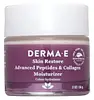 Key Ingredients
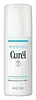
No key ingredients
Benefits
Concerns
Ingredients Side-by-side
Water
Skin ConditioningGlycerin
Humectant


Macadamia Ternifolia Seed Oil
Emollient


Caprylic/Capric Triglyceride
Masking
Stearic Acid
Cleansing
Cetyl Alcohol
Emollient
Glyceryl Stearate Citrate
Emollient
Dimethicone
Emollient
Hydroxypropyl Cyclodextrin
MaskingPalmitoyl Tripeptide-38
Skin Conditioning


Acetyl Hexapeptide-8
Humectant
Panthenol
Skin Conditioning

Pinus Pinaster Bark Extract
Antioxidant
Glyceryl Stearate Se
Emulsifying

Acacia Seyal Gum Extract
HumectantTocopheryl Acetate
Antioxidant

Ascorbyl Palmitate
Antioxidant
Hamamelis Virginiana Bark/Leaf Extract
AstringentAesculus Hippocastanum Seed Extract
Skin ConditioningCamellia Sinensis Leaf Extract
Antimicrobial

Chamomilla Recutita Flower
Skin Conditioning
Simmondsia Chinensis Seed Oil
Emollient
Allantoin
Skin Conditioning
Xanthan Gum
EmulsifyingPotassium Sorbate
Preservative
Sodium Hydroxide
BufferingPhenoxyethanol
Preservative
Ethylhexylglycerin
Skin ConditioningParfum
Masking


Water, Glycerin, Macadamia Ternifolia Seed Oil, Caprylic/Capric Triglyceride, Stearic Acid, Cetyl Alcohol, Glyceryl Stearate Citrate, Dimethicone, Hydroxypropyl Cyclodextrin, Palmitoyl Tripeptide-38, Acetyl Hexapeptide-8, Panthenol, Pinus Pinaster Bark Extract, Glyceryl Stearate Se, Acacia Seyal Gum Extract, Tocopheryl Acetate, Ascorbyl Palmitate, Hamamelis Virginiana Bark/Leaf Extract, Aesculus Hippocastanum Seed Extract, Camellia Sinensis Leaf Extract, Chamomilla Recutita Flower, Simmondsia Chinensis Seed Oil, Allantoin, Xanthan Gum, Potassium Sorbate, Sodium Hydroxide, Phenoxyethanol, Ethylhexylglycerin, Parfum
Water
Skin ConditioningGlycerin
Humectant
Cetyl-Pg Hydroxyethyl Palmitamide
Skin ConditioningDimethicone
Emollient
Neopentyl Glycol Dicaprate
EmollientSqualane
Emollient
Polysorbate 60
Emulsifying
Butylene Glycol
Humectant
Sorbitan Stearate
Emulsifying
Cholesterol
Emollient
Cholesteryl Isostearate
EmollientAllantoin
Skin Conditioning
Cetyl Alcohol
Emollient
Sodium Methyl Stearoyl Taurate
CleansingStearyl Alcohol
Emollient
Succinic Acid
BufferingBis-Methoxypropylamido Isodocosane
EmollientEucalyptus Globulus Leaf Extract
Perfuming
Methylparaben
Preservative

Water, Glycerin, Cetyl-Pg Hydroxyethyl Palmitamide, Dimethicone, Neopentyl Glycol Dicaprate, Squalane, Polysorbate 60, Butylene Glycol, Sorbitan Stearate, Cholesterol, Cholesteryl Isostearate, Allantoin, Cetyl Alcohol, Sodium Methyl Stearoyl Taurate, Stearyl Alcohol, Succinic Acid, Bis-Methoxypropylamido Isodocosane, Eucalyptus Globulus Leaf Extract, Methylparaben
Reviews
Ingredients Explained
These ingredients are found in both products.
Ingredients higher up in an ingredient list are typically present in a larger amount.
Allantoin is a soothing ingredient known for its protective and moisturizing properties; it's basically a quiet workhorse ingredient you can find in a huge range of cosmetics.
Though it can be derived from the comfrey plant, allantoin is produced synthetically for cosmetic products to ensure purity.
Research shows it can encourage your skin cells to turn over and renew by stimulating keratinocyte and fibroblast proliferation.
It also has mild keratolytic properties to help loosen and shed dead skin cells without being harsh.
Studies also suggest allantoin can help calm inflammation by dialing down some of the chemical signals your skin sends out when it is irritated.
This ingredient is typically used in the 0.1-0.5% range, and the FDA recognizes it as a skin protectant in OTC products up to 2%.
Overall, allantoin is a wonderful addition to most routines; it is stable across a wide pH range (~4-8), works well with other ingredients, and is considered non-sensitizing/non-irritating.
Fun fact: Allantoin is naturally occurring in comfrey root, beets, chamomile, and wheat sprouts. Our bodies even produce it as a byproduct of uric acid metabolism.
Learn more about AllantoinCetyl Alcohol is a fatty alcohol. Fatty Alcohols are most often used as an emollient or to thicken a product.
Its main roles are:
Though it has "alcohol" in the name, it is not related to denatured alcohol or ethyl alcohol.
The FDA allows products labeled "alcohol-free" to have fatty alcohols.
This ingredient may not be fungal acne safe. It is a primary fatty alcohol with a chain length above 12 carbons. A study from 2019 show Malassezia can feed on fatty alcohols in this range, so it may trigger fungal acne in those prone to it.
Learn more about Cetyl AlcoholDimethicone is a type of synthetic silicone created from natural materials such as quartz. It is also known as polydimethylsiloxane.
What it does:
Dimethicone comes in different viscosities:
Depending on the viscosity, dimethicone has different properties.
Ingredients lists don't always show which type is used, so we recommend reaching out to the brand if you have questions about the viscosity.
This ingredient is unlikely to cause irritation because it does not get absorbed into skin. However, people with silicone allergies should be careful about using this ingredient.
Note: Dimethicone may contribute to pilling. This is because it is not oil or water soluble, so pilling may occur when layered with products. When mixed with heavy oils in a formula, the outcome is also quite greasy.
Learn more about DimethiconeGlycerin (or glycerol) is a compound naturally found in your skin. It's a powerhouse humectant that pulls water into the stratum corneum.
Topically, glycerin does several things at once:
Your skin makes glycerin on its own (mostly from sebaceous oil breakdown) and shuttles it to your outermost layer of skin, or your epidermis, via aquaporin-3.
Aquaporin-3 is a transporter that is essential for normal skin hydration, elasticity, and repair. Interestingly, mice lacking in AQP3 have dry and less elastic skin that can be fully corrected with glycerin.
This ingredient is non-irritating, plays well with almost every ingredient, and works across all skin types. Typical use is anywhere between 3-10% but can go up to 79% in some leave-on products.
Just know very high concentrations (>40%) can feel tacky in low humidity.
Glycerin is the name for this ingredient in American English. British English uses Glycerol/Glycerine.
Learn more about GlycerinWater. It's the most common cosmetic ingredient of all. You'll usually see it at the top of ingredient lists, meaning that it makes up the largest part of the product.
So why is it so popular? Water most often acts as a solvent - this means that it helps dissolve other ingredients into the formulation.
You'll also recognize water as that liquid we all need to stay alive. If you see this, drink a glass of water. Remember to stay hydrated!
Learn more about Water

