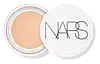
Danessa Myricks Beauty Yummy Skin Blurring Balm Powder Versus NARS Cosmetics Light Reflecting Eye Brightener


What's inside
What's inside
 Key Ingredients
Benefits
Concerns
Ingredients Side-by-side
Magnesium Carbonate
AbsorbentIsohexadecane
EmollientC13-15 Alkane
SolventIsododecane
EmollientDimethicone
Emollient

Squalane
Emollient


Synthetic Wax
Abrasive

Synthetic Candelilla Wax
EmollientKaolin
Abrasive


Tocopheryl Acetate
Antioxidant


Linum Usitatissimum Seed Oil
Perfuming





Zingiber Officinale Root Oil
Masking


Hydrolyzed Sodium Hyaluronate
Skin Conditioning
Glyceryl Behenate
Emollient
Limnanthes Alba Seed Oil
Skin Conditioning
Cera Microcristallina
Emulsion StabilisingPolyethylene
Abrasive
Stearoxy Dimethicone
Emollient
CI 77891
Cosmetic ColorantCI 77491
Cosmetic ColorantCI 77492
Cosmetic ColorantCI 77499
Cosmetic ColorantCI 19140
Cosmetic ColorantMagnesium Carbonate, Isohexadecane, C13-15 Alkane, Isododecane, Dimethicone, Squalane, Synthetic Wax, Synthetic Candelilla Wax, Kaolin, Tocopheryl Acetate, Linum Usitatissimum Seed Oil, Zingiber Officinale Root Oil, Hydrolyzed Sodium Hyaluronate, Glyceryl Behenate, Limnanthes Alba Seed Oil, Cera Microcristallina, Polyethylene, Stearoxy Dimethicone, CI 77891, CI 77491, CI 77492, CI 77499, CI 19140
Polyglyceryl-2 Triisostearate
Emulsifying
Octyldodecanol
Emollient
Kaolin
Abrasive
Polybutene
Mica
Cosmetic ColorantPolyethylene
Abrasive
Caprylic/Capric Triglyceride
Masking
Bidens Pilosa Extract
HumectantIsopropyl Titanium Triisostearate
Emollient
Stearalkonium Hectorite
Gel FormingPropylene Carbonate
SolventAstrocaryum Murumuru Seed Butter
Emollient
Gossypium Herbaceum Seed Oil
Skin Conditioning
Linum Usitatissimum Seed Oil
Perfuming
Tocopherol
Antioxidant

Trihydroxystearin
Skin Conditioning
Ethylhexyl Palmitate
Emollient
Silica Dimethyl Silylate
EmollientButylene Glycol
Humectant
Sodium Hyaluronate
Humectant
Caprylyl Glycol
Emollient
Hexylene Glycol
EmulsifyingTocopheryl Acetate
Antioxidant
Lecithin
Emollient
Phenoxyethanol
Preservative
CI 77163
Cosmetic Colorant
Iron Oxides
CI 77891
Cosmetic ColorantPolyglyceryl-2 Triisostearate, Octyldodecanol, Kaolin, Polybutene, Mica, Polyethylene, Caprylic/Capric Triglyceride, Bidens Pilosa Extract, Isopropyl Titanium Triisostearate, Stearalkonium Hectorite, Propylene Carbonate, Astrocaryum Murumuru Seed Butter, Gossypium Herbaceum Seed Oil, Linum Usitatissimum Seed Oil, Tocopherol, Trihydroxystearin, Ethylhexyl Palmitate, Silica Dimethyl Silylate, Butylene Glycol, Sodium Hyaluronate, Caprylyl Glycol, Hexylene Glycol, Tocopheryl Acetate, Lecithin, Phenoxyethanol, CI 77163, Iron Oxides, CI 77891
Reviews
Ingredients Explained
These ingredients are found in both products.
Ingredients higher up in an ingredient list are typically present in a larger amount.
Ci 77891 is a white pigment from Titanium dioxide. It is naturally found in minerals such as rutile and ilmenite.
It's main function is to add a white color to cosmetics. It can also be mixed with other colors to create different shades.
Ci 77891 is commonly found in sunscreens due to its ability to block UV rays.
Learn more about CI 77891Kaolin is a clay. It is used for oil control and to help minimize pores. Like other clays, kaolin has the ability to absorb excess sebum or oil. This can help clean out pores and mattify the skin.
Some types of kaolin may have exfoliating properties. When water is added to kaolin, it becomes a paste with small abrasive particles.
Most kaolin is a white color, but may be pink/orange/red depending on where it comes from.
The name 'kaolin' comes from a Chinese village named 'Gaoling'. Kaolin clay comes from rocks rich in kaolinite. Kaolinite, the mineral, has a silicate layered structure. Kaolinite is formed from chemical weathering of aluminum siilicate minerals.
Besides skincare, kaolin is commonly used to make glossy paper, in ceramics, toothpaste, and as medicine to soothe stomach issues.
Learn more about KaolinThis ingredient is also known as flaxseed oil or linseed oil. It is created by cold-pressing the seeds of the flax plant and is rich in fatty acids.
This oil is packed with omega-3 (ALA), omega-6, and omega-9 fatty acids that closely mimic the skin's own natural lipid barrier. The high omega-3 content gives it solid anti-inflammatory properties.
Clinical studies have found it can reduce water loss and improve smoothness/hydration, particularly in sensitive skin types. Studies also suggest it helps maintain the lipid layer that is compromised in atopic (eczema-prone) skin.
Wound healing studies showed that low-concentration linseed oil formulations (1-5%) produced significant barrier repair, but it should be noted that high concentrations showed diminishing returns.
This ingredient shows up on a lot of "pore-clogging" lists but there's no real evidence behind that. It doesn't even have a comedogenic rating from an actual study; the numbers you'll find online come from blogs citing other blogs.
Ratings for other ingredients mostly come from a 1980s rabbit ear test. This test doesn't translate well to human skin or to real products because the ingredient sits at a much lower percentage.
Some people still find it breaks them out. So if that's you, definitely trust your skin.
The Malassezia yeast feeds on fatty acids in the C11-24 range, and this ingredient is basically all C16-18 fatty acids. Therefore, this ingredient may not be fungal acne safe.
Learn more about Linum Usitatissimum Seed OilPolyethylene is a synthetic ingredient that helps the skin retain moisture. It is a polymer.
It is also typically used within product formulations to help bind solid ingredients together and thicken oil-based ingredients. When added to balms and emulsions, it helps increase the melting point temperature.
Tocopheryl Acetate is a stable, shelf-friendly form of vitamin E.
Formulators love it because plain vitamin E oxidizes quickly once it hits air. This acetate version stays stable and resists going off, helping to extend a product's shelf life.
It's actually inactive on its own and works like a slow-release "storage" form; the enzymes in your skin called esterases gradually convert it into active vitamin E over time.
One in vivo study showed 5% of the acetate in the living layer of the epidermis converted to vitamin E after 5 days of application. This study also found the skin gained protection against UV damage even though the conversion was slow and small.
Once converted, vitamin E acts as a skin's main fat-soluble antioxidant that fights free radicals to protect skin from damage.
Topical vitamin E generally boosts the skin's photoprotection, and it reduced UV-damage in animal models.
This ingredient has some brightening potential but it's more of a prevention ingredient than spot-fader. Cell studies show it can slow down melanin production but it's worth noting that it's not the most powerful brightener out there.
Overall, it has a pretty solid safety profile and has been found to be non-irritating and non-comedogenic. Allergic reactions may happen but stay rare due to how widely the ingredient gets used.
The concentration will vary depending on the formula; industry data shows 0.1% in baby lotions, 3% in lipsticks, and 5% in foot powders. You can also find this ingredient at 100% in a pure vitamin E oil.
Most leave-on skincare keeps it at the lower end, often between 0.5-1%.
Learn more about Tocopheryl Acetate

