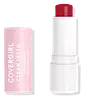
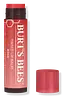
This lip moisturizer is formulated around Cocos Nucifera Oil and Butyrospermum Parkii Butter to hydrate lips.

What's inside
What's inside
 Key Ingredients
Benefits
Concerns
Ingredients Side-by-side
Polybutene
Hydrogenated Polyisobutene
EmollientOctyldodecanol
Emollient
Polyethylene
Abrasive

Caprylic/Capric Triglyceride
Masking


Hydrogenated Poly(C6-14 Olefin)
EmollientDicalcium Phosphate
Abrasive
Microcrystalline Wax
Emulsion StabilisingSynthetic Wax
Abrasive
Stearalkonium Bentonite
Gel FormingPentaerythrityl Tetra-Di-T-Butyl Hydroxyhydrocinnamate
Antioxidant
Propylene Carbonate
SolventPunica Granatum Extract
AstringentRicinus Communis Seed Oil
Masking



Sodium Hyaluronate
Humectant


Mica
Cosmetic ColorantHydrogenated Castor Oil
Emollient
Synthetic Fluorphlogopite
Silica
Abrasive

Tin Oxide
Abrasive
CI 77491
Cosmetic ColorantCI 77492
Cosmetic ColorantCI 77499
Cosmetic ColorantCI 77891
Cosmetic ColorantCI 15850
Cosmetic ColorantCI 19140
Cosmetic ColorantCI 45410
Cosmetic ColorantCI 42090
Cosmetic ColorantPolybutene, Hydrogenated Polyisobutene, Octyldodecanol, Polyethylene, Caprylic/Capric Triglyceride, Hydrogenated Poly(C6-14 Olefin), Dicalcium Phosphate, Microcrystalline Wax, Synthetic Wax, Stearalkonium Bentonite, Pentaerythrityl Tetra-Di-T-Butyl Hydroxyhydrocinnamate, Propylene Carbonate, Punica Granatum Extract, Ricinus Communis Seed Oil, Sodium Hyaluronate, Mica, Hydrogenated Castor Oil, Synthetic Fluorphlogopite, Silica, Tin Oxide, CI 77491, CI 77492, CI 77499, CI 77891, CI 15850, CI 19140, CI 45410, CI 42090
Cocos Nucifera Oil
Masking
Vegetable Oil
Skin Conditioning
Cera Alba
Emollient
Olea Europaea Fruit Oil
Masking
Euphorbia Cerifera Cera
Astringent
Helianthus Annuus Seed Oil
Emollient
Aroma

Lanolin
Emollient
Butyrospermum Parkii Butter
Skin Conditioning
Ricinus Communis Seed Oil
Masking
Ammonium Glycyrrhizate
MaskingTocopherol
Antioxidant


Rosmarinus Officinalis Leaf Extract
AntimicrobialGlycine Soja Oil
Emollient
Canola Oil
Emollient
CI 77491
Cosmetic ColorantCI 77492
Cosmetic ColorantCI 77499
Cosmetic ColorantCI 77891
Cosmetic ColorantCI 75470
Cosmetic ColorantCocos Nucifera Oil, Vegetable Oil, Cera Alba, Olea Europaea Fruit Oil, Euphorbia Cerifera Cera, Helianthus Annuus Seed Oil, Aroma, Lanolin, Butyrospermum Parkii Butter, Ricinus Communis Seed Oil, Ammonium Glycyrrhizate, Tocopherol, Rosmarinus Officinalis Leaf Extract, Glycine Soja Oil, Canola Oil, CI 77491, CI 77492, CI 77499, CI 77891, CI 75470
Reviews
Ingredients Explained
These ingredients are found in both products.
Ingredients higher up in an ingredient list are typically present in a larger amount.
Ci 77491 is also hydrated iron III oxide. It's sole purpose is to give a red/pink hue to products.
Iron III oxides are classified as inorganic chemicals for coloring.
Synthetically created Ci 77491 is considered safer than those naturally found. This is because the synthetically created version may contain less impurities. Iron oxides are generally non-toxic and non-allergenic.
Learn more about CI 77491CI 77492 is also hydrated iron III oxide. It's sole purpose is to give a yellow hue to products.
Iron III oxides are classified as inorganic chemicals for coloring.
Synthetically created CI 77492 is considered safer than those naturally found. This is because the synthetically created version may contain less impurities. Iron oxides are generally non-toxic and non-allergenic.
Learn more about CI 77492Ci 77499 is also hydrated iron III oxide. It is created from mixing red and black iron oxides. This helps give shades of darkness to a product.
Iron III oxides are classified as inorganic chemicals for coloring.
Ci 77891 is a white pigment from Titanium dioxide. It is naturally found in minerals such as rutile and ilmenite.
It's main function is to add a white color to cosmetics. It can also be mixed with other colors to create different shades.
Ci 77891 is commonly found in sunscreens due to its ability to block UV rays.
Learn more about CI 77891This ingredient is also known as castor oil. It is a skin conditioning ingredient.
The star component of castor oil is ricinoleic acid, an unusual fatty acid that makes up ~80-92% of its composition.
In skincare, it is an emollient that dries down to a solid film with water-binding properties. This helps keep skin hydrated and helps reduce transepidermal water loss (TEWL).
A 2026 dermatology review pulls together its broader uses:
Human clinical testing found this ingredient to be non-irritating and non-sensitizing.
Because castor oil contains fatty acids in the C11-24 range, this ingredient may not be fungal acne safe.
At this time, the literature does not support castor oil in regrowing hair. A 2022 systematic review found no strong evidence that it supports hair growth and only weak evidence that it improves hair shine.
Castor oil itself carries "perfuming" and "masking" function tags according to the official CosIng database. This is because of its mild odor and odor-dampening properties.
Learn more about Ricinus Communis Seed Oil

