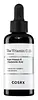
This brightening serum is formulated around Ascorbic Acid and 3-O-Ethyl Ascorbic Acid to brighten dull-looking skin and fade the look of dark spots.
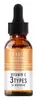
This brightening serum is formulated around 3-O-Ethyl Ascorbic Acid and Ascorbyl Glucoside to brighten dull-looking skin and fade the look of dark spots.


What's inside
What's inside
 Key Ingredients
Benefits
Concerns
Ingredients Side-by-side
Water
Skin ConditioningAscorbic Acid 13%
Antioxidant






Butylene Glycol
Humectant

Dipropylene Glycol
HumectantTromethamine
Buffering3-O-Ethyl Ascorbic Acid
Skin Conditioning

Panthenol
Skin Conditioning
Acetyl Glucosamine
Skin Conditioning
Caffeine
Skin Conditioning
Sodium Hyaluronate
Humectant
Sodium Sulfite
Preservative
Disodium EDTA
Glutathione
Adenosine
Skin Conditioning
Gardenia Florida Fruit Extract
Skin ConditioningAllantoin
Skin Conditioning
Dextrin
AbsorbentSqualane
Emollient
Tocotrienols
Skin Conditioning
Tocopherol
Antioxidant
Elaeis Guineensis Oil
Emollient




Arginine
Masking
Niacinamide
Smoothing


Pentylene Glycol
Skin Conditioning
Glycyrrhiza Glabra Root Extract
Bleaching
Water, Ascorbic Acid 13%, Butylene Glycol, Dipropylene Glycol, Tromethamine, 3-O-Ethyl Ascorbic Acid, Panthenol, Acetyl Glucosamine, Caffeine, Sodium Hyaluronate, Sodium Sulfite, Disodium EDTA, Glutathione, Adenosine, Gardenia Florida Fruit Extract, Allantoin, Dextrin, Squalane, Tocotrienols, Tocopherol, Elaeis Guineensis Oil, Arginine, Niacinamide, Pentylene Glycol, Glycyrrhiza Glabra Root Extract
Water
Skin ConditioningGlycerin
Humectant
Butylene Glycol
Humectant
Hamamelis Virginiana Leaf Water
Astringent
Acacia Senegal Gum Extract
Xanthan Gum
EmulsifyingSodium Polyacryloyldimethyl Taurate
Emulsion Stabilising3-O-Ethyl Ascorbic Acid
Skin Conditioning
Chlorphenesin
Antimicrobial
Phenoxyethanol
Preservative
Sodium Metabisulfite
Antioxidant
Sodium Diethylenetriamine Pentamethylene Phosphonate
Sodium Gluceptate
Ascorbyl Glucoside
Antioxidant
Caprylyl 2-Glyceryl Ascorbate
Antioxidant
Biosaccharide Gum-1
Humectant
Panthenol
Skin Conditioning
Disodium EDTA
Lactobacillus/Lemon Peel Ferment Extract
Skin ConditioningSodium Hyaluronate
Humectant
Water, Glycerin, Butylene Glycol, Hamamelis Virginiana Leaf Water, Acacia Senegal Gum Extract, Xanthan Gum, Sodium Polyacryloyldimethyl Taurate, 3-O-Ethyl Ascorbic Acid, Chlorphenesin, Phenoxyethanol, Sodium Metabisulfite, Sodium Diethylenetriamine Pentamethylene Phosphonate, Sodium Gluceptate, Ascorbyl Glucoside, Caprylyl 2-Glyceryl Ascorbate, Biosaccharide Gum-1, Panthenol, Disodium EDTA, Lactobacillus/Lemon Peel Ferment Extract, Sodium Hyaluronate
Reviews
Ingredients Explained
These ingredients are found in both products.
Ingredients higher up in an ingredient list are typically present in a larger amount.
3-O-Ethyl Ascorbic Acid is one of the most popular "stable" vitamin C derivatives in skincare.
Plain ascorbic acid is fantastic but notoriously fragile; it browns, oxidizes, and loses potency fast. So attaching an ethyl group to the third carbon of the molecule gives it some cool perks:
In a formula, it does the 3 classic vitamin C jobs: it acts as an antioxidant, helps brighten skin tone by inhibiting tyrosinase, and supports collagen.
The evidence is reasonably solid for a cosmetic ingredient; Liao and colleagues (2018) showed it's significantly more stable than ascorbic acid while still being effective.
A 2021 study by Zerbinati and colleagues tested a serum with 30% 3-O-ethyl-l-ascorbic acid and 1% lactic acid significantly increased collagen production, reduced UVB-induced DNA damage, and decreased melanin on a reconstructed pigmented skin model.
Typical real world usage sits around 0.5-5% (and 1-2% is common for daily serums).
Amounts up to 30% have been shown to be non-irritating on human skin samples, but two isolated cases reported allergic contact dermatitis so a patch test is sensible if you have reactive skin.
Learn more about 3-O-Ethyl Ascorbic AcidButylene Glycol (or BG) is used within cosmetic products for a few different reasons:
Overall, Butylene Glycol is a safe and well-rounded ingredient that works well with other ingredients.
Though this ingredient works well with most skin types, some people with sensitive skin may experience a reaction such as allergic rashes, closed comedones, or itchiness.
Learn more about Butylene GlycolDisodium EDTA is a chelating agent. It grabs onto and deactivates metal ions that sneak into your products from water, packaging, or air.
This ingredient mainly works behind the scenes and helps with:
On top of that, this ingredient can counteract the effects of hard water by binding to the minerals in it.
One thing worth knowing is that Disodium EDTA has been shown to be a mild penetration enhancer. It can help other ingredients absorb into skin more effectively which can be a double-edged sword (great for actives, but can also make the active too strong if you have sensitive skin).
Clinical patch testing showed no significant skin irritation at typical use concentrations and minimal dermal absorption.
You'll most likely see this ingredient near the end of an ingredient list. It's typically found in concentrations less than 1%.
Learn more about Disodium EDTAPanthenol is a common ingredient that helps hydrate and soothe the skin. It is found naturally in our skin and hair.
There are two forms of panthenol: D and L.
D-panthenol is also known as dexpanthenol. Most cosmetics use dexpanthenol or a mixture of D and L-panthenol.
Panthenol is famous due to its ability to go deeper into the skin's layers. Using this ingredient has numerous pros (and no cons):
Like hyaluronic acid, panthenol is a humectant. Humectants are able to bind and hold large amounts of water to keep skin hydrated.
This ingredient works well for wound healing. It works by increasing tissue in the wound and helps close open wounds.
Once oxidized, panthenol converts to pantothenic acid. Panthothenic acid is found in all living cells.
This ingredient is also referred to as pro-vitamin B5.
Learn more about PanthenolSodium Hyaluronate is the salt form of hyaluronic acid. It is a long sugar chain that is naturally found in your skin, joints, and connective tissue that maintains hydration and elasticity.
In skincare, it works as a humectant. It pulls water from the environment and deeper layers of skin and binds it to the surface.
Interestingly, the size of the molecule affects its behavior:
Some clinical evidence links low molecular weight versions to improved wrinkle depth, elasticity, anti-inflammatory effects, and barrier repair.
Many serums use a blend of both weights so you can get surface hydration plus longer-lasting and deeper effects.
You'll typically see concentrations between 0.1-2% for this ingredient.
Learn more about Sodium HyaluronateWater. It's the most common cosmetic ingredient of all. You'll usually see it at the top of ingredient lists, meaning that it makes up the largest part of the product.
So why is it so popular? Water most often acts as a solvent - this means that it helps dissolve other ingredients into the formulation.
You'll also recognize water as that liquid we all need to stay alive. If you see this, drink a glass of water. Remember to stay hydrated!
Learn more about Water

