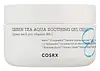
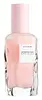
COSRX Green Tea Aqua Soothing Gel Cream Versus Glow Recipe Watermelon Pink Juice Oil-Free Moisturizer
This calming moisturizer is formulated around Camellia Sinensis Leaf Extract and Panthenol to calm redness and hydrate skin.
This calming moisturizer is formulated around Citrullus Lanatus Fruit Extract and Glycyrrhiza Glabra Root Extract to calm redness and hydrate skin.


What's inside
What's inside
 Key Ingredients
Benefits
Concerns
Ingredients Side-by-side
Water
Skin ConditioningPropanediol
Solvent

Camellia Sinensis Leaf Extract
Antimicrobial






Glycerin
Humectant
Pentylene Glycol
Skin Conditioning
1,2-Hexanediol
Skin Conditioning
Acrylates/C10-30 Alkyl Acrylate Crosspolymer
Emulsion StabilisingPanthenol
Skin Conditioning
Tromethamine
BufferingButylene Glycol
Humectant
Cetearyl Olivate


Sorbitan Olivate
Emulsifying
Allantoin
Skin Conditioning
Aloe Ferox Leaf Extract
Skin ConditioningEthylhexylglycerin
Skin ConditioningGlyceryl Acrylate/Acrylic Acid Copolymer
HumectantDisodium EDTA
ChelatingHydrolyzed Hibiscus Esculentus Extract
Skin ConditioningLupinus Albus Seed Extract
Skin ConditioningMoringa Oleifera Seed Extract
Skin Conditioning
Melia Azadirachta Leaf Extract
Skin ConditioningMelia Azadirachta Flower Extract
Skin ConditioningWater, Propanediol, Camellia Sinensis Leaf Extract, Glycerin, Pentylene Glycol, 1,2-Hexanediol, Acrylates/C10-30 Alkyl Acrylate Crosspolymer, Panthenol, Tromethamine, Butylene Glycol, Cetearyl Olivate, Sorbitan Olivate, Allantoin, Aloe Ferox Leaf Extract, Ethylhexylglycerin, Glyceryl Acrylate/Acrylic Acid Copolymer, Disodium EDTA, Hydrolyzed Hibiscus Esculentus Extract, Lupinus Albus Seed Extract, Moringa Oleifera Seed Extract, Melia Azadirachta Leaf Extract, Melia Azadirachta Flower Extract
Water
Skin ConditioningPropanediol
Solvent
Citrullus Lanatus Fruit Extract
Skin Conditioning
Ethyl Olivate
Emollient
Glycyrrhiza Glabra Root Extract
Bleaching
Glycerin
Humectant
Paeonia Suffruticosa Root Extract
Skin ProtectingScutellaria Baicalensis Root Extract
Astringent
Cetearyl Olivate
Sorbitan Olivate
Emulsifying
Glutamic Acid
Humectant
Sodium Hyaluronate
Humectant
Jasminum Grandiflorum Flower Wax
Masking
Cetyl Alcohol
Emollient

Cyamopsis Tetragonoloba Gum
Emulsion StabilisingXanthan Gum
EmulsifyingApricot Kernel Amino Acids
Skin ConditioningAlkanna Tinctoria Root Extract
Skin ConditioningBeta-Glucan
Skin Conditioning
Acrylates/C10-30 Alkyl Acrylate Crosspolymer
Emulsion StabilisingBrassica Oleracea Capitata Leaf Extract
Skin ConditioningIpomoea Batatas Root Extract
Skin ConditioningOlea Europaea Leaf Extract
Perfuming
Hydrolyzed Corn Protein
Skin ConditioningHydrolyzed Soy Protein
Humectant
Hydrolyzed Wheat Protein
Skin ConditioningVaccinium Angustifolium Fruit Extract
Skin Protecting
Fragaria Ananassa Fruit Extract
Skin Conditioning
Rosa Damascena Flower Water
Masking
Pyrus Communis Fruit Extract
Skin ConditioningCucumis Melo Seed Extract
Skin ConditioningIris Florentina Root Extract
MaskingVetiveria Zizanoides Root Extract
Perfuming
Butylene Glycol
Humectant
1,2-Hexanediol
Skin Conditioning
Water, Propanediol, Citrullus Lanatus Fruit Extract, Ethyl Olivate, Glycyrrhiza Glabra Root Extract, Glycerin, Paeonia Suffruticosa Root Extract, Scutellaria Baicalensis Root Extract, Cetearyl Olivate, Sorbitan Olivate, Glutamic Acid, Sodium Hyaluronate, Jasminum Grandiflorum Flower Wax, Cetyl Alcohol, Cyamopsis Tetragonoloba Gum, Xanthan Gum, Apricot Kernel Amino Acids, Alkanna Tinctoria Root Extract, Beta-Glucan, Acrylates/C10-30 Alkyl Acrylate Crosspolymer, Brassica Oleracea Capitata Leaf Extract, Ipomoea Batatas Root Extract, Olea Europaea Leaf Extract, Hydrolyzed Corn Protein, Hydrolyzed Soy Protein, Hydrolyzed Wheat Protein, Vaccinium Angustifolium Fruit Extract, Fragaria Ananassa Fruit Extract, Rosa Damascena Flower Water, Pyrus Communis Fruit Extract, Cucumis Melo Seed Extract, Iris Florentina Root Extract, Vetiveria Zizanoides Root Extract, Butylene Glycol, 1,2-Hexanediol
Reviews
Ingredients Explained
These ingredients are found in both products.
Ingredients higher up in an ingredient list are typically present in a larger amount.
1,2-Hexanediol is a synthetic liquid and another multi-functional powerhouse.
It is a:
- Humectant, drawing moisture into the skin
- Emollient, helping to soften skin
- Solvent, dispersing and stabilizing formulas
- Preservative booster, enhancing the antimicrobial activity of other preservatives
Acrylates/C10-30 Alkyl Acrylate Crosspolymer is a synthetic polymer. It is used to thicken, emulsify, and improve the texture of products.
As an emulsifier, it helps stabilize oil-in-water emulsions to give products an elegant feel when applied.
It can also form a thin protective film on skin. One study found that a formula using this polymer helped slow down how quickly other ingredients (like DEET) were absorbed through skin.
A 2024 study of over 1,300 patients confirmed that sensitization to this ingredient is rare. It is also non-mutagenic and has a clean track record.
Learn more about Acrylates/C10-30 Alkyl Acrylate CrosspolymerButylene Glycol (or BG) is used within cosmetic products for a few different reasons:
Overall, Butylene Glycol is a safe and well-rounded ingredient that works well with other ingredients.
Though this ingredient works well with most skin types, some people with sensitive skin may experience a reaction such as allergic rashes, closed comedones, or itchiness.
Learn more about Butylene GlycolCetearyl Olivate is a plant-derived emulsifier and texture enhancer. It helps keep the oil and water phases from separating so your formulas stay stable.
You'll likely see it combined with Sorbitan Olivate (together sold as the trade name Olivem 1000). This combination generates a liquid crystal structure that closely resemble the lipid organization of the stratum corneum.
These "skin-like" liquid crystals improve skin barrier integrity and promote the delivery of actives into the skin.
This ingredient is well-tolerated and has no significant sensitization data.
Because it is derived from the fatty acids in olive oil, this ingredient may not be fungal acne safe.
Learn more about Cetearyl OlivateGlycerin (or glycerol) is a compound naturally found in your skin. It's a powerhouse humectant that pulls water into the stratum corneum.
Topically, glycerin does several things at once:
Your skin makes glycerin on its own (mostly from sebaceous oil breakdown) and shuttles it to your outermost layer of skin, or your epidermis, via aquaporin-3.
Aquaporin-3 is a transporter that is essential for normal skin hydration, elasticity, and repair. Interestingly, mice lacking in AQP3 have dry and less elastic skin that can be fully corrected with glycerin.
This ingredient is non-irritating, plays well with almost every ingredient, and works across all skin types. Typical use is anywhere between 3-10% but can go up to 79% in some leave-on products.
Just know very high concentrations (>40%) can feel tacky in low humidity.
Glycerin is the name for this ingredient in American English. British English uses Glycerol/Glycerine.
Learn more about GlycerinPropanediol is an all-star ingredient. It softens, hydrates, and smooths the skin.
It’s often used to:
Propanediol is not likely to cause sensitivity and considered safe to use. It is derived from corn or petroleum with a clear color and no scent.
Learn more about PropanediolSorbitan Olivate is created from the fatty acids in olive oil and sorbitol.
This ingredient is an oil in water emulsifier. It helps stabilize a product by preventing oils and waters from separating. Sorbitan Olivate also helps hydrate the skin.
This ingredient is also known as part of Olivem 1000, with Cetearyl Olivate being the other part.
According to a manufacturer, this ingredient helps preserve the natural microbiome of skin. Having a healthy microbiome helps keep our skin healthy and protects against harmful bacteria.
Please note, having a healthy microbiome is different from fungal acne; a healthy microbiome includes small amounts of yeast that normally live on your skin without causing problems.
Fungal acne happens when one type of yeast (Malassezia) grows out of control. This is usually because it's feeding on certain oils or fatty acids. Due to the olive oil base, this ingredient may not be fungal acne safe.
Learn more about Sorbitan OlivateWater. It's the most common cosmetic ingredient of all. You'll usually see it at the top of ingredient lists, meaning that it makes up the largest part of the product.
So why is it so popular? Water most often acts as a solvent - this means that it helps dissolve other ingredients into the formulation.
You'll also recognize water as that liquid we all need to stay alive. If you see this, drink a glass of water. Remember to stay hydrated!
Learn more about Water


