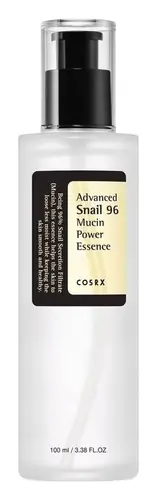
This hydrating essence is formulated around Snail Secretion Filtrate and Allantoin to hydrate skin and calm redness.
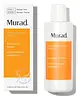
This brightening toner is formulated around Ascorbic Acid and Dipotassium Glycyrrhizate to brighten dull-looking skin and calm redness.


What's inside
What's inside
 Key Ingredients
Benefits
Concerns
No concerns
Ingredients Side-by-side


Water
Skin ConditioningButylene Glycol
Humectant

Hamamelis Virginiana Water
Astringent



PEG-40 Hydrogenated Castor Oil
Emulsifying

Sodium PCA
Humectant
Betaine
Humectant
Sorbitol
Humectant
Glycine
Buffering
Alanine
Masking
Proline
Skin Conditioning
Serine
Masking
Threonine
Arginine
Masking
Lysine
Skin ConditioningGlutamic Acid
Humectant
Rice Amino Acids
Skin Conditioning
Zinc Aspartate
Skin ConditioningDipotassium Glycyrrhizate
Humectant
PEG-12 Dimethicone
Skin Conditioning
Phospholipids
Skin Conditioning
Tocopheryl Acetate
Antioxidant


Retinyl Palmitate
Skin Conditioning

Ascorbyl Palmitate
Antioxidant
Ascorbic Acid
Antioxidant

Chitosan
Propyl Gallate
Antioxidant

Citrus Aurantium Amara Flower Extract
RefreshingEchinacea Purpurea Extract
MoisturisingCitrus Aurantium Dulcis Fruit Extract
MaskingSodium Polyaspartate
HumectantBenzophenone-4
UV Absorber
Polyquaternium-4
Disodium EDTA
ChelatingCitric Acid
Buffering
Phenoxyethanol
Preservative
Caprylyl Glycol
Emollient
Chlorphenesin
Antimicrobial
Limonene
Perfuming
Linalool
Perfuming
Citrus Aurantium Dulcis Peel Oil
Masking
Citrus Nobilis Peel Oil
Masking
Orbignya Oleifera Seed Oil
Emollient
Citrus Grandis Peel Oil
Masking
Ferula Galbaniflua Resin Oil
Antimicrobial
Parfum
Masking
CI 42053
Cosmetic ColorantWater, Butylene Glycol, Hamamelis Virginiana Water, PEG-40 Hydrogenated Castor Oil, Sodium PCA, Betaine, Sorbitol, Glycine, Alanine, Proline, Serine, Threonine, Arginine, Lysine, Glutamic Acid, Rice Amino Acids, Zinc Aspartate, Dipotassium Glycyrrhizate, PEG-12 Dimethicone, Phospholipids, Tocopheryl Acetate, Retinyl Palmitate, Ascorbyl Palmitate, Ascorbic Acid, Chitosan, Propyl Gallate, Citrus Aurantium Amara Flower Extract, Echinacea Purpurea Extract, Citrus Aurantium Dulcis Fruit Extract, Sodium Polyaspartate, Benzophenone-4, Polyquaternium-4, Disodium EDTA, Citric Acid, Phenoxyethanol, Caprylyl Glycol, Chlorphenesin, Limonene, Linalool, Citrus Aurantium Dulcis Peel Oil, Citrus Nobilis Peel Oil, Orbignya Oleifera Seed Oil, Citrus Grandis Peel Oil, Ferula Galbaniflua Resin Oil, Parfum, CI 42053
Reviews
Ingredients Explained
These ingredients are found in both products.
Ingredients higher up in an ingredient list are typically present in a larger amount.
Arginine is a semi-essential amino acid. This just means our bodies can product a bit on its own, but sometimes needs a little boost from food sources.
It is a part of your skin's natural moisturizing factor (NMF), or the water-loving molecules in your outermost layer of skin (stratum corneum) that keeps everything hydrated and happy.
Here's an interesting thing about Arginine: your skin converts it into urea through the Krebs-Henseleit urea cycle. Urea is one of the most effective humectants your skin naturally produces.
A clinical study showed applying 2.5% arginine hydrochloride to atopic dermatitis skin showed significant urea levels in the stratum corneum and improved moisture in just four weeks.
Arginine is also a precursor to nitric oxide; nitric oxide improves microcirculation and supports wound healing and collagen synthesis.
One study found that an amino acid complex containing Arginine reduced skin irritation, improved hydration, and accelerated skin repair in clinical / in-vivo studies.
Arginine itself is an amino acid and not a fatty acid, oil, or ester. On its own, it's not a direct food source for Malassezia, or the yeast that causes fungal acne.
Learn more about ArginineBetaine is a humectant. Like hyaluronic acid, it helps attract and retain moisture in the skin. It’s known for being gentle and for helping the skin maintain balanced hydration.
Betaine is mainly used to improve hydration and support calmer skin. It helps skin cells regulate water balance because it functions as an osmolyte.
Some studies suggest betaine may support making skin tone more even.
Fun fact: Betaine naturally exists in the skin and the body. In cosmetic products, it can be either plant-derived (most commonly from sugar beets) or synthetically produced for consistency and stability.
Betaine is also known as trimethylglycine.
Learn more about BetaineButylene Glycol (or BG) is used within cosmetic products for a few different reasons:
Overall, Butylene Glycol is a safe and well-rounded ingredient that works well with other ingredients.
Though this ingredient works well with most skin types, some people with sensitive skin may experience a reaction such as allergic rashes, closed comedones, or itchiness.
Learn more about Butylene GlycolPhenoxyethanol is one of the most widely used preservatives in skincare (and for good reason!).
It has a large spectrum of antimicrobial activity and especially effective bacteria, yeast, and mold while only having a weak effect on your skin's natural microbiome.
On a cellular level, it disrupts the cell membranes of microbes by poking holes that make the cell leak. This shuts down the chemical reactions the microbe needs to make energy so it can no longer survive.
Another perk of this ingredient is that it stays functional across a wide pH range (3-10).
You'll often see it paired with boosters like Ethylhexylglycerin; one study showed that a 1:9 ratio of Ethylhexylglycerin to Phenoxyethanol damages bacterial membranes as effectively as doubling the Phenoxyethanol concentration on its own.
Typical use concentrations range from 0.3-1% depending on the formula, and this ingredient is capped at 1% int the EU.
Safety-wise, the fear mongering does not hold up to the evidence. The EU's Scientific Committee on Consumer Safety and FDA consider it safe as a preservative at up to 1%, including for children of all ages.
Adverse systemic effects only showed up in animal studies at exposures roughly 200x higher than what people get from cosmetics. And despite its very widespread use, this ingredient is a rare sensitizer and allergic reactions are uncommon.
Learn more about PhenoxyethanolWater. It's the most common cosmetic ingredient of all. You'll usually see it at the top of ingredient lists, meaning that it makes up the largest part of the product.
So why is it so popular? Water most often acts as a solvent - this means that it helps dissolve other ingredients into the formulation.
You'll also recognize water as that liquid we all need to stay alive. If you see this, drink a glass of water. Remember to stay hydrated!
Learn more about Water

