This brightening serum is formulated around Sodium Ascorbyl Phosphate and Aloe Barbadensis Leaf Extract to brighten dull-looking skin and calm redness.
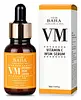
This brightening serum is formulated around Ascorbic Acid and Tetrahexyldecyl Ascorbate to brighten dull-looking skin and fade the look of dark spots.


What's inside
What's inside
 Key Ingredients
Benefits
Concerns
No concerns
Ingredients Side-by-side
Aloe Barbadensis Leaf Extract
Emollient


Propanediol
Solvent
Sodium Ascorbyl Phosphate
Antioxidant






Glycereth-26
Humectant
Dimethyl Sulfone
Solvent1,2-Hexanediol
Skin Conditioning
Betaine
Humectant
Hydrogenated Lecithin
Emulsifying
Tocopheryl Acetate
Antioxidant
Ferulic Acid
Antimicrobial
Allantoin
Skin Conditioning
Sodium Hyaluronate
Humectant
Dipotassium Glycyrrhizate
Humectant
Hydroxyethylcellulose
Emulsion StabilisingXanthan Gum
EmulsifyingCitric Acid
Buffering

Camellia Sinensis Leaf Extract
Antimicrobial
Sambucus Nigra Flower Extract
RefreshingMomordica Charantia Fruit Extract
Skin ConditioningLeontopodium Alpinum Extract
Skin ConditioningAloe Barbadensis Leaf Extract, Propanediol, Sodium Ascorbyl Phosphate, Glycereth-26, Dimethyl Sulfone, 1,2-Hexanediol, Betaine, Hydrogenated Lecithin, Tocopheryl Acetate, Ferulic Acid, Allantoin, Sodium Hyaluronate, Dipotassium Glycyrrhizate, Hydroxyethylcellulose, Xanthan Gum, Citric Acid, Camellia Sinensis Leaf Extract, Sambucus Nigra Flower Extract, Momordica Charantia Fruit Extract, Leontopodium Alpinum Extract
Water
Skin ConditioningAscorbic Acid
Antioxidant
Ethoxydiglycol
HumectantDimethyl Isosorbide
SolventGlycerin
Humectant
Pentylene Glycol
Skin Conditioning
Tetrahexyldecyl Ascorbate
Antioxidant
Magnesium Ascorbyl Phosphate
Antioxidant
Astaxanthin
Skin Conditioning
Bisabolol
Antioxidant
Hydroxyethylcellulose
Emulsion StabilisingErgothioneine
Antioxidant
Zinc Sulfate
Antimicrobial
Resveratrol
Antioxidant
Glutathione
Ferulic Acid
Antimicrobial
Glycyrrhiza Glabra Root Extract
Bleaching
Camellia Sinensis Leaf Extract
Antimicrobial
Arctostaphylos Uva Ursi Leaf Extract
Skin Conditioning
Zingiber Officinale Root Extract
Masking
Tocopherol
Antioxidant
Sclerotium Gum
Emulsion StabilisingPhenoxyethanol
Preservative
Ethylhexylglycerin
Skin ConditioningWater, Ascorbic Acid, Ethoxydiglycol, Dimethyl Isosorbide, Glycerin, Pentylene Glycol, Tetrahexyldecyl Ascorbate, Magnesium Ascorbyl Phosphate, Astaxanthin, Bisabolol, Hydroxyethylcellulose, Ergothioneine, Zinc Sulfate, Resveratrol, Glutathione, Ferulic Acid, Glycyrrhiza Glabra Root Extract, Camellia Sinensis Leaf Extract, Arctostaphylos Uva Ursi Leaf Extract, Zingiber Officinale Root Extract, Tocopherol, Sclerotium Gum, Phenoxyethanol, Ethylhexylglycerin
Reviews
Ingredients Explained
These ingredients are found in both products.
Ingredients higher up in an ingredient list are typically present in a larger amount.
Camellia Sinensis Leaf Extract (tea extract) is one of the most well-researched plant extracts in skincare with an impressive resume.
Black tea, green tea, and oolong tea are all harvested from the Camellia Sinensis plant.
Studies show green tea extract and its catechins (like epigallocatechin gallate (EGCG)) help your skin cells product energy more efficiently and reducing the number of free-radicals that can damage your skin from the inside.
In lab-grown skin models, this translated to younger, healthier, and stronger skin.
There's also good sun protection data; researchers saw less DNA damage and redness on human skin when green tea was applied before UVB exposure. And the more they applied, the better the protection.
Needless to say, this ingredient shouldn't replace your sunscreen. But it is a great supportive ingredient that you can already find in many sunscreens and antioxidant serums.
A 2009 study found a 2% green tea lotion was effective for mild-to-moderate acne thanks to its anti-inflammatory and mild antimicrobial activity.
The quality of the extract matters a lot here:
Good extracts contain 50-90% catechins while lower quality ones are mostly there for marketing. We recommend reaching out to the brand if you have questions about the quality or source of their ingredients.
Human Repeated Insult Patch Testing showed no irritation or sensitization at use concentrations (0.86% in leave-on products and up to 30% as leaf water).
Learn more about Camellia Sinensis Leaf ExtractFerulic Acid is a plant based antioxidant that can be naturally found in the cell walls of grains like rice, oats, and corn. It has antioxidant and antimicrobial properties, and has the ability to boost the performance of other antioxidants as well.
A well-known study found that adding Ferulic Acid to a solution of Vitamins C and E doubled the photoprotection of skin. This is why you'll often see it paired with Vitamin C or Vitamin E serums rather than sold on its own.
A 2025 review of 18 human studies found that using Ferulic Acid (0.5-1%) daily for one to three months showed improvements in:
As far as allergies go, Ferulic acid is generally well-tolerated but can cause an allergic reaction in very rare cases. It's also worth noting that Ferulic acid is often extracted from plant sources like rice bran or wheat bran, so be sure to path test if you have known grain allergies.
Outside of skincare, researchers are also looking into Ferulic Acid for its potential benefits in areas like diabetes, Alzheimer's, and heart health.
Learn more about Ferulic AcidHydroxyethylcellulose is used to improve the texture of products. It is created from a chemical reaction involving ethylene oxide and alkali-cellulose. Cellulose is a sugar found in plant cell walls and help give plants structure.
This ingredient helps stabilize products by preventing ingredients from separating. It can also help thicken the texture of a product.
This ingredient can also be found in pill medicines to help our bodies digest other ingredients.
Learn more about Hydroxyethylcellulose

