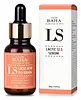
This smoothing serum is formulated around Lactic Acid and Aloe Barbadensis Leaf Extract to refine skin texture and brighten dull-looking skin.
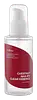
This smoothing essence is formulated around Glycolic Acid and Lactic Acid to refine skin texture and brighten dull-looking skin.

What's inside
What's inside
 Key Ingredients
Benefits
Concerns
Ingredients Side-by-side
Water
Skin ConditioningGlycolic Acid
Buffering











Lactic Acid
Buffering
Butylene Glycol
Humectant

Glycerin
Humectant
Potassium Hydroxide
Buffering1,2-Hexanediol
Skin Conditioning
Castanea Crenata Shell Extract
Skin ConditioningPanthenol
Skin Conditioning

Sodium Hyaluronate
Humectant
Centella Asiatica Extract
Cleansing
Asiaticoside
Antioxidant
Asiatic Acid
Skin Conditioning
Madecassic Acid
Skin Conditioning
Madecassoside
Antioxidant
Portulaca Oleracea Extract
Skin Conditioning
Allantoin
Skin Conditioning
Paeonia Suffruticosa Root Extract
Skin ProtectingCaprylic/Capric Triglyceride
Masking
Hydrogenated Phosphatidylcholine
Emulsifying
Sucrose Stearate
EmollientCetearyl Alcohol
Emollient



Glyceryl Caprylate
EmollientHydroxyethylcellulose
Emulsion StabilisingEthylhexylglycerin
Skin ConditioningWater, Glycolic Acid, Lactic Acid, Butylene Glycol, Glycerin, Potassium Hydroxide, 1,2-Hexanediol, Castanea Crenata Shell Extract, Panthenol, Sodium Hyaluronate, Centella Asiatica Extract, Asiaticoside, Asiatic Acid, Madecassic Acid, Madecassoside, Portulaca Oleracea Extract, Allantoin, Paeonia Suffruticosa Root Extract, Caprylic/Capric Triglyceride, Hydrogenated Phosphatidylcholine, Sucrose Stearate, Cetearyl Alcohol, Glyceryl Caprylate, Hydroxyethylcellulose, Ethylhexylglycerin
Reviews
Ingredients Explained
These ingredients are found in both products.
Ingredients higher up in an ingredient list are typically present in a larger amount.
1,2-Hexanediol is a synthetic liquid and another multi-functional powerhouse.
It is a:
- Humectant, drawing moisture into the skin
- Emollient, helping to soften skin
- Solvent, dispersing and stabilizing formulas
- Preservative booster, enhancing the antimicrobial activity of other preservatives
Hydroxyethylcellulose is used to improve the texture of products. It is created from a chemical reaction involving ethylene oxide and alkali-cellulose. Cellulose is a sugar found in plant cell walls and help give plants structure.
This ingredient helps stabilize products by preventing ingredients from separating. It can also help thicken the texture of a product.
This ingredient can also be found in pill medicines to help our bodies digest other ingredients.
Learn more about HydroxyethylcelluloseLactic Acid is another well-loved alpha hydroxy acid (AHA). It is gentler than glycolic acid but still highly effective.
Its main role is to exfoliate the surface of the skin by loosening the “glue” that holds dead skin cells together. Shedding those old cells leads to smoother, softer, and more even-toned skin.
Because lactic acid molecules are larger than glycolic acid, they don’t penetrate as deeply. This means they’re less likely to sting or irritate, making it a great choice for beginners or those with sensitive skin.
Like glycolic acid, it can:
Lactic acid also acts as a humectant (like hyaluronic acid). It can draw water into the skin to improve hydration and also plays a role in the skin's natural moisturizing factor (NMF) in the form of sodium lactate.
Studies show it can boost ceramide production to strengthen the skin barrier and even help balance the skin’s microbiome.
To get results, choose products with a pH between 3-4.
Lower strengths (5-12%) focus on surface exfoliation; higher strengths (12% and up) can reach deeper in the dermis (deeper, supportive layer) to improve skin texture and firmness over time.
Though it was originally derived from milk, most modern lactic acid used in skincare is vegan. It is made through non-dairy fermentation to create a bio-identical and stable form suitable for all formulations.
When lactic acid shows up near the end of an ingredient list, it usually means the brand added just a tiny amount to adjust the product’s pH.
Legend has it that Cleopatra used to bathe in sour milk to help reduce wrinkles.
Lactic acid is truly a gentle multitasker: it exfoliates, hydrates, strengthens, and brightens. It's a great ingredient for giving your skin a smooth, glowing, and healthy look without the harshness of stronger acids.
Read more about some other popular AHA's here:
Learn more about Lactic Acid

