COOLA Mineral Organic Sunscreen Stick SPF 50 Versus COOLA Classic Organic Sunscreen Stick SPF 30 Tropical Coconut
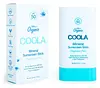
This hybrid sunscreen covers the full UV range and blocks ~98% of UVB at SPF 50.
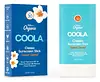
This chemical sunscreen covers most of the UV range, lighter on the deep UVA that drives aging.

What's inside
What's inside
 Key Ingredients
Benefits
Concerns
Ingredients Side-by-side
Zinc Oxide 13.63%
Cosmetic Colorant


Helianthus Annuus Seed Oil
Emollient



Caprylic/Capric Triglyceride
Masking

Copernicia Cerifera Wax
Ozokerite
Emulsion StabilisingPolymethylsilsesquioxane

Capryloyl Glycerin/Sebacic Acid Copolymer
Skin ConditioningSilica
Abrasive

Trimethoxybenzylidene Pentanedione
Antioxidant
Butyrospermum Parkii Butter
Skin Conditioning


1,2-Hexanediol
Skin Conditioning
Dimethicone
Emollient
Ethyl Ferulate
Antioxidant
Triethoxycaprylylsilane
Polyhydroxystearic Acid
Emulsifying
Limnanthes Alba Seed Oil
Skin Conditioning
Mauritia Flexuosa Fruit Oil
Skin Conditioning
Rubus Idaeus Seed Oil
Emollient
Opuntia Ficus-Indica Seed Oil
Emollient
Zinc Oxide 13.63%, Helianthus Annuus Seed Oil, Caprylic/Capric Triglyceride, Copernicia Cerifera Wax, Ozokerite, Polymethylsilsesquioxane, Capryloyl Glycerin/Sebacic Acid Copolymer, Silica, Trimethoxybenzylidene Pentanedione, Butyrospermum Parkii Butter, 1,2-Hexanediol, Dimethicone, Ethyl Ferulate, Triethoxycaprylylsilane, Polyhydroxystearic Acid, Limnanthes Alba Seed Oil, Mauritia Flexuosa Fruit Oil, Rubus Idaeus Seed Oil, Opuntia Ficus-Indica Seed Oil
Butyl Methoxydibenzoylmethane
UV Absorber
Ethylhexyl Salicylate
UV Absorber
1,2-Hexanediol
Skin Conditioning
Bisabolol
Antioxidant

Bis-Octyldodecyl Dimer Dilinoleate/Propanediol Copolymer
EmollientBrassica Campestris Seed Oil
Skin Conditioning
Camelina Sativa Seed Oil
Skin Conditioning
Camellia Oleifera Seed Oil
Skin Conditioning
Caprylic/Capric Triglyceride
Masking
Carthamus Tinctorius Seed Oil
Masking
Dimethylheptenal
Perfuming

Gamma-Nonalactone
Masking
Gamma-Octalactone
Perfuming
Hydroxystearic Acid
Cleansing
Limnanthes Alba Seed Oil
Skin Conditioning
Maltol
MaskingMauritia Flexuosa Fruit Oil
Skin Conditioning
Opuntia Ficus-Indica Flower Extract
Skin ConditioningPolyester-8
Skin Conditioning
Rubus Idaeus Seed Oil
Emollient
Silica Dimethyl Silylate
EmollientTrans-2-Hexenal
Perfuming
Triethyl Citrate
Masking
Vanillin
Masking
Butyl Methoxydibenzoylmethane, Ethylhexyl Salicylate, 1,2-Hexanediol, Bisabolol, Bis-Octyldodecyl Dimer Dilinoleate/Propanediol Copolymer, Brassica Campestris Seed Oil, Camelina Sativa Seed Oil, Camellia Oleifera Seed Oil, Caprylic/Capric Triglyceride, Carthamus Tinctorius Seed Oil, Dimethylheptenal, Gamma-Nonalactone, Gamma-Octalactone, Hydroxystearic Acid, Limnanthes Alba Seed Oil, Maltol, Mauritia Flexuosa Fruit Oil, Opuntia Ficus-Indica Flower Extract, Polyester-8, Rubus Idaeus Seed Oil, Silica Dimethyl Silylate, Trans-2-Hexenal, Triethyl Citrate, Vanillin
Alternatives
Ingredients Explained
These ingredients are found in both products.
Ingredients higher up in an ingredient list are typically present in a larger amount.
1,2-Hexanediol is a synthetic liquid and another multi-functional powerhouse.
It is a:
- Humectant, drawing moisture into the skin
- Emollient, helping to soften skin
- Solvent, dispersing and stabilizing formulas
- Preservative booster, enhancing the antimicrobial activity of other preservatives
Caprylic/Capric Triglyceride (aka MCT Oil) is a lightweight emollient, solvent, and texture enhancer. It is considered a skin-softener by helping to prevent moisture loss.
Though it behaves like an oil, it is not technically one due to its chemical composition. One perk of this ingredient is that it is very stable, resistant to oxidation, and unlikely to go rancid.
In practice, that translates to a long shelf life and a consistently elegant skin feel.
While there is an assumption Caprylic Triglyceride can clog pores due to it being derived from coconut oil, there is no research supporting this. Just patch test if you have concerns.
Fractionated coconut oil and MCT Oil are both listed as Caprylic/Capric Triglyceride according to INCI. This is because INCI names are based on the ingredient’s final chemical composition and not its marketing name or source.
This ingredient is treated as the gold standard fungal acne safe oil. Even though it is coconut derived, the problematic lauric acid is stripped out.
This leaves just caprylic (C8) and capric (C10) acid. These chain lengths actually trend antifungal; a 2020 study found caprylic acid was enough to disrupt Malassezia furfur cell membrane, with a caprylic acid derivative damaging membrane structures at concentrations as low as 0.2%.
Learn more about Caprylic/Capric TriglycerideLimnanthes Alba Seed Oil is from the seeds of the meadowfoam plant. It is a skin conditioning agent and emollient that sits on top of skin to soften and hydrate it.
Over 98% of the oil is made up of long-chain fatty acids, mostly aachidic acid (61%), docosenoic acid (~16%), and docosadienoic acid (~18%).
This combination is not really found in any other plant oil and is the reason this is one of the most stable botanical oils available.
Some studies show it to be more stable than jojoba oil, helps a product resist going rancid, and can help extend the shelf life of a formula.
It also naturally contains vitamin E and phytosterols that give it a mild antioxidant benefit.
This ingredient is typically used from around 1% to fairly high levels since it's gentle; it's well-tolerated and low on the irritation scale.
Learn more about Limnanthes Alba Seed OilMauritia Flexuosa Fruit Oil is the red-orange oil from the pulp of the buriti palm, an Amazonian tree also known as moriche or aguaje.
If you have ever seen an oil that looks like liquid sunset in a bottle, this is probably it. The color comes from carotenoids and buriti is one of the most carotenoid-loaded oils in cosmetics.
Fatty acid-wise, it's a fairly plain high oleic oil (~73-80% oleic, ~15-21% palmitic). So it behaves like the olive and avocado oils of the world: rich, cushiony, good at softening skin and slowing water loss.
Human data is thin but reassuring on the irritation front: a cream containing buriti oil plus a few other Peruvian plant oils caused no irritation or sensitisation over 28 days of daily use. There are also no published allergy case reports for it either.
The most common complaint is that this ingredient can tint skin and stain pillowcases at higher percentages.
There is a widely quoted SPF 49 result but that came from a nanoemulsion that had actual chemical sunscreens in it, so the SPF is not the oil's. Don't treat this ingredient as a sunscreen replacement.
This ingredient shows up on a lot of "pore-clogging" lists but there's no real evidence behind that. It doesn't even have a comedogenic rating from an actual study; the numbers you'll find online come from blogs citing other blogs.
Ratings for other ingredients mostly come from a 1980s rabbit ear test. This test doesn't translate well to human skin or to real products because the ingredient sits at a much lower percentage.
Some people still find it breaks them out. So if that's you, definitely trust your skin.
Since this ingredient is built on oleic and palmitic acid, it may not be fungal acne safe. This is exactly what the Malassezia yeast feeds on.
Learn more about Mauritia Flexuosa Fruit OilRubus Idaeus Seed Oil is created from the seeds of the raspberry fruit. Raspberries are native to northern Europe and Asia.
Raspberry seed oil is an emollient with antioxidant and anti-inflammatory properties. It is rich in fatty acids, tocopherols, flavonoids, Vitamin C, and Vitamin E.
As an emollient, raspberry seed oil helps hydrate your skin. Emollients prevent moisture from evaporating by creating a film on top.
Learn more about Rubus Idaeus Seed Oil

