

What's inside
What's inside
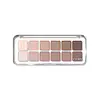 Key Ingredients

Benefits
Concerns
Ingredients Side-by-side
Talc
Abrasive
Mica
Cosmetic ColorantAluminum Starch Octenylsuccinate
Absorbent
CI 77742
Cosmetic ColorantHydrogenated Polyisobutene
EmollientCI 77891
Cosmetic ColorantHdi/Trimethylol Hexyllactone Crosspolymer
Polymethyl Methacrylate
CI 77492
Cosmetic ColorantCI 77491
Cosmetic ColorantCI 77499
Cosmetic ColorantMethylpropanediol
SolventMagnesium Myristate


Propanediol
Solvent

Magnesium Stearate
Cosmetic ColorantHydrogenated Lecithin
Emulsifying
Aluminum Hydroxide
EmollientMicrocrystalline Cellulose
AbsorbentDimethicone
Emollient

Methicone
Emollient
Silica
Abrasive
Triethoxycaprylylsilane
Water
Skin ConditioningCI 75470
Cosmetic ColorantCI 77007
Cosmetic ColorantTalc, Mica, Aluminum Starch Octenylsuccinate, CI 77742, Hydrogenated Polyisobutene, CI 77891, Hdi/Trimethylol Hexyllactone Crosspolymer, Polymethyl Methacrylate, CI 77492, CI 77491, CI 77499, Methylpropanediol, Magnesium Myristate, Propanediol, Magnesium Stearate, Hydrogenated Lecithin, Aluminum Hydroxide, Microcrystalline Cellulose, Dimethicone, Methicone, Silica, Triethoxycaprylylsilane, Water, CI 75470, CI 77007
Synthetic Fluorphlogopite
Talc
Abrasive
Cellulose
Absorbent
Silica
Abrasive
Diisostearyl Malate
EmollientBoron Nitride
Absorbent
Polyglyceryl-2 Triisostearate
Emulsifying

Ethylhexyl Palmitate
Emollient
Ricinus Communis Seed Oil
Masking

Caprylyl Glycol
Emollient
Octyldodecanol
Emollient
Shorea Robusta Resin
TonicPotassium Sorbate
Preservative
Chlorphenesin
Antimicrobial
Hydrogenated Castor Oil
Emollient
Aluminum Hydroxide
EmollientAluminum Dimyristate
Emulsion StabilisingMagnesium Stearate
Cosmetic ColorantTocopheryl Acetate
Antioxidant


Triethoxycaprylylsilane
Tin Oxide
Abrasive
CI 75470
Cosmetic ColorantCI 77000
Cosmetic ColorantCI 77007
Cosmetic ColorantCI 77163
Cosmetic Colorant
CI 77288
Cosmetic ColorantCI 77491
Cosmetic ColorantCI 77492
Cosmetic ColorantCI 77499
Cosmetic ColorantCI 77510
Cosmetic ColorantCI 77742
Cosmetic ColorantCI 77891
Cosmetic ColorantMica
Cosmetic ColorantSynthetic Fluorphlogopite, Talc, Cellulose, Silica, Diisostearyl Malate, Boron Nitride, Polyglyceryl-2 Triisostearate, Ethylhexyl Palmitate, Ricinus Communis Seed Oil, Caprylyl Glycol, Octyldodecanol, Shorea Robusta Resin, Potassium Sorbate, Chlorphenesin, Hydrogenated Castor Oil, Aluminum Hydroxide, Aluminum Dimyristate, Magnesium Stearate, Tocopheryl Acetate, Triethoxycaprylylsilane, Tin Oxide, CI 75470, CI 77000, CI 77007, CI 77163, CI 77288, CI 77491, CI 77492, CI 77499, CI 77510, CI 77742, CI 77891, Mica
Ingredients Explained
These ingredients are found in both products.
Ingredients higher up in an ingredient list are typically present in a larger amount.
Aluminum Hydroxide is a form of aluminum. It can be naturally found in nature as the mineral gibbsite. In cosmetics, Aluminum Hydroxide is used as a colorant, pH adjuster, and absorbent.
As a colorant, Aluminum Hydroxide may add opacity, or reduce the transparency. Aluminum hydroxide is contains both basic and acidic properties.
According to manufacturers, this ingredient is an emollient and humectant. This means it helps hydrate the skin.
In medicine, this ingredient is used to help relieve heartburn and help heal ulcers.
There is currently no credible scientific evidence linking aluminum hydroxide in cosmetics to increased cancer risk.
Major health organizations allow the use of aluminum hydroxide in personal care products and have not flagged it as a carcinogenic risk at typical usage levels.
Learn more about Aluminum HydroxideCi 75470 is a bright-red pigment. It is AKA carmine.
Carmine is derived from insects such as the cochineal beetle. This ingredient has been used as a natural dye for over 2000 years.
This pigment is called Ultramarine blue lazurite. It gives a saturated blue color, but can be used to create other colors as well.
According to the manufacturer, it is usually made from kaolin, sodium sulfate, sodium carbonate, sulfur, and charcoal.
Ci 77491 is also hydrated iron III oxide. It's sole purpose is to give a red/pink hue to products.
Iron III oxides are classified as inorganic chemicals for coloring.
Synthetically created Ci 77491 is considered safer than those naturally found. This is because the synthetically created version may contain less impurities. Iron oxides are generally non-toxic and non-allergenic.
Learn more about CI 77491CI 77492 is also hydrated iron III oxide. It's sole purpose is to give a yellow hue to products.
Iron III oxides are classified as inorganic chemicals for coloring.
Synthetically created CI 77492 is considered safer than those naturally found. This is because the synthetically created version may contain less impurities. Iron oxides are generally non-toxic and non-allergenic.
Learn more about CI 77492Ci 77499 is also hydrated iron III oxide. It is created from mixing red and black iron oxides. This helps give shades of darkness to a product.
Iron III oxides are classified as inorganic chemicals for coloring.
This ingredient is used to add a violet color to cosmetics.
It is created by reacting phosphoric acid, ammonium dihydrogen orthophosphate, and manganese dioxide.
Ci 77891 is a white pigment from Titanium dioxide. It is naturally found in minerals such as rutile and ilmenite.
It's main function is to add a white color to cosmetics. It can also be mixed with other colors to create different shades.
Ci 77891 is commonly found in sunscreens due to its ability to block UV rays.
Learn more about CI 77891Magnesium Stearate is a salt that is 2 parts stearic acid and 1 part magnesium.
It is a white powder that can be used to add bulk and color to products by binding to oil ingredients.
Mica is a naturally occurring mineral used to add shimmer and color in cosmetics. It can also help improve the texture of a product or give it an opaque, white/silver color.
Serecite is the name for very fine but ragged grains of mica.
This ingredient is often coated with metal oxides like titanium dioxide. Trace amounts of heavy metals may be found in mica, but these metals are not harmful in our personal products.
Mica has been used since prehistoric times throughout the world. Ancient Egyptian, Indian, Greek, Roman, Aztec, and Chinese civilizations have used mica.
Learn more about MicaSilica, also known as silicon dioxide, is a naturally occurring mineral. It is used as a fine, spherical, and porous powder in cosmetics.
Though it has exfoliant properties, the function of silica varies depending on the product.
The unique structure of silica enhances the spreadability and adds smoothness, making it a great texture enhancer.
It is also used as an active carrier, emulsifier, and mattifier due to its ability to absorb excess oil.
In some products, tiny microneedles called spicules are made from silica or hydrolyzed sponge. When you rub them in, they lightly polish away dead skin layers and enhance the penetration of active ingredients.
Learn more about SilicaTalc is a clay mineral. It helps absorb moisture and improve the texture of products. Like other types of clay, Talc can have a slight exfoliating effect on skin. Talc can be added to increase the volume of products.
Some Baby powders are made by combining talc with corn starch. The word "talc" comes from Latin and originates from Arabic. Talc is a mineral commonly found throughout the world.
If you have any concerns about using talc, we recommend checking out the FDA's official page.
Learn more about TalcTriethoxycaprylylsilane is a silicon-based surface modifier that makes sunscreens feel silky and makeup stay put.
Its main job is to coat mineral particles like titanium dioxide, zinc oxide, and color pigments in a thin, oily layer so they spread smoothly, don't clump, and stick to skin better.
This ingredient is typically used at low levels (up to 2.5% in eyeshadow and 1% in lipstick).
Learn more about Triethoxycaprylylsilane

