Clinique Repairwear Laser Focus Smooths, Restores, Corrects Face Serum Versus Neogold Peptide 6X Wrinkle Erase Serum
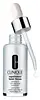
This anti-aging serum is formulated around Acetyl Glucosamine and Acetyl Hexapeptide-8 to soften the look of wrinkles.
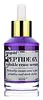
This anti-aging serum is formulated around Acetyl Hexapeptide-8 and Palmitoyl Tripeptide-1 to soften the look of wrinkles and refine skin texture.

What's inside
What's inside
 Key Ingredients
Benefits
Concerns
Ingredients Side-by-side
Water
Skin ConditioningDimethicone
Emollient

Butylene Glycol
Humectant

Methyl Trimethicone
Skin Conditioning
Vinyl Dimethicone/Methicone Silsesquioxane Crosspolymer

Polysorbate 20
Emulsifying

Bis-PEG-18 Methyl Ether Dimethyl Silane
EmollientGlycerin
Humectant
Silica
Abrasive

Polymethylsilsesquioxane
Lauryl PEG-9 Polydimethylsiloxyethyl Dimethicone
Skin Conditioning
Methyl Gluceth-20
Humectant
Polysilicone-11
Sigesbeckia Orientalis Extract
Skin ConditioningSalvia Sclarea Extract
AntiseborrhoeicAcetyl Glucosamine
Skin Conditioning


Plankton Extract
Skin ConditioningWhey Protein
Skin ConditioningSea Whip Extract
Skin ConditioningArabidopsis Thaliana Extract
Antioxidant
Caffeine
Skin Conditioning
Acetyl Hexapeptide-8
Humectant
Glycine Soja Protein
EmulsifyingSodium Hyaluronate
Humectant

Micrococcus Lysate
Skin ConditioningPalmitoyl Oligopeptide
Cleansing
Ergothioneine
Antioxidant
Aminopropyl Ascorbyl Phosphate
Antioxidant

Caprylyl Glycol
Emollient
Ethylhexylglycerin
Skin ConditioningTocopheryl Acetate
Antioxidant
Cholesterol
Emollient
Glyceryl Polymethacrylate
Sodium Hydroxide
BufferingLecithin
Emollient
Carbomer
Emulsion StabilisingPEG-8
HumectantXanthan Gum
EmulsifyingCitric Acid
Buffering
Disodium EDTA
Phenoxyethanol
Preservative
Water, Dimethicone, Butylene Glycol, Methyl Trimethicone, Vinyl Dimethicone/Methicone Silsesquioxane Crosspolymer, Polysorbate 20, Bis-PEG-18 Methyl Ether Dimethyl Silane, Glycerin, Silica, Polymethylsilsesquioxane, Lauryl PEG-9 Polydimethylsiloxyethyl Dimethicone, Methyl Gluceth-20, Polysilicone-11, Sigesbeckia Orientalis Extract, Salvia Sclarea Extract, Acetyl Glucosamine, Plankton Extract, Whey Protein, Sea Whip Extract, Arabidopsis Thaliana Extract, Caffeine, Acetyl Hexapeptide-8, Glycine Soja Protein, Sodium Hyaluronate, Micrococcus Lysate, Palmitoyl Oligopeptide, Ergothioneine, Aminopropyl Ascorbyl Phosphate, Caprylyl Glycol, Ethylhexylglycerin, Tocopheryl Acetate, Cholesterol, Glyceryl Polymethacrylate, Sodium Hydroxide, Lecithin, Carbomer, PEG-8, Xanthan Gum, Citric Acid, Disodium EDTA, Phenoxyethanol
Water
Skin ConditioningGlycerin
Humectant
Pyrus Malus Fiber
Abrasive
PEG-12 Dimethicone
Skin Conditioning
Aloe Barbadensis Leaf Juice
Skin Conditioning
Sodium Hyaluronate
Humectant
Acetyl Hexapeptide-8
Humectant
Palmitoyl Tripeptide-1
Skin Conditioning
Palmitoyl Tetrapeptide-7
Skin Conditioning
Pentapeptide-18
Skin Conditioning
Palmitoyl Tripeptide-37
Skin Conditioning
Chenopodium Quinoa Seed Extract
Skin Conditioning
Rosa Damascena Flower Extract
Masking
Soluble Collagen
Humectant
Butylene Glycol
Humectant
Carbomer
Emulsion StabilisingCentella Asiatica Extract
Cleansing
Camellia Sinensis Leaf Extract
Antimicrobial
Punica Granatum Extract
AstringentRubus Fruticosus Fruit Extract
AstringentCoffea Robusta Seed Extract
Skin ConditioningVaccinium Macrocarpon Fruit Extract
AstringentVitis Vinifera Leaf Extract
Skin ConditioningEuterpe Oleracea Fruit Extract
Arctostaphylos Uva-Ursi Leaf Extract
Skin Conditioning
Lycium Barbarum Fruit Extract
Astringent
Morinda Citrifolia Fruit Extract
Skin Conditioning
Rubus Idaeus Fruit
AstringentAristotelia Chilensis Fruit Extract
Skin ConditioningPolysorbate 20
Emulsifying
Tetrasodium Glutamate Diacetate
Tocopheryl Acetate
Antioxidant
Brassica Oleracea Acephala Leaf Extract
HumectantXanthan Gum
EmulsifyingPhenoxyethanol
Preservative
Parfum
Masking



Caprylyl Glycol
Emollient
Ethylhexylglycerin
Skin ConditioningHexylene Glycol
EmulsifyingCitric Acid
Buffering
Water, Glycerin, Pyrus Malus Fiber, PEG-12 Dimethicone, Aloe Barbadensis Leaf Juice, Sodium Hyaluronate, Acetyl Hexapeptide-8, Palmitoyl Tripeptide-1, Palmitoyl Tetrapeptide-7, Pentapeptide-18, Palmitoyl Tripeptide-37, Chenopodium Quinoa Seed Extract, Rosa Damascena Flower Extract, Soluble Collagen, Butylene Glycol, Carbomer, Centella Asiatica Extract, Camellia Sinensis Leaf Extract, Punica Granatum Extract, Rubus Fruticosus Fruit Extract, Coffea Robusta Seed Extract, Vaccinium Macrocarpon Fruit Extract, Vitis Vinifera Leaf Extract, Euterpe Oleracea Fruit Extract, Arctostaphylos Uva-Ursi Leaf Extract, Lycium Barbarum Fruit Extract, Morinda Citrifolia Fruit Extract, Rubus Idaeus Fruit, Aristotelia Chilensis Fruit Extract, Polysorbate 20, Tetrasodium Glutamate Diacetate, Tocopheryl Acetate, Brassica Oleracea Acephala Leaf Extract, Xanthan Gum, Phenoxyethanol, Parfum, Caprylyl Glycol, Ethylhexylglycerin, Hexylene Glycol, Citric Acid
Ingredients Explained
These ingredients are found in both products.
Ingredients higher up in an ingredient list are typically present in a larger amount.
Acetyl Hexapeptide-8 (also known as Argireline) is a synthetic hexapeptide that is often called a "topical Botox alternative".
It works by mimicking how Botox relaxes muscles; it interferes with the signaling process that tells your facial muscles to contract. This can help soften expression lines like forehead wrinkles or crow's feet over time.
The comparison to Botox does have limits because the molecule is water-loving and relatively large.
Acetyl Hexapeptide-8 has a hard time absorbing deeply enough through the skin's outer barrier to actually reach the muscles.
So whether it truly works the way Botox does at a biological level is still up for debate, but early clinical outcomes are fairly encouraging.
A 12 week human study of a multi-ingredient regimen containing this ingredient saw:
While some studies have observed improvements in wrinkle appearance, it is important to note that more consistent results are seen in multi-ingredient formulations (vs just Acetyl Hexapeptide-8 alone).
Some research studies also used higher concentrations (up to 10%) while this ingredient is usually found in concentrations up to 0.005% in leave-on formulations.
Learn more about Acetyl Hexapeptide-8Butylene Glycol (or BG) is used within cosmetic products for a few different reasons:
Overall, Butylene Glycol is a safe and well-rounded ingredient that works well with other ingredients.
Though this ingredient works well with most skin types, some people with sensitive skin may experience a reaction such as allergic rashes, closed comedones, or itchiness.
Learn more about Butylene GlycolCaprylyl Glycol is a humectant, skin conditioner, emollient, and preservative booster derived from either caprylic acid or synthetically created.
Typical use levels vary from 0.3-1% as a preservative booster and go up to 2% to condition skin.
Because it is not a free-fatty acid, this ingredient is fungal acne safe (there's nothing for Malassezia to feed on).
Learn more about Caprylyl GlycolCarbomer is a synthetic thickening and gelling agent. It's basically the ingredient that gives a lot of serums, gels, creams, and sunscreens their smooth, non-sticky texture.
Although legally permitted at very high levels, carbomers are normally used at concentrations below 1%.
It also needs to be neutralized to actually thicken, and because it is a large molecule, it doesn't really penetrate the skin barrier.
Allergy-wise, the risk is very low. Clinical studies show carbomers have low potential for skin irritation/sensitization even at concentrations up to 100%.
A 2024 UK study patch-tested 1,302 patients and found true allergy to the parent group of carbomer to be rare with no confirmed relevant reactions.
Learn more about CarbomerCitric Acid is an alpha hydroxy acid (AHA) naturally found in citrus fruits like oranges, lemons, and limes.
Like other AHAs, citric acid can exfoliate skin by breaking down the bonds that hold dead skin cells together. This helps reveal smoother and brighter skin underneath.
However, this exfoliating effect only happens at high concentrations (20%) which can be hard to find in cosmetic products.
Due to this, citric acid is usually included in small amounts as a pH adjuster. This helps keep products slightly more acidic and compatible with skin's natural pH.
In skincare formulas, citric acid can:
While it can provide some skin benefits, research shows lactic acid and glycolic acid are generally more effective and less irritating exfoliants.
Most citric acid used in skincare today is made by fermenting sugars (usually from molasses). This synthetic version is identical to the natural citrus form but easier to stabilize and use in formulations.
Rosacea skin has a lower threshold for acids generally, with 62.5% of rosacea subjects in one study reacting to lactic acid in a sting test. This is why we mark citric acid as a potential rosacea trigger.
However, this ingredient shows up as a pH adjuster or chelator at roughly 0.1-1% in many products. These low levels are unlikely to be an issue for rosacea skin and becomes a potential trigger at exfoliating concentrations (20%). Because everybody's skin is unique, we recommend a patch test if you are unsure.
Learn more about Citric AcidEthylhexylglycerin is created from glycerin. It is a multitasker ingredient that:
The CIR Expert Panel found minimal skin absorption or sensitization of any kind in a safety assessment. Though this ingredient is considered well-tolerated, a small number of cases of allergic dermatitis have been published since 2002. Just be sure to patch test if you are unsure.
Industry-reported use ranges from 8% in rinse-off products and 2% in leave-on formulations.
Learn more about EthylhexylglycerinGlycerin (or glycerol) is a compound naturally found in your skin. It's a powerhouse humectant that pulls water into the stratum corneum.
Topically, glycerin does several things at once:
Your skin makes glycerin on its own (mostly from sebaceous oil breakdown) and shuttles it to your outermost layer of skin, or your epidermis, via aquaporin-3.
Aquaporin-3 is a transporter that is essential for normal skin hydration, elasticity, and repair. Interestingly, mice lacking in AQP3 have dry and less elastic skin that can be fully corrected with glycerin.
This ingredient is non-irritating, plays well with almost every ingredient, and works across all skin types. Typical use is anywhere between 3-10% but can go up to 79% in some leave-on products.
Just know very high concentrations (>40%) can feel tacky in low humidity.
Glycerin is the name for this ingredient in American English. British English uses Glycerol/Glycerine.
Learn more about GlycerinPhenoxyethanol is one of the most widely used preservatives in skincare (and for good reason!).
It has a large spectrum of antimicrobial activity and especially effective bacteria, yeast, and mold while only having a weak effect on your skin's natural microbiome.
On a cellular level, it disrupts the cell membranes of microbes by poking holes that make the cell leak. This shuts down the chemical reactions the microbe needs to make energy so it can no longer survive.
Another perk of this ingredient is that it stays functional across a wide pH range (3-10).
You'll often see it paired with boosters like Ethylhexylglycerin; one study showed that a 1:9 ratio of Ethylhexylglycerin to Phenoxyethanol damages bacterial membranes as effectively as doubling the Phenoxyethanol concentration on its own.
Typical use concentrations range from 0.3-1% depending on the formula, and this ingredient is capped at 1% int the EU.
Safety-wise, the fear mongering does not hold up to the evidence. The EU's Scientific Committee on Consumer Safety and FDA consider it safe as a preservative at up to 1%, including for children of all ages.
Adverse systemic effects only showed up in animal studies at exposures roughly 200x higher than what people get from cosmetics. And despite its very widespread use, this ingredient is a rare sensitizer and allergic reactions are uncommon.
Learn more about PhenoxyethanolPolysorbate 20 is a gentle, water-soluble emulsifier and mild surfactant. It stops oil and water from separating to keep your formulas blended and stable.
It also acts as a mild penetration enhancer by helping active ingredients absorb slightly better.
The common safety discussion around this ingredient involves a manufacturing byproduct called 1,4-dioxane.
Trace amounts can form during production but the EU's Scientific Committee on Consumer Safety has concluded that levels at/below 10 ppm in finished products are safe (commercial products consistently fall within acceptable margins).
True allergic reactions are uncommon and the CIR Expert Panel has confirmed this ingredient to be safe as used in cosmetics.
Because it is derived from lauric acid, it may not be fungal acne safe.
Learn more about Polysorbate 20Sodium Hyaluronate is the salt form of hyaluronic acid. It is a long sugar chain that is naturally found in your skin, joints, and connective tissue that maintains hydration and elasticity.
In skincare, it works as a humectant. It pulls water from the environment and deeper layers of skin and binds it to the surface.
Interestingly, the size of the molecule affects its behavior:
Some clinical evidence links low molecular weight versions to improved wrinkle depth, elasticity, anti-inflammatory effects, and barrier repair.
Many serums use a blend of both weights so you can get surface hydration plus longer-lasting and deeper effects.
You'll typically see concentrations between 0.1-2% for this ingredient.
Learn more about Sodium HyaluronateTocopheryl Acetate is a stable, shelf-friendly form of vitamin E.
Formulators love it because plain vitamin E oxidizes quickly once it hits air. This acetate version stays stable and resists going off, helping to extend a product's shelf life.
It's actually inactive on its own and works like a slow-release "storage" form; the enzymes in your skin called esterases gradually convert it into active vitamin E over time.
One in vivo study showed 5% of the acetate in the living layer of the epidermis converted to vitamin E after 5 days of application. This study also found the skin gained protection against UV damage even though the conversion was slow and small.
Once converted, vitamin E acts as a skin's main fat-soluble antioxidant that fights free radicals to protect skin from damage.
Topical vitamin E generally boosts the skin's photoprotection, and it reduced UV-damage in animal models.
This ingredient has some brightening potential but it's more of a prevention ingredient than spot-fader. Cell studies show it can slow down melanin production but it's worth noting that it's not the most powerful brightener out there.
Overall, it has a pretty solid safety profile and has been found to be non-irritating and non-comedogenic. Allergic reactions may happen but stay rare due to how widely the ingredient gets used.
The concentration will vary depending on the formula; industry data shows 0.1% in baby lotions, 3% in lipsticks, and 5% in foot powders. You can also find this ingredient at 100% in a pure vitamin E oil.
Most leave-on skincare keeps it at the lower end, often between 0.5-1%.
Learn more about Tocopheryl AcetateWater. It's the most common cosmetic ingredient of all. You'll usually see it at the top of ingredient lists, meaning that it makes up the largest part of the product.
So why is it so popular? Water most often acts as a solvent - this means that it helps dissolve other ingredients into the formulation.
You'll also recognize water as that liquid we all need to stay alive. If you see this, drink a glass of water. Remember to stay hydrated!
Learn more about WaterXanthan gum is used as a stabilizer and thickener within cosmetic products. It helps give products a sticky, thick feeling - preventing them from being too runny.
On the technical side of things, xanthan gum is a polysaccharide - a combination consisting of multiple sugar molecules bonded together.
Xanthan gum is a pretty common and great ingredient. It is a natural, non-toxic, non-irritating ingredient that is also commonly used in food products.
Learn more about Xanthan Gum

