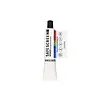
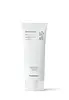
CHOSEN Safescreen Nexgen Moisturizing Sunscreen SPF 80+ Versus Transparent Lab Invisible Sunscreen SPF 50+
This chemical sunscreen covers the full UV range and blocks ~99% of UVB at SPF 80.
This chemical sunscreen covers the full UV range and blocks ~98% of UVB at SPF 50.


What's inside
What's inside
 Key Ingredients
Benefits
Concerns
Ingredients Side-by-side
Water
Skin ConditioningDiisopropyl Sebacate
EmollientBis-Ethylhexyloxyphenol Methoxyphenyl Triazine
UV Absorber
Limnanthes Alba Seed Oil
Skin Conditioning



Polyglyceryl-4 Oleate
Emulsifying
Polyglyceryl-3 Polyricinoleate
Emulsifying
Ethylhexyl Olivate
Skin Conditioning
Sodium Acrylates Copolymer
Polyglyceryl-4 Olivate
EmollientGlycerin
Humectant

Fructose
Humectant
Withania Somnifera Root Extract
Skin Conditioning
Phenoxyethanol
Preservative
Ethylhexylglycerin
Skin ConditioningTocopherol
Antioxidant





Melanin
Skin ProtectingSodium Hyaluronate
Humectant
Water, Diisopropyl Sebacate, Bis-Ethylhexyloxyphenol Methoxyphenyl Triazine, Limnanthes Alba Seed Oil, Polyglyceryl-4 Oleate, Polyglyceryl-3 Polyricinoleate, Ethylhexyl Olivate, Sodium Acrylates Copolymer, Polyglyceryl-4 Olivate, Glycerin, Fructose, Withania Somnifera Root Extract, Phenoxyethanol, Ethylhexylglycerin, Tocopherol, Melanin, Sodium Hyaluronate
Isododecane
EmollientDiethylamino Hydroxybenzoyl Hexyl Benzoate
UV Filter
Ethylhexyl Methoxycinnamate
UV Absorber

Bis-Ethylhexyloxyphenol Methoxyphenyl Triazine
UV Absorber
Dibutyl Adipate
EmollientEthylhexyl Salicylate
UV Absorber
Dimethicone/Bis-Isobutyl PPG-20 Crosspolymer
Emollient
Silica
Abrasive


Dimethicone
Emollient
Ethylhexyl Triazone
UV Absorber
Stearalkonium Hectorite
Gel FormingCoco-Caprylate
Emollient
Dimethicone/Polyglycerin-3 Crosspolymer
Cleansing
Ceramide Ng
Skin Conditioning
Ascorbyl Tetraisopalmitate
Antioxidant
Lupinus Albus Seed Oil
Skin Conditioning
Triticum Vulgare Germ Oil Unsaponifiables
Emollient
Tocopherol
Antioxidant
C12-15 Alkyl Benzoate
AntimicrobialPropylene Carbonate
SolventTocopheryl Acetate
Antioxidant
BHT
Antioxidant
Isododecane, Diethylamino Hydroxybenzoyl Hexyl Benzoate, Ethylhexyl Methoxycinnamate, Bis-Ethylhexyloxyphenol Methoxyphenyl Triazine, Dibutyl Adipate, Ethylhexyl Salicylate, Dimethicone/Bis-Isobutyl PPG-20 Crosspolymer, Silica, Dimethicone, Ethylhexyl Triazone, Stearalkonium Hectorite, Coco-Caprylate, Dimethicone/Polyglycerin-3 Crosspolymer, Ceramide Ng, Ascorbyl Tetraisopalmitate, Lupinus Albus Seed Oil, Triticum Vulgare Germ Oil Unsaponifiables, Tocopherol, C12-15 Alkyl Benzoate, Propylene Carbonate, Tocopheryl Acetate, BHT
Reviews
Ingredients Explained
These ingredients are found in both products.
Ingredients higher up in an ingredient list are typically present in a larger amount.
This ingredient is better known as bemotrizinol or Tinosorb S and is one of the best broad-spectrum UV filters in modern sunscreen.
It works by absorbing UV light across a whole range (280-400 nm) with peaks around 310 nm (UVB) and 340-345 nm (UVA). This means it covers UVB plus the deeper UVA wavelengths that drive photoaging and pigmentation.
Another pro?
It's exceptionally photostable, barely degrades in sunlight, and acts as a "bodyguard" for less stable filters.
That's why you'll see it paired with avobenzone or octinoxate; this team up ensures they keep working through sun exposure.
Safety reviews have been reassuring across the board. This ingredient shows low absorption through the skin, rarely irritates, and lab studies found it doesn't act like a hormone in the body (a concern that's been raised about some older sunscreen filters).
On maximum concentrations:
In 2026, the US F.D.A finally added it as an OTC sunscreen ingredient at concentrations up to 6% for adults / children 6 months and older
Learn more about Bis-Ethylhexyloxyphenol Methoxyphenyl TriazineTocopherol is a fat-soluble antioxidant known as Vitamin E.
You'll find this ingredient in the vast majority of skincare (for good reason). It works to neutralize free radicals, or unstable molecules generated by UV exposure, pollution, and other environmental stressors, before they can cause oxidative damage to your skin cells.
Topically applied tocopherol has been shown to protect against UV damage by ramping up the skin's own natural defense enzymes.
It also acts as a skin conditioning agent; some studies show that regular topical use can improve the skin's water-binding capacity over 2-4 weeks.
This ingredient is especially loved for being a team player. When combined with Vitamin C, the photoprotective effect of both ingredients roughly doubles and the combo also helps reduce UV-induced DNA damage.
This ingredient has some brightening potential but it's more of a prevention ingredient than spot-fader. Cell studies show it can slow down melanin production but it's worth noting that it's not the most powerful brightener out there.
In formulations, it also serves as a stabilizer that helps protect other oxidation-prone ingredients from degrading.
Concentrations usually range from 0.1-1% in most leave-on products.
Learn more about Tocopherol

