

What's inside
What's inside
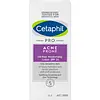 Key Ingredients
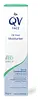
Benefits
Concerns
No concerns
Ingredients Side-by-side
Water
Skin ConditioningIsopropyl Lauroyl Sarcosinate
Skin ConditioningGlycerin
Humectant


Dimethicone
Emollient
Diisopropyl Sebacate
EmollientSilica
Abrasive


Polymethyl Methacrylate
Aluminum Starch Octenylsuccinate
Absorbent
Sucrose Stearate
EmollientDimethiconol
Emollient
Pentylene Glycol
Skin Conditioning
Allantoin
Skin Conditioning

Caprylyl Glycol
Emollient
Polyacrylic Acid
Emulsion StabilisingDisodium EDTA
Glycyrrhetinic Acid
Skin Conditioning
Ceramide Ns
Skin Conditioning

Panthenol
Skin Conditioning
Phenoxyethanol
Preservative
Polysorbate 60
Emulsifying
Potassium Sorbate
Preservative
Sodium Stearoyl Glutamate
CleansingTocopheryl Acetate
Antioxidant


Triethanolamine
BufferingXanthan Gum
EmulsifyingZinc Gluconate
Skin Conditioning

Water, Isopropyl Lauroyl Sarcosinate, Glycerin, Dimethicone, Diisopropyl Sebacate, Silica, Polymethyl Methacrylate, Aluminum Starch Octenylsuccinate, Sucrose Stearate, Dimethiconol, Pentylene Glycol, Allantoin, Caprylyl Glycol, Polyacrylic Acid, Disodium EDTA, Glycyrrhetinic Acid, Ceramide Ns, Panthenol, Phenoxyethanol, Polysorbate 60, Potassium Sorbate, Sodium Stearoyl Glutamate, Tocopheryl Acetate, Triethanolamine, Xanthan Gum, Zinc Gluconate
Water
Skin ConditioningCetearyl Alcohol
Emollient


Cyclopentasiloxane
Emollient
Aluminum Starch Octenylsuccinate
Absorbent
Hamamelis Virginiana Water
Astringent


Glycerin
Humectant
C12-15 Alkyl Benzoate
AntimicrobialNiacinamide
Smoothing


Cyclohexasiloxane
Emollient
Ceteareth-20
CleansingPanthenol
Skin Conditioning
Avena Sativa Kernel Extract
Abrasive
Methylparaben
Preservative

Propylparaben
Preservative
Xanthan Gum
EmulsifyingCitric Acid
Buffering
Potassium Sorbate
Preservative
Reviews
Ingredients Explained
These ingredients are found in both products.
Ingredients higher up in an ingredient list are typically present in a larger amount.
Aluminum Starch Octenylsuccinate is a synthetic powder used as an absorbent, thickener, and anti-caking agent.
As an absorbent, it is great at mattifying skin by soaking up the oil. This is why you'll find it in a range of products from makeup to moisturizers.
This ingredient is considered a modified starch. Starch can also be found naturally in plants.
One study from 1991 found that 5% of this ingredient enhanced titanium dioxide SPF by as much as 40%. The study found 1% titanium dioxide had a 5.6 SPF and adding 5% of aluminum starch octenylsuccinate boosted it to an SPF of 8.1
Although “aluminum” in an ingredient name can raise red flags for some consumers, the form and usage context matter significantly. For typical topical applications, there is no substantial evidence of health risks - such as cancer, neurotoxicity, or systemic “aluminum overload.”
Learn more about Aluminum Starch OctenylsuccinateGlycerin (or glycerol) is a compound naturally found in your skin. It's a powerhouse humectant that pulls water into the stratum corneum.
Topically, glycerin does several things at once:
Your skin makes glycerin on its own (mostly from sebaceous oil breakdown) and shuttles it to your outermost layer of skin, or your epidermis, via aquaporin-3.
Aquaporin-3 is a transporter that is essential for normal skin hydration, elasticity, and repair. Interestingly, mice lacking in AQP3 have dry and less elastic skin that can be fully corrected with glycerin.
This ingredient is non-irritating, plays well with almost every ingredient, and works across all skin types. Typical use is anywhere between 3-10% but can go up to 79% in some leave-on products.
Just know very high concentrations (>40%) can feel tacky in low humidity.
Glycerin is the name for this ingredient in American English. British English uses Glycerol/Glycerine.
Learn more about GlycerinPanthenol is a common ingredient that helps hydrate and soothe the skin. It is found naturally in our skin and hair.
There are two forms of panthenol: D and L.
D-panthenol is also known as dexpanthenol. Most cosmetics use dexpanthenol or a mixture of D and L-panthenol.
Panthenol is famous due to its ability to go deeper into the skin's layers. Using this ingredient has numerous pros (and no cons):
Like hyaluronic acid, panthenol is a humectant. Humectants are able to bind and hold large amounts of water to keep skin hydrated.
This ingredient works well for wound healing. It works by increasing tissue in the wound and helps close open wounds.
Once oxidized, panthenol converts to pantothenic acid. Panthothenic acid is found in all living cells.
This ingredient is also referred to as pro-vitamin B5.
Learn more about PanthenolPotassium Sorbate is a preservative used to prevent yeast and mold in products. It is commonly found in both cosmetic and food products.
This ingredient comes from potassium salt derived from sorbic acid. Sorbic acid is a natural antibiotic and effective against fungus.
Both potassium sorbate and sorbic acid can be found in baked goods, cheeses, dried meats, dried fruit, ice cream, pickles, wine, yogurt, and more.
You'll often find this ingredient used with other preservatives.
Learn more about Potassium SorbateWater. It's the most common cosmetic ingredient of all. You'll usually see it at the top of ingredient lists, meaning that it makes up the largest part of the product.
So why is it so popular? Water most often acts as a solvent - this means that it helps dissolve other ingredients into the formulation.
You'll also recognize water as that liquid we all need to stay alive. If you see this, drink a glass of water. Remember to stay hydrated!
Learn more about WaterXanthan gum is used as a stabilizer and thickener within cosmetic products. It helps give products a sticky, thick feeling - preventing them from being too runny.
On the technical side of things, xanthan gum is a polysaccharide - a combination consisting of multiple sugar molecules bonded together.
Xanthan gum is a pretty common and great ingredient. It is a natural, non-toxic, non-irritating ingredient that is also commonly used in food products.
Learn more about Xanthan Gum
