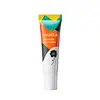
This calming lip moisturizer is formulated around Madecassic Acid and Asiaticoside to calm redness.
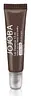
This barrier-repair lip moisturizer is formulated around Simmondsia Chinensis Seed Oil to strengthen the lip barrier and hydrate lips.

What's inside
What's inside
 Key Ingredients
Benefits
Concerns
Ingredients Side-by-side
Polyisobutene
Petrolatum
Emollient



Diisostearyl Malate
EmollientPropylene Glycol
Humectant

Simmondsia Chinensis Seed Oil
Emollient


Butyrospermum Parkii Butter
Skin Conditioning
Sorbitan Sesquioleate
Emulsifying
Madecassic Acid
Skin Conditioning


Asiaticoside
Antioxidant

Asiatic Acid
Skin Conditioning
Centella Asiatica Extract
Cleansing
Lavandula Angustifolia Oil
Masking


Glycol Stearate
Emollient
PEG-6 Stearate
Emulsifying
PEG-32 Stearate
Emulsifying
Macadamia Ternifolia Seed Oil
Emollient
Glycerin
Humectant
Tocopherol
Antioxidant


Microcrystalline Wax
Emulsion Stabilising1,2-Hexanediol
Skin Conditioning
Water
Skin ConditioningPolyisobutene, Petrolatum, Diisostearyl Malate, Propylene Glycol, Simmondsia Chinensis Seed Oil, Butyrospermum Parkii Butter, Sorbitan Sesquioleate, Madecassic Acid, Asiaticoside, Asiatic Acid, Centella Asiatica Extract, Lavandula Angustifolia Oil, Glycol Stearate, PEG-6 Stearate, PEG-32 Stearate, Macadamia Ternifolia Seed Oil, Glycerin, Tocopherol, Microcrystalline Wax, 1,2-Hexanediol, Water
Ingredients Explained
These ingredients are found in both products.
Ingredients higher up in an ingredient list are typically present in a larger amount.
Diisostearyl Malate is an emollient and most often used in lip products. It comes from isostearyl alcohol, a fatty acid, and malic acid, an AHA.
As an emollient, Diisostearyl Malate helps create a thin film on your skin to trap moisture in. This helps keep your skin soft and smooth.
Microcrystalline Wax is derived from petroleum through a de-oiling process, then highly refined and purified before use in cosmetics.
In skincare formulations, it is used to improve texture and create a smooth, even consistency. It also helps stabilize products by preventing ingredients from separating.
Petrolatum is more commonly known as petroleum jelly. It is created by mixing waxes and mineral oils.
This ingredient is effective at reducing water loss by 99%. This is because it is an occlusive. Occlusives create a hydrophobic barrier on the skin to prevent evaporation. This property makes it great for hydrating dry skin.
Pro tip: Use occlusives, such as this ingredient, on damp skin for the best results.
The quality or origin of petrolatum is only known when disclosed by the brand. Most cosmetic petrolatum has gone through several purification stages.
Another benefit of occlusives is it protects your skin against infection or allergies.
Petrolatum is fungal acne safe. It is a hydrocarbon with no fatty acid structure, so Malassezia cannot metabolize it. In-vitro studies support negligible growth stimulation as well.
It's also worth noting that petrolatum has a comedogenic rating of 0. In updated rabbit ear testing (and in human testing), petrolatum was found to be not comedogenic. This means it didn’t promote comedone formation in standard models.
Learn more about PetrolatumPolyisobutene is a synthetic polymer made from isobutene.
It is a film-forming agent and helps bind ingredients together.
Polyisobutene is not absorbed by the skin.
Learn more about PolyisobuteneJojoba oil is one of the most well-studied plant-derived ingredients in cosmetics. It is an emollient with a special structure.
Because it is made up of 97-98% wax esters, it closely mirrors the linear monoesters found in human sebum. This makes it skin compatible, non-greasy, and lightweight.
Unlike other plant oils, jojoba wax doesn't easily penetrate skin. It mostly works in the uppermost layers as an emollient. This just means it forms a light barrier on the skin to help retain moisture.
Formulations with jojoba esters up to 90% reduced transepidermal water loss (TEWL) and increased barrier recovery by 81% (outperforming bisabolol at 47%).
Besides barrier support, the science also suggests jojoba to have anti-inflammatory effects and potential applications for skin infections, aging, and wound healing.
Fun fact: Indigenous cultures have used jojoba as a moisturizer and to help treat burns for centuries.
Fungal acne: The Malassezia yeast is known to metabolize fatty acids in the C11-24 range and jojoba's dominant fatty acid components fall into this range. This ingredient may not be fungal acne safe.
Learn more about Simmondsia Chinensis Seed OilSorbitan Sesquioleate is derived from sorbitol and oleic acid. It is an emulsifier and prevents ingredients from separating.
Specifically, this ingredient is a water-in-oil emulsifier, meaning it helps water dissolve into oil.
Some studies suggest this ingredient may cause irritation in some people. If you are unsure, it is best to patch test.
This ingredient may not be Malassezia folliculitis, or fungal-acne safe due to the oleic acid. In vitro studies have shown that Oleic Acid is one of the fatty acids that induce rapid Malassezia growth in lab settings.
This ingredient does have a comedogenic rating of 0-1. The original test stated 0-1 meant an ingredient is unlikely to cause comedones.
Just remember human testing has proved that any finished product with a comedogenic ingredient won't automatically make you break out; it really comes down to concentration, formula, and your skin.
Learn more about Sorbitan Sesquioleate

