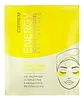
This hydrating eye mask is formulated around Scutellaria Baicalensis Root Extract and Panax Ginseng Root Extract to hydrate skin and calm redness.
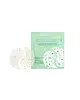
This hydrating eye mask is formulated around Tremella Fuciformis Sporocarp Extract and Allantoin to hydrate skin and calm redness.


What's inside
What's inside
 Key Ingredients
Benefits
Concerns
Ingredients Side-by-side
Water
Skin ConditioningGlycerin
Humectant


Butylene Glycol
Humectant
Scutellaria Baicalensis Root Extract
Astringent
Ceratonia Siliqua Gum
EmollientPanax Ginseng Root Extract
Emollient
Sodium Hyaluronate
Humectant

Cocos Nucifera Fruit Extract
Emollient


Hexylene Glycol
EmulsifyingCarrageenan

Caffeine
Skin Conditioning
Xanthan Gum
EmulsifyingSucrose
Humectant
Cellulose Gum
Emulsion StabilisingPentylene Glycol
Skin Conditioning
Sodium Polyacrylate
Absorbent
Propanediol
Solvent
Hydroxyacetophenone
Antioxidant
Allantoin
Skin Conditioning
Dipotassium Glycyrrhizate
Humectant
Gellan Gum
Pinus Sylvestris Leaf Extract
TonicEthylhexylglycerin
Skin ConditioningPolyglyceryl-10 Laurate
Skin Conditioning

Sodium Phytate
Chelating1,2-Hexanediol
Skin Conditioning
Glyceryl Caprylate
EmollientMica
Cosmetic ColorantTin Oxide
Abrasive
Potassium Chloride
Calcium Lactate
AstringentCI 77491
Cosmetic ColorantCI 77891
Cosmetic ColorantWater, Glycerin, Butylene Glycol, Scutellaria Baicalensis Root Extract, Ceratonia Siliqua Gum, Panax Ginseng Root Extract, Sodium Hyaluronate, Cocos Nucifera Fruit Extract, Hexylene Glycol, Carrageenan, Caffeine, Xanthan Gum, Sucrose, Cellulose Gum, Pentylene Glycol, Sodium Polyacrylate, Propanediol, Hydroxyacetophenone, Allantoin, Dipotassium Glycyrrhizate, Gellan Gum, Pinus Sylvestris Leaf Extract, Ethylhexylglycerin, Polyglyceryl-10 Laurate, Sodium Phytate, 1,2-Hexanediol, Glyceryl Caprylate, Mica, Tin Oxide, Potassium Chloride, Calcium Lactate, CI 77491, CI 77891
Water
Skin ConditioningGlycerin
Humectant
Butylene Glycol
Humectant
Cannabis Sativa Seed Oil
Emollient
Pinus Sylvestris Leaf Extract
TonicCoptis Chinensis Root Extract
Antioxidant
Cocos Nucifera Fruit Extract
Emollient
Rhodiola Rosea Root Extract
EmollientGanoderma Lucidum Stem Extract
Skin ConditioningTremella Fuciformis Sporocarp Extract
Antioxidant
Camellia Sinensis Leaf Powder
Hydrolyzed Sodium Hyaluronate
Skin Conditioning
Allantoin
Skin Conditioning
PEG-60 Hydrogenated Castor Oil
Emulsifying
Ceratonia Siliqua Gum
EmollientXanthan Gum
EmulsifyingCarrageenan
Ethyl Hexanediol
SolventPentylene Glycol
Skin Conditioning
Propanediol
Solvent
Sucrose
Humectant
Potassium Chloride
Caprylyl Glycol
Emollient
Chlorphenesin
Antimicrobial
1,2-Hexanediol
Skin Conditioning
Sodium Polyacrylate
Absorbent
Calcium Lactate
AstringentDisodium EDTA
ChelatingGellan Gum
Cellulose Gum
Emulsion StabilisingEthylhexylglycerin
Skin ConditioningParfum
Masking


Water, Glycerin, Butylene Glycol, Cannabis Sativa Seed Oil, Pinus Sylvestris Leaf Extract, Coptis Chinensis Root Extract, Cocos Nucifera Fruit Extract, Rhodiola Rosea Root Extract, Ganoderma Lucidum Stem Extract, Tremella Fuciformis Sporocarp Extract, Camellia Sinensis Leaf Powder, Hydrolyzed Sodium Hyaluronate, Allantoin, PEG-60 Hydrogenated Castor Oil, Ceratonia Siliqua Gum, Xanthan Gum, Carrageenan, Ethyl Hexanediol, Pentylene Glycol, Propanediol, Sucrose, Potassium Chloride, Caprylyl Glycol, Chlorphenesin, 1,2-Hexanediol, Sodium Polyacrylate, Calcium Lactate, Disodium EDTA, Gellan Gum, Cellulose Gum, Ethylhexylglycerin, Parfum
Ingredients Explained
These ingredients are found in both products.
Ingredients higher up in an ingredient list are typically present in a larger amount.
1,2-Hexanediol is a synthetic liquid and another multi-functional powerhouse.
It is a:
- Humectant, drawing moisture into the skin
- Emollient, helping to soften skin
- Solvent, dispersing and stabilizing formulas
- Preservative booster, enhancing the antimicrobial activity of other preservatives
Allantoin is a soothing ingredient known for its protective and moisturizing properties; it's basically a quiet workhorse ingredient you can find in a huge range of cosmetics.
Though it can be derived from the comfrey plant, allantoin is produced synthetically for cosmetic products to ensure purity.
Research shows it can encourage your skin cells to turn over and renew by stimulating keratinocyte and fibroblast proliferation.
It also has mild keratolytic properties to help loosen and shed dead skin cells without being harsh.
Studies also suggest allantoin can help calm inflammation by dialing down some of the chemical signals your skin sends out when it is irritated.
This ingredient is typically used in the 0.1-0.5% range, and the FDA recognizes it as a skin protectant in OTC products up to 2%.
Overall, allantoin is a wonderful addition to most routines; it is stable across a wide pH range (~4-8), works well with other ingredients, and is considered non-sensitizing/non-irritating.
Fun fact: Allantoin is naturally occurring in comfrey root, beets, chamomile, and wheat sprouts. Our bodies even produce it as a byproduct of uric acid metabolism.
Learn more about AllantoinButylene Glycol (or BG) is used within cosmetic products for a few different reasons:
Overall, Butylene Glycol is a safe and well-rounded ingredient that works well with other ingredients.
Though this ingredient works well with most skin types, some people with sensitive skin may experience a reaction such as allergic rashes, closed comedones, or itchiness.
Learn more about Butylene GlycolCalcium Lactate is created by combining lactic acid with calcium carbonate or calcium hydroxide.
Carrageenan is a gel-forming sugar chain pulled out of red seaweed. In skincare, it's a texture ingredient rather than an active that:
Formulators typically use it around 0.1-2% but go up to 5% in thick gel masks or toothpaste-style products.
It's a very large molecule that doesn't meaningfully get through intact skin and the CIR Expert Panel has concluded it's safe at current use levels.
True allergy is rare and there are only two published cases from internal/mucosal exposure rather than anything topical. Most of the scary internet content about Carrageenan is actually about poligeenan (also called "degraded carrageenan").
Poligeenan is a deliberately acid-broken down version that isn't food or cosmetic grade.
Learn more about CarrageenanCellulose Gum is a water-soluble polymer that comes from cellulose. It is used to change the texture of a product and to help stabilize emulsions.
As an emulsifier, cellulose gum specifically thicken the texture of water-based products.
This ingredient is considered hypoallergenic and non-toxic. Cellulose Gum can be found in cosmetics, food, and other household goods such as paper products.
Learn more about Cellulose GumCeratonia Siliqua Gum is extracted from the seeds of the carob tree. You might know this ingredient as Carob Gum or Locust Bean Gum. It is used to stabilize other ingredients and improve the texture of products.
Carob gum is made up of long-chain polysaccharides. This makes it a natural thickener.
Yes! This ingredient comes from the seeds of a tree. The name 'Locust Bean Gum' can be misleading.
Learn more about Ceratonia Siliqua GumCocos Nucifera Fruit Extract (coconut extract) is a water-soluble extract from coconut fruit.
It's a skin conditioning agent that helps keep the skin soft and hydrated. This ingredient is different from coconut oil with a totally different composition.
Direct research on this extract is limited and mostly comes from supplier safety dossiers:
Human testing found it to be non-irritating or sensitizing in a 50-subject occlusive patch test.
Real-world concentrations are very low: industry survey data puts it at 0.0007% to 0.02% in face and neck products, 0.0005% in moisturizers and cleansers, and up to 0.04% in hair conditioners.
Most human clinical skin research on coconut is on virgin coconut oil and not this extract. For example, a randomized double-blind trial found virgin coconut oil as effective and safe as mineral oil for mild to moderate xerosis with significant improvement in hydration and skin surface lipids. However, you can't transfer that to a water-based fruit extract at 0.01%.
There's no comedogenicity data for this specific ingredient; the "coconut clogs pores" reputation comes from coconut oil which scored high on the old rabbit ear assay.
That method tested pure ingredients on rabbit ears and later work showed the results translate inconsistently to human skin.
Some people still find it breaks them out. So if that's you, definitely trust your skin.
Learn more about Cocos Nucifera Fruit ExtractEthylhexylglycerin is created from glycerin. It is a multitasker ingredient that:
The CIR Expert Panel found minimal skin absorption or sensitization of any kind in a safety assessment. Though this ingredient is considered well-tolerated, a small number of cases of allergic dermatitis have been published since 2002. Just be sure to patch test if you are unsure.
Industry-reported use ranges from 8% in rinse-off products and 2% in leave-on formulations.
Learn more about EthylhexylglycerinGellan Gum is a high-molecular weight heteropolysaccharide gum. It is created by the process of pure-culture fermentation with the bacterium Pseudomonas elodea.
Gellan Gum is used to stabilize products. This helps improve the texture, consistency, and shelf life.
Glycerin (or glycerol) is a compound naturally found in your skin. It's a powerhouse humectant that pulls water into the stratum corneum.
Topically, glycerin does several things at once:
Your skin makes glycerin on its own (mostly from sebaceous oil breakdown) and shuttles it to your outermost layer of skin, or your epidermis, via aquaporin-3.
Aquaporin-3 is a transporter that is essential for normal skin hydration, elasticity, and repair. Interestingly, mice lacking in AQP3 have dry and less elastic skin that can be fully corrected with glycerin.
This ingredient is non-irritating, plays well with almost every ingredient, and works across all skin types. Typical use is anywhere between 3-10% but can go up to 79% in some leave-on products.
Just know very high concentrations (>40%) can feel tacky in low humidity.
Glycerin is the name for this ingredient in American English. British English uses Glycerol/Glycerine.
Learn more about GlycerinPentylene Glycol (1,2-pentanediol) is a multitasking little diol with three main roles in a formula:
Research on alkanediols (the family pentylene glycol belongs to) show they work by disrupting microbial cell membranes. This disruption helps the primary preservative system in a product work more effectively at lower doses.
On the safety side, the Cosmetic Ingredient Review Expert Panel has concluded this ingredient to be safe as used in current cosmetic practices + concentrations.
Typical use levels in a formula run about 1-5%.
Learn more about Pentylene GlycolWe don't have a description for Pinus Sylvestris Leaf Extract yet.
We don't have a description for Potassium Chloride yet.
Propanediol is an all-star ingredient. It softens, hydrates, and smooths the skin.
It’s often used to:
Propanediol is not likely to cause sensitivity and considered safe to use. It is derived from corn or petroleum with a clear color and no scent.
Learn more about PropanediolSodium Polyacrylate is the sodium salt of polyacrylic acid. It is used as an absorber, emollient, and stabilizer.
This ingredient is a super-absorbent polymer - meaning it can absorb 100 to 1000 times its mass in water. As an emollient, Sodium Polyacrylate helps soften and soothe skin. Emollients work by creating a barrier to trap moisture in. This helps keep your skin hydrated.
Sucrose is a natural sugar found in fruits, vegetables, and nuts. It is the main constituent of white sugar.
In skincare, sucrose is a humectant and can be a mild exfoliant.
Sucrose is hydrophilic, meaning it attracts water. This makes it an effective humectant and helps hydrate the skin.
Studies show sugars may worsen acne-prone skin due to it disrupting the skin's natural biome. We recommend speaking with a professional if you have any concerns.
In some products such as body scrubs, sucrose is used as an gentle exfoliant.
The term 'sucrose' comes from the french word for sugar, 'sucre'.
Learn more about SucroseWater. It's the most common cosmetic ingredient of all. You'll usually see it at the top of ingredient lists, meaning that it makes up the largest part of the product.
So why is it so popular? Water most often acts as a solvent - this means that it helps dissolve other ingredients into the formulation.
You'll also recognize water as that liquid we all need to stay alive. If you see this, drink a glass of water. Remember to stay hydrated!
Learn more about WaterXanthan gum is used as a stabilizer and thickener within cosmetic products. It helps give products a sticky, thick feeling - preventing them from being too runny.
On the technical side of things, xanthan gum is a polysaccharide - a combination consisting of multiple sugar molecules bonded together.
Xanthan gum is a pretty common and great ingredient. It is a natural, non-toxic, non-irritating ingredient that is also commonly used in food products.
Learn more about Xanthan Gum

