

What's inside
What's inside
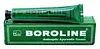 Key Ingredients
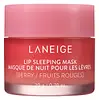
No key ingredients
Benefits
Concerns
Ingredients Side-by-side




Diisostearyl Malate
EmollientHydrogenated Polyisobutene
EmollientPhytosteryl/Isostearyl/Cetyl/Stearyl/Behenyl Dimer Dilinoleate
Skin Conditioning
Hydrogenated Poly(C6-14 Olefin)
EmollientPolybutene
Cera Microcristallina
Emulsion StabilisingButyrospermum Parkii Butter
Skin Conditioning



Synthetic Wax
Abrasive
Ethylene/Propylene/Styrene Copolymer
Sucrose Tetrastearate Triacetate
Emollient
Mica
Cosmetic ColorantEuphorbia Cerifera Wax
Candelilla Wax Esters
Astrocaryum Murumuru Seed Butter
Emollient
CI 77891
Cosmetic ColorantParfum
Masking



Glyceryl Caprylate
EmollientPolyglyceryl-2 Diisostearate
Emulsifying
Butylene/Ethylene/Styrene Copolymer
Copernicia Cerifera Cera
Emollient
Methicone
Emollient
Polyglyceryl-2 Triisostearate
Emulsifying
Cocos Nucifera Oil
Masking

CI 15985
Cosmetic ColorantPentaerythrityl Tetra-Di-T-Butyl Hydroxyhydrocinnamate
Antioxidant
CI 15850
Cosmetic ColorantAscorbic Acid
Antioxidant





Water
Skin ConditioningGlycerin
Humectant
Propanediol
Solvent
BHT
Antioxidant
Punica Granatum Fruit Juice
MaskingRubus Idaeus Juice
AstringentVitis Vinifera Juice
Antioxidant
Diisostearyl Malate, Hydrogenated Polyisobutene, Phytosteryl/Isostearyl/Cetyl/Stearyl/Behenyl Dimer Dilinoleate, Hydrogenated Poly(C6-14 Olefin), Polybutene, Cera Microcristallina, Butyrospermum Parkii Butter, Synthetic Wax, Ethylene/Propylene/Styrene Copolymer, Sucrose Tetrastearate Triacetate, Mica, Euphorbia Cerifera Wax, Candelilla Wax Esters, Astrocaryum Murumuru Seed Butter, CI 77891, Parfum, Glyceryl Caprylate, Polyglyceryl-2 Diisostearate, Butylene/Ethylene/Styrene Copolymer, Copernicia Cerifera Cera, Methicone, Polyglyceryl-2 Triisostearate, Cocos Nucifera Oil, CI 15985, Pentaerythrityl Tetra-Di-T-Butyl Hydroxyhydrocinnamate, CI 15850, Ascorbic Acid, Water, Glycerin, Propanediol, BHT, Punica Granatum Fruit Juice, Rubus Idaeus Juice, Vitis Vinifera Juice
Reviews
Ingredients Explained
These ingredients are found in both products.
Ingredients higher up in an ingredient list are typically present in a larger amount.
Parfum is a catch-all term for an ingredient or more that is used to give a scent to products.
Also called "fragrance", this ingredient can be a blend of hundreds of chemicals or plant oils. This means every product with "fragrance" or "parfum" in the ingredients list is a different mixture.
For instance, Habanolide is a proprietary trade name for a specific aroma chemical. When used as a fragrance ingredient in cosmetics, most aroma chemicals fall under the broad labeling category of “FRAGRANCE” or “PARFUM” according to EU and US regulations.
The term 'parfum' or 'fragrance' is not regulated in many countries. In many cases, it is up to the brand to define this term.
For instance, many brands choose to label themselves as "fragrance-free" because they are not using synthetic fragrances. However, their products may still contain ingredients such as essential oils that are considered a fragrance by INCI standards.
One example is Calendula flower extract. Calendula is an essential oil that still imparts a scent or 'fragrance'.
Depending on the blend, the ingredients in the mixture can cause allergies and sensitivities on the skin. Some ingredients that are known EU allergens include linalool and citronellol.
Parfum can also be used to mask or cover an unpleasant scent.
The bottom line is: not all fragrances/parfum/ingredients are created equally. If you are worried about fragrances, we recommend taking a closer look at an ingredient. And of course, we always recommend speaking with a professional.
Learn more about Parfum

