

What's inside
What's inside
 Key Ingredients
Benefits
Concerns
Ingredients Side-by-side
Water
Skin ConditioningGlycerin
Humectant


Butylene Glycol
Humectant
Tranexamic Acid
Astringent




Glycereth-26
Humectant
Pentylene Glycol
Skin Conditioning
Hamamelis Virginiana Water
Astringent


1,2-Hexanediol
Skin Conditioning
Hydroxyacetophenone
Antioxidant
Panthenol
Skin Conditioning
Allantoin
Skin Conditioning
Ethylhexylglycerin
Skin ConditioningCarbomer
Emulsion StabilisingArginine
Masking
Polyacrylate Crosspolymer-6
Emulsion StabilisingDisodium EDTA
Sodium Hyaluronate
Humectant

PEG-40 Hydrogenated Castor Oil
Emulsifying

Stephania Tetrandra Root Extract
Skin ConditioningGentiana Scabra Root Extract
Skin ConditioningT-Butyl Alcohol
Perfuming

Tocopheryl Acetate
Antioxidant
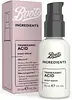
Water, Glycerin, Butylene Glycol, Tranexamic Acid, Glycereth-26, Pentylene Glycol, Hamamelis Virginiana Water, 1,2-Hexanediol, Hydroxyacetophenone, Panthenol, Allantoin, Ethylhexylglycerin, Carbomer, Arginine, Polyacrylate Crosspolymer-6, Disodium EDTA, Sodium Hyaluronate, PEG-40 Hydrogenated Castor Oil, Stephania Tetrandra Root Extract, Gentiana Scabra Root Extract, T-Butyl Alcohol, Tocopheryl Acetate
Water
Skin ConditioningAvena Sativa Kernel Extract
Abrasive
Tranexamic Acid
Astringent
Dimethyl Isosorbide
SolventMandelic Acid
Antimicrobial




Ethoxydiglycol
HumectantPentylene Glycol
Skin Conditioning
Methylpropanediol
SolventAcetyl Glucosamine
Skin Conditioning
Hydroxyphenoxy Propionic Acid
Skin ConditioningSodium Hyaluronate
Humectant
Salicylic Acid
Masking

Xanthan Gum
EmulsifyingLecithin
Emollient
Phenoxyethanol
Preservative
Sclerotium Gum
Emulsion StabilisingPullulan
Ethylhexylglycerin
Skin ConditioningCurcuma Longa Root Extract
Masking
Trisodium Ethylenediamine Disuccinate
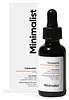
Water, Avena Sativa Kernel Extract, Tranexamic Acid, Dimethyl Isosorbide, Mandelic Acid, Ethoxydiglycol, Pentylene Glycol, Methylpropanediol, Acetyl Glucosamine, Hydroxyphenoxy Propionic Acid, Sodium Hyaluronate, Salicylic Acid, Xanthan Gum, Lecithin, Phenoxyethanol, Sclerotium Gum, Pullulan, Ethylhexylglycerin, Curcuma Longa Root Extract, Trisodium Ethylenediamine Disuccinate
Reviews
Ingredients Explained
These ingredients are found in both products.
Ingredients higher up in an ingredient list are typically present in a larger amount.
Ethylhexylglycerin is created from glycerin. It is a multitasker ingredient that:
The CIR Expert Panel found minimal skin absorption or sensitization of any kind in a safety assessment. Though this ingredient is considered well-tolerated, a small number of cases of allergic dermatitis have been published since 2002. Just be sure to patch test if you are unsure.
Industry-reported use ranges from 8% in rinse-off products and 2% in leave-on formulations.
Learn more about EthylhexylglycerinPentylene glycol is typically used within a product to thicken it. It also adds a smooth, soft, and moisturizing feel to the product. It is naturally found in plants such as sugar beets.
The hydrophilic trait of Pentylene Glycol makes it a humectant. As a humectant, Pentylene Glycol helps draw moisture from the air to your skin. This can help keep your skin hydrated.
This property also makes Pentylene Glycol a great texture enhancer. It can also help thicken or stabilize a product.
Pentylene Glycol also acts as a mild preservative and helps to keep a product microbe-free.
Some people may experience mild eye and skin irritation from Pentylene Glycol. We always recommend speaking with a professional about using this ingredient in your routine.
Pentylene Glycol has a low molecular weight and is part of the 1,2-glycol family.
Learn more about Pentylene GlycolSodium Hyaluronate is the salt form of hyaluronic acid. It is a long sugar chain that is naturally found in your skin, joints, and connective tissue that maintains hydration and elasticity.
In skincare, it works as a humectant. It pulls water from the environment and deeper layers of skin and binds it to the surface.
Interestingly, the size of the molecule affects its behavior:
Some clinical evidence links low molecular weight versions to improved wrinkle depth, elasticity, anti-inflammatory effects, and barrier repair.
Many serums use a blend of both weights so you can get surface hydration plus longer-lasting and deeper effects.
You'll typically see concentrations between 0.1-2% for this ingredient.
Learn more about Sodium HyaluronateTranexamic Acid (TXA) is a synthetic lysine derivative that is becoming one of the most exciting brightening ingredients in skincare.
Originally used in medicine as an anti-hemorrhagic agent, its skin brightening potential was discovered by accident; patients taking it orally started noticing their melasma was fading.
Unlike most brighteners that target tyrosinase (the enzyme that synthesizes melanin), TXA works further upstream. It basically blocks your cells from receiving the signal to produce pigment.
This makes it one of the rare actives that works on three pathways at once:
This makes it effective for treating melasma, post-inflammatory hyperpigmentation (PIH), and sun-induced dark spots.
The most effective cosmetic concentration sits between 2-5% and going higher doesn't boost results.
Side effects are generally mild; occasional irritation, flaking, or dryness have been reported at the start of use. Overall, this ingredient is pretty well tolerated, even by sensitive skin types.
Another perk of this ingredient is that it does not cause photosensitivity, so it's safe to use in the AM and PM.
Learn more about Tranexamic AcidWater. It's the most common cosmetic ingredient of all. You'll usually see it at the top of ingredient lists, meaning that it makes up the largest part of the product.
So why is it so popular? Water most often acts as a solvent - this means that it helps dissolve other ingredients into the formulation.
You'll also recognize water as that liquid we all need to stay alive. If you see this, drink a glass of water. Remember to stay hydrated!
Learn more about Water
