
What's inside
What's inside
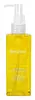 Key Ingredients
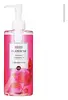
Benefits
Concerns
Ingredients Side-by-side




Caprylic/Capric Triglyceride
Masking


Olea Europaea Fruit Oil
Masking


Sorbeth-30 Tetraoleate
Emulsifying
Water
Skin ConditioningPEG-8 Diisostearate
Emulsifying
Hexyldecyl Myristoyl Methylaminopropionate
EmollientButylene Glycol
Humectant
Camellia Japonica Seed Oil
Emollient
Sophora Japonica Flower Extract
Skin ProtectingPaeonia Suffruticosa Root Extract
Skin ProtectingScutellaria Baicalensis Root Extract
Astringent
Tocopheryl Acetate
Antioxidant


Caprylyl Glycol
Emollient
Caprylhydroxamic Acid
Glycerin
Humectant
Parfum
Masking


Caprylic/Capric Triglyceride, Olea Europaea Fruit Oil, Sorbeth-30 Tetraoleate, Water, PEG-8 Diisostearate, Hexyldecyl Myristoyl Methylaminopropionate, Butylene Glycol, Camellia Japonica Seed Oil, Sophora Japonica Flower Extract, Paeonia Suffruticosa Root Extract, Scutellaria Baicalensis Root Extract, Tocopheryl Acetate, Caprylyl Glycol, Caprylhydroxamic Acid, Glycerin, Parfum
Ingredients Explained
These ingredients are found in both products.
Ingredients higher up in an ingredient list are typically present in a larger amount.
Camellia Japonica Seed Oil comes from the Japanese Camellia plant. This plant is native to East Asia and known as "Tsubaki" in Japanese.
Camellia Japonica Seed Oil is rich in oleic acid. This makes it a great emollient. Emollients help soften and soothe the skin by forming a barrier. This barrier traps moisture within, keeping your skin hydated.
This ingredient is also known as olive oil. It has been used in skincare for centuries and science largely backs up its reputation as a nourishing emollient.
The main components of olive oil are oleic acid (55-83%), linoleic acid (3.5-20%), and palmitic acid (7-20%). Oleic acid promotes skin regeneration and helps regulate inflammatory responses.
Squalene is also naturally present in olive oil and exhibits moisturizing and antioxidant properties.
The polyphenols in olive oil also show anti-aging promise; one clinical study found a measurable improvement in skin appearance after 30 days of topical serum use.
Just be aware that applying olive oil directly to skin can weaken the barrier and cause redness. One study with volunteers found even people without sensitive skin experienced a significant reduction in stratum corneum integrity and induced mild erythema.
It's best to use this ingredient as part of a carefully crafted formula (instead of putting it on skin directly from the bottle).
Because it has a 2-3 on the comedogenic scale, it is a moderate risk for acne-prone skin. However, the overall formulation of a product matters more than a few ingredients with comedogenic ratings.
This ingredient may not be fungal acne safe because of the oleic and palmitic acid content. These fall within the C11-24 fatty acid range that the Malassezia yeast can metabolize to grow.
Overall, olive oil is a well-studied and nourishing skincare ingredient.
Learn more about Olea Europaea Fruit OilParfum is a catch-all term for an ingredient or more that is used to give a scent to products.
Also called "fragrance", this ingredient can be a blend of hundreds of chemicals or plant oils. This means every product with "fragrance" or "parfum" in the ingredients list is a different mixture.
For instance, Habanolide is a proprietary trade name for a specific aroma chemical. When used as a fragrance ingredient in cosmetics, most aroma chemicals fall under the broad labeling category of “FRAGRANCE” or “PARFUM” according to EU and US regulations.
The term 'parfum' or 'fragrance' is not regulated in many countries. In many cases, it is up to the brand to define this term.
For instance, many brands choose to label themselves as "fragrance-free" because they are not using synthetic fragrances. However, their products may still contain ingredients such as essential oils that are considered a fragrance by INCI standards.
One example is Calendula flower extract. Calendula is an essential oil that still imparts a scent or 'fragrance'.
Depending on the blend, the ingredients in the mixture can cause allergies and sensitivities on the skin. Some ingredients that are known EU allergens include linalool and citronellol.
Parfum can also be used to mask or cover an unpleasant scent.
The bottom line is: not all fragrances/parfum/ingredients are created equally. If you are worried about fragrances, we recommend taking a closer look at an ingredient. And of course, we always recommend speaking with a professional.
Learn more about ParfumSorbeth-30 Tetraoleate is a surfactant and emulsifier.
This ingredient is a tetraester from oleic acid and polyethylene glycol ether of sorbitol.
As an emulsifier, it helps ingredients such as oil and water mix together. This allows the dirt and oils in your skin to be washed away.
One study found pumpkin oil containing Sorbeth-30 Tetraoleate helped hydrate the skin and did not cause any irritation.
Learn more about Sorbeth-30 Tetraoleate
