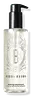
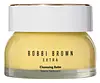
This oil-based cleanser is made to cleanse while calming and soothing your skin.
This oil-based cleanser uses mild cleansing ingredients, but contains alcohol that may feel drying for some.

What's inside
What's inside
 Key Ingredients
No key ingredients
Benefits
Concerns
Ingredients Side-by-side
Isopropyl Palmitate
Emollient




Pentaerythrityl Tetraethylhexanoate
Emollient
Polybutene
PEG-20 Glyceryl Triisostearate
Emollient
Isohexadecane
EmollientPEG-8 Diisostearate
Emulsifying
Aleurites Moluccanus Seed Oil
Skin Conditioning
PEG-12 Diisostearate
Emulsifying
Tocopherol
Antioxidant






Limnanthes Alba Seed Oil
Skin Conditioning
Olea Europaea Fruit Oil
Masking
Helianthus Annuus Seed Oil
Emollient
Methyldihydrojasmonate
MaskingSimmondsia Chinensis Seed Oil
Emollient
Jasminum Officinale Flower Wax
EmollientCalophyllum Inophyllum Seed Oil
Antimicrobial
Camellia Japonica Seed Oil
Emollient
Lavandula Hybrida Oil
Emollient
Lavandula Angustifolia Oil
Masking


Bisabolol
Antioxidant
Glycerin
Humectant
Glyceryl Laurate
Emollient
Water
Skin ConditioningPentylene Glycol
Skin Conditioning
Dipentaerythrityl Tri-Polyhydroxystearate
Emollient
Linalyl Acetate
Masking
Tocopheryl Acetate
Antioxidant
Isopropyl Palmitate, Pentaerythrityl Tetraethylhexanoate, Polybutene, PEG-20 Glyceryl Triisostearate, Isohexadecane, PEG-8 Diisostearate, Aleurites Moluccanus Seed Oil, PEG-12 Diisostearate, Tocopherol, Limnanthes Alba Seed Oil, Olea Europaea Fruit Oil, Helianthus Annuus Seed Oil, Methyldihydrojasmonate, Simmondsia Chinensis Seed Oil, Jasminum Officinale Flower Wax, Calophyllum Inophyllum Seed Oil, Camellia Japonica Seed Oil, Lavandula Hybrida Oil, Lavandula Angustifolia Oil, Bisabolol, Glycerin, Glyceryl Laurate, Water, Pentylene Glycol, Dipentaerythrityl Tri-Polyhydroxystearate, Linalyl Acetate, Tocopheryl Acetate
Glycerin
Humectant
Olea Europaea Fruit Oil
Masking
Limonene
Perfuming
Polyglyceryl-10 Behenate/Eicosadioate
EmulsifyingGlyceryl Behenate/Eicosadioate
Emollient
Polyglyceryl-3 Beeswax
Emulsifying
PEG-10 Sunflower Glycerides
EmollientGlyceryl Stearate Se
Emulsifying
Citrus Aurantium Dulcis Fruit Water
MaskingPolydecene
Skin ConditioningBeta-Carotene
Skin ConditioningPotassium Stearate
CleansingBenzyl Alcohol
Perfuming


Linalool
Perfuming
Anise Alcohol
Perfuming
Citronellol
Perfuming
Aminomethyl Propanediol
BufferingGlycerin, Olea Europaea Fruit Oil, Limonene, Polyglyceryl-10 Behenate/Eicosadioate, Glyceryl Behenate/Eicosadioate, Polyglyceryl-3 Beeswax, PEG-10 Sunflower Glycerides, Glyceryl Stearate Se, Citrus Aurantium Dulcis Fruit Water, Polydecene, Beta-Carotene, Potassium Stearate, Benzyl Alcohol, Linalool, Anise Alcohol, Citronellol, Aminomethyl Propanediol
Alternatives
Ingredients Explained
These ingredients are found in both products.
Ingredients higher up in an ingredient list are typically present in a larger amount.
Glycerin (or glycerol) is a compound naturally found in your skin. It's a powerhouse humectant that pulls water into the stratum corneum.
Topically, glycerin does several things at once:
Your skin makes glycerin on its own (mostly from sebaceous oil breakdown) and shuttles it to your outermost layer of skin, or your epidermis, via aquaporin-3.
Aquaporin-3 is a transporter that is essential for normal skin hydration, elasticity, and repair. Interestingly, mice lacking in AQP3 have dry and less elastic skin that can be fully corrected with glycerin.
This ingredient is non-irritating, plays well with almost every ingredient, and works across all skin types. Typical use is anywhere between 3-10% but can go up to 79% in some leave-on products.
Just know very high concentrations (>40%) can feel tacky in low humidity.
Glycerin is the name for this ingredient in American English. British English uses Glycerol/Glycerine.
Learn more about GlycerinThis ingredient is also known as olive oil. It has been used in skincare for centuries and science largely backs up its reputation as a nourishing emollient.
The main components of olive oil are oleic acid (55-83%), linoleic acid (3.5-20%), and palmitic acid (7-20%). Oleic acid promotes skin regeneration and helps regulate inflammatory responses.
Squalene is also naturally present in olive oil and exhibits moisturizing and antioxidant properties.
The polyphenols in olive oil also show anti-aging promise; one clinical study found a measurable improvement in skin appearance after 30 days of topical serum use.
Just be aware that applying olive oil directly to skin can weaken the barrier and cause redness. One study with volunteers found even people without sensitive skin experienced a significant reduction in stratum corneum integrity and induced mild erythema.
It's best to use this ingredient as part of a carefully crafted formula (instead of putting it on skin directly from the bottle).
Because it has a 0-2 on the comedogenic scale, it is low risk for acne-prone skin. Just remember the overall formulation of a product matters more than a few ingredients with comedogenic ratings.
This ingredient may not be fungal acne safe because of the oleic and palmitic acid content. These fall within the C11-24 fatty acid range that the Malassezia yeast can metabolize to grow.
Overall, olive oil is a well-studied and nourishing skincare ingredient.
Learn more about Olea Europaea Fruit Oil

