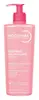
This mild gel cleanser is made to cleanse without leaving your skin tight or dry.


What's inside
What's inside
 Key Ingredients
Benefits
Concerns
Ingredients Side-by-side
Water
Skin ConditioningSodium Cocoamphoacetate
CleansingPropanediol
Solvent

Sodium Lauroyl Sarcosinate
CleansingCitric Acid
Buffering


Coco-Glucoside
Cleansing
Glyceryl Oleate
Emollient


Sodium Citrate
BufferingPEG-90 Glyceryl Isostearate
Cleansing
Mannitol
Humectant
Xylitol
Humectant
Laureth-2
CleansingRhamnose
HumectantFructooligosaccharides
Humectant
Tocopherol
Antioxidant




Hydrogenated Palm Glycerides Citrate
Emollient
Water
Skin ConditioningSodium C14-16 Olefin Sulfonate
Cleansing

Sodium Laureth Sulfate
Cleansing

Disodium Laureth Sulfosuccinate
CleansingSodium Chloride
MaskingLaureth-2
CleansingGlycol Distearate
Emollient
Panthenol
Skin Conditioning

Parfum
Masking
Glycerin
Humectant
Sodium Lauroyl Glutamate
SurfactantPEG-120 Methyl Glucose Dioleate
Emulsifying
Sodium Benzoate
Masking
Phenoxyethanol
Preservative
Allantoin
Skin Conditioning
Citric Acid
Buffering
Cocamidopropyl Betaine
Cleansing
Sorbitan Laurate
Emulsifying
Saccharide Isomerate
Humectant
Propylene Glycol
Humectant
Niacinamide
Smoothing




Pyridoxine Hcl
Skin ConditioningGlycine
Buffering
Magnesium Aspartate
Skin ConditioningAlanine
Masking
Lysine Hcl
Skin Conditioning
Leucine
Skin ConditioningCI 47005
Cosmetic ColorantCI 42090
Cosmetic ColorantBiotin
AntiseborrhoeicWater, Sodium C14-16 Olefin Sulfonate, Sodium Laureth Sulfate, Disodium Laureth Sulfosuccinate, Sodium Chloride, Laureth-2, Glycol Distearate, Panthenol, Parfum, Glycerin, Sodium Lauroyl Glutamate, PEG-120 Methyl Glucose Dioleate, Sodium Benzoate, Phenoxyethanol, Allantoin, Citric Acid, Cocamidopropyl Betaine, Sorbitan Laurate, Saccharide Isomerate, Propylene Glycol, Niacinamide, Pyridoxine Hcl, Glycine, Magnesium Aspartate, Alanine, Lysine Hcl, Leucine, CI 47005, CI 42090, Biotin
Reviews
Ingredients Explained
These ingredients are found in both products.
Ingredients higher up in an ingredient list are typically present in a larger amount.
Citric Acid is an alpha hydroxy acid (AHA) naturally found in citrus fruits like oranges, lemons, and limes.
Like other AHAs, citric acid can exfoliate skin by breaking down the bonds that hold dead skin cells together. This helps reveal smoother and brighter skin underneath.
However, this exfoliating effect only happens at high concentrations (20%) which can be hard to find in cosmetic products.
Due to this, citric acid is usually included in small amounts as a pH adjuster. This helps keep products slightly more acidic and compatible with skin's natural pH.
In skincare formulas, citric acid can:
While it can provide some skin benefits, research shows lactic acid and glycolic acid are generally more effective and less irritating exfoliants.
Most citric acid used in skincare today is made by fermenting sugars (usually from molasses). This synthetic version is identical to the natural citrus form but easier to stabilize and use in formulations.
Rosacea skin has a lower threshold for acids generally, with 62.5% of rosacea subjects in one study reacting to lactic acid in a sting test. This is why we mark citric acid as a potential rosacea trigger.
However, this ingredient shows up as a pH adjuster or chelator at roughly 0.1-1% in many products. These low levels are unlikely to be an issue for rosacea skin and becomes a potential trigger at exfoliating concentrations (20%). Because everybody's skin is unique, we recommend a patch test if you are unsure.
Learn more about Citric AcidLaureth-2 is a synthetic surfactant that has cleansing and emulsifying properties. It is commonly used to blend oil and water, help improve cleansing, and add foam.
Like other surfactants, laureth-2 works by reducing surface tension to help dirt, sebum, and other impurities be washed away easily.
This ingredient has low risk of irritation when properly formulated. However, some individuals with sensitive skin may still experience mild irritation.
Learn more about Laureth-2Water. It's the most common cosmetic ingredient of all. You'll usually see it at the top of ingredient lists, meaning that it makes up the largest part of the product.
So why is it so popular? Water most often acts as a solvent - this means that it helps dissolve other ingredients into the formulation.
You'll also recognize water as that liquid we all need to stay alive. If you see this, drink a glass of water. Remember to stay hydrated!
Learn more about Water

