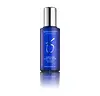
This acne serum is formulated around Acetyl Glucosamine and Salicylic Acid to clear breakouts and refine skin texture.
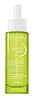
This acne serum is formulated around Salicylic Acid to clear breakouts and refine the look of pores.


What's inside
What's inside
 Key Ingredients
Benefits
Concerns
Ingredients Side-by-side
Water
Skin ConditioningButylene Glycol
Humectant

Glycerin
Humectant
Propanediol
Solvent
Acetyl Glucosamine
Skin Conditioning


Pentylene Glycol
Skin Conditioning
Salicylic Acid
Masking









Xanthan Gum
EmulsifyingPolysorbate 20
Emulsifying
Sodium Citrate
BufferingHydrolyzed Hyaluronic Acid
Humectant
Mannitol
Humectant
Sodium Hydroxide
BufferingPropyl Gallate
Antioxidant


Sodium Metabisulfite
Antioxidant
Parfum
Masking
Aminoethanesulfinic Acid
Antioxidant
Water
Skin ConditioningPropanediol
Solvent
Glycerin
Humectant
Salicylic Acid
Masking
Sodium Polyacrylate
Absorbent
Butylene Glycol
Humectant
Eugenia Uniflora Leaf Extract
AstringentLaminaria Digitata Extract
Skin Protecting
Rosa Canina Fruit Extract
Astringent
Syringa Vulgaris Extract
Skin ConditioningOpuntia Ficus-Indica Stem Extract
Skin Conditioning
Leontopodium Alpinum Meristem Cell Culture
Skin ConditioningMarrubium Vulgare Meristem Cell Culture
Skin ProtectingLecithin
Emollient
Galactoarabinan

Schizophyllan
HumectantMaltodextrin
Absorbent
Caprylyl Glycol
Emollient
Phytic Acid

Trisodium Ethylenediamine Disuccinate
Inulin Lauryl Carbamate
Emulsion StabilisingAcacia Senegal Gum
MaskingXanthan Gum
EmulsifyingMannitol
Humectant
Sodium Citrate
BufferingHydroxyacetophenone
Antioxidant
Trehalose
Humectant
Sodium Bisulfite
Antioxidant
Ergothioneine
Antioxidant
Phenoxyethanol
Preservative
Chlorphenesin
Antimicrobial
Benzyl Alcohol
Perfuming

Potassium Sorbate
Preservative
Sodium Benzoate
Masking
Water, Propanediol, Glycerin, Salicylic Acid, Sodium Polyacrylate, Butylene Glycol, Eugenia Uniflora Leaf Extract, Laminaria Digitata Extract, Rosa Canina Fruit Extract, Syringa Vulgaris Extract, Opuntia Ficus-Indica Stem Extract, Leontopodium Alpinum Meristem Cell Culture, Marrubium Vulgare Meristem Cell Culture, Lecithin, Galactoarabinan, Schizophyllan, Maltodextrin, Caprylyl Glycol, Phytic Acid, Trisodium Ethylenediamine Disuccinate, Inulin Lauryl Carbamate, Acacia Senegal Gum, Xanthan Gum, Mannitol, Sodium Citrate, Hydroxyacetophenone, Trehalose, Sodium Bisulfite, Ergothioneine, Phenoxyethanol, Chlorphenesin, Benzyl Alcohol, Potassium Sorbate, Sodium Benzoate
Reviews
Ingredients Explained
These ingredients are found in both products.
Ingredients higher up in an ingredient list are typically present in a larger amount.
Butylene Glycol (or BG) is used within cosmetic products for a few different reasons:
Overall, Butylene Glycol is a safe and well-rounded ingredient that works well with other ingredients.
Though this ingredient works well with most skin types, some people with sensitive skin may experience a reaction such as allergic rashes, closed comedones, or itchiness.
Learn more about Butylene GlycolGlycerin (or glycerol) is a compound naturally found in your skin. It's a powerhouse humectant that pulls water into the stratum corneum.
Topically, glycerin does several things at once:
Your skin makes glycerin on its own (mostly from sebaceous oil breakdown) and shuttles it to your outermost layer of skin, or your epidermis, via aquaporin-3.
Aquaporin-3 is a transporter that is essential for normal skin hydration, elasticity, and repair. Interestingly, mice lacking in AQP3 have dry and less elastic skin that can be fully corrected with glycerin.
This ingredient is non-irritating, plays well with almost every ingredient, and works across all skin types. Typical use is anywhere between 3-10% but can go up to 79% in some leave-on products.
Just know very high concentrations (>40%) can feel tacky in low humidity.
Glycerin is the name for this ingredient in American English. British English uses Glycerol/Glycerine.
Learn more about GlycerinMannitol is a sugar alcohol. It is a humectant and moisturizes the skin. In vitro (not tested on a living organism), mannitol displays antioxidant properties.
When found in aqueous solutions, mannitol tends to become acidic. This is because it loses a hydrogen ion. This is why mannitol can often be found with pH adjusting ingredients, such as sodium bicarbonate.
Fun fact: Mannitol can be found in foods as a sweetener. It can be naturally found in mushrooms, algae, fruits, and veggies.
Learn more about MannitolPropanediol is an all-star ingredient. It softens, hydrates, and smooths the skin.
It’s often used to:
Propanediol is not likely to cause sensitivity and considered safe to use. It is derived from corn or petroleum with a clear color and no scent.
Learn more about PropanediolSalicylic Acid (also known as beta hydroxy acid or BHA) is a well-known ingredient for treating skin that struggles with acne and clogged pores. It exfoliates both the skin's surface and deep within the pores to help clear out buildup, control oil, and reduce inflammation.
Unlike AHAs (alpha hydroxy acids), salicylic acid is oil-soluble. This allows it to penetrate into pores which makes it especially effective for treating blackheads and preventing future breakouts.
Salicylic acid is also known for its soothing properties. It has a similar structure to aspirin and can calm inflamed or irritated skin, making it a good option for acne-prone skin that is also sensitive.
Concentrations of 0.5-2% are recognized by the U.S. FDA as an over-the-counter topical acne product.
It can cause irritation and/or dryness if one's skin already has a compromised moisture barrier, so it's best to focus on repairing that before introducing this ingredient into your routine.
While salicylic acid does not increase sun sensitivity, it’s still important to wear sunscreen daily to protect your skin.
If you are looking for the ingredient called BHA or Butylated Hydroxyanisole, click here.
Learn more about Salicylic AcidSodium Citrate is the sodium salts of citric acid. In skincare, it is used to alter pH levels and acts as a preservative.
Its main functions are to maintain the pH of a product and neutralize metal ions.
The acidity of our skin is maintained by our glands and skin biome; normal pH level of skin is slightly acidic (~4.75-5.5).
Being slightly acidic allows our skin to create an "acid mantle". This acid mantle is a thin barrier that protects our skin from bacteria and contaminants.
Learn more about Sodium CitrateWater. It's the most common cosmetic ingredient of all. You'll usually see it at the top of ingredient lists, meaning that it makes up the largest part of the product.
So why is it so popular? Water most often acts as a solvent - this means that it helps dissolve other ingredients into the formulation.
You'll also recognize water as that liquid we all need to stay alive. If you see this, drink a glass of water. Remember to stay hydrated!
Learn more about WaterXanthan gum is used as a stabilizer and thickener within cosmetic products. It helps give products a sticky, thick feeling - preventing them from being too runny.
On the technical side of things, xanthan gum is a polysaccharide - a combination consisting of multiple sugar molecules bonded together.
Xanthan gum is a pretty common and great ingredient. It is a natural, non-toxic, non-irritating ingredient that is also commonly used in food products.
Learn more about Xanthan Gum

