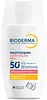
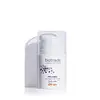
Bioderma Photoderm Ultra-Fluid AR+ SPF50+ PA++++ Versus Biotrade Melabel Sun Protection Cream SPF 50+
This chemical sunscreen covers the full UV range and blocks ~98% of UVB at SPF 50.
This hybrid sunscreen covers the full UV range and blocks ~98% of UVB at SPF 50.


What's inside
What's inside
 Key Ingredients
Benefits
Concerns
Ingredients Side-by-side
Water
Skin ConditioningC12-15 Alkyl Benzoate
AntimicrobialSilica
Abrasive


Glycerin
Humectant


Bis-Ethylhexyloxyphenol Methoxyphenyl Triazine
UV Absorber
Butyl Methoxydibenzoylmethane
UV Absorber
Ethylhexyl Methoxycrylene
Skin Conditioning
Diethylamino Hydroxybenzoyl Hexyl Benzoate
UV Filter
Diisopropyl Sebacate
EmollientLauroyl Lysine
Skin Conditioning
Propanediol
Solvent
Dicaprylyl Carbonate
Emollient1,2-Hexanediol
Skin Conditioning
Polysorbate 60
Emulsifying

Cetyl Phosphate
EmulsifyingMaltooligosyl Glucoside
Skin ConditioningGlycyrrhetinic Acid
Skin Conditioning
Arginine
Masking
Hydrogenated Starch Hydrolysate
Humectant1-Methylhydantoin-2-Imide
Skin ConditioningHydroxyacetophenone
Antioxidant
Citric Acid
Buffering

Ectoin
Skin Conditioning


Mannitol
Humectant
Sodium Phytate
ChelatingXanthan Gum
EmulsifyingXylitol
Humectant
Rhamnose
HumectantO-Cymen-5-Ol
Antimicrobial
Sodium Hyaluronate
Humectant
Tocopherol
Antioxidant

Water, C12-15 Alkyl Benzoate, Silica, Glycerin, Bis-Ethylhexyloxyphenol Methoxyphenyl Triazine, Butyl Methoxydibenzoylmethane, Ethylhexyl Methoxycrylene, Diethylamino Hydroxybenzoyl Hexyl Benzoate, Diisopropyl Sebacate, Lauroyl Lysine, Propanediol, Dicaprylyl Carbonate, 1,2-Hexanediol, Polysorbate 60, Cetyl Phosphate, Maltooligosyl Glucoside, Glycyrrhetinic Acid, Arginine, Hydrogenated Starch Hydrolysate, 1-Methylhydantoin-2-Imide, Hydroxyacetophenone, Citric Acid, Ectoin, Mannitol, Sodium Phytate, Xanthan Gum, Xylitol, Rhamnose, O-Cymen-5-Ol, Sodium Hyaluronate, Tocopherol
Water
Skin ConditioningEthylhexyl Methoxycinnamate
UV Absorber

Paraffinum Liquidum
Emollient

Cetearyl Alcohol
Emollient



PEG-30 Lanolin
Emulsifying
PEG-75 Lanolin
Emollient
Ethylhexyl Salicylate
UV Absorber
Butyl Methoxydibenzoylmethane
UV Absorber
Ceteareth-30
CleansingCetyl Alcohol
Emollient
Glyceryl Stearate
Emollient
PEG-75 Stearate
Surfactant
Ceteth-20
CleansingSteareth-20
CleansingDimethicone
Emollient
Titanium Dioxide
Cosmetic Colorant
Zinc Oxide
Cosmetic Colorant
Tocopheryl Acetate
Antioxidant
Glycerin
Humectant
Polyquaternium-37
BHT
Antioxidant
Water, Ethylhexyl Methoxycinnamate, Paraffinum Liquidum, Cetearyl Alcohol, PEG-30 Lanolin, PEG-75 Lanolin, Ethylhexyl Salicylate, Butyl Methoxydibenzoylmethane, Ceteareth-30, Cetyl Alcohol, Glyceryl Stearate, PEG-75 Stearate, Ceteth-20, Steareth-20, Dimethicone, Titanium Dioxide, Zinc Oxide, Tocopheryl Acetate, Glycerin, Polyquaternium-37, BHT
Reviews
Ingredients Explained
These ingredients are found in both products.
Ingredients higher up in an ingredient list are typically present in a larger amount.
Also known as Avobenzone, this ingredient is an oil-soluble used to absorb the full spectrum of UVA rays (peak 357 nm).
It's one of the most effective UVA filters available but has a major caveat of photostability: avobenzone is susceptible to photodegradation.
This means it can lose efficacy when exposed to sunlight without the help of a stabilizing agent.
Studies show antioxidants (like vitamin E or vitamin C) and some UV filters (like octocrylene and Tinosorb S) can meaningfully improve its stability in a formulation.
The maximum allowable concentration according to regulation is 3% in the US + Canada, and 5% in the EU, Australia, China, Korea, and ASEAN countries.
It has a well-support safety profile: a comprehensive 2025 review found minimal toxicity with no evidence of carcinogenicity.
Overall, avobenzone is a safe and regulated ingredient used in sunscreen for over 40 years.
Learn more about Butyl MethoxydibenzoylmethaneGlycerin (or glycerol) is a compound naturally found in your skin. It's a powerhouse humectant that pulls water into the stratum corneum.
Topically, glycerin does several things at once:
Your skin makes glycerin on its own (mostly from sebaceous oil breakdown) and shuttles it to your outermost layer of skin, or your epidermis, via aquaporin-3.
Aquaporin-3 is a transporter that is essential for normal skin hydration, elasticity, and repair. Interestingly, mice lacking in AQP3 have dry and less elastic skin that can be fully corrected with glycerin.
This ingredient is non-irritating, plays well with almost every ingredient, and works across all skin types. Typical use is anywhere between 3-10% but can go up to 79% in some leave-on products.
Just know very high concentrations (>40%) can feel tacky in low humidity.
Glycerin is the name for this ingredient in American English. British English uses Glycerol/Glycerine.
Learn more about GlycerinWater. It's the most common cosmetic ingredient of all. You'll usually see it at the top of ingredient lists, meaning that it makes up the largest part of the product.
So why is it so popular? Water most often acts as a solvent - this means that it helps dissolve other ingredients into the formulation.
You'll also recognize water as that liquid we all need to stay alive. If you see this, drink a glass of water. Remember to stay hydrated!
Learn more about Water

