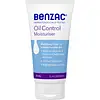
This oil-control moisturizer is formulated around Aluminum Starch Octenylsuccinate and Silica to balance excess oil and refine the look of pores.
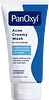
This benzoyl peroxide cream cleanser is formulated around Benzoyl Peroxide to clear breakouts and help reduce acne-causing bacteria.


What's inside
What's inside
 Key Ingredients
Benefits
Concerns
Ingredients Side-by-side
Water
Skin ConditioningAluminum Starch Octenylsuccinate
Absorbent
Cyclopentasiloxane
Emollient
Butylene Glycol
Humectant

Silica
Abrasive

Dimethicone
Emollient
Isopropyl Palmitate
Emollient




Acrylates/C10-30 Alkyl Acrylate Crosspolymer
Emulsion StabilisingBisabolol
Antioxidant


Dimethiconol
Emollient
Enantia Chlorantha Bark Extract
Skin ConditioningHexyl Cinnamal
Perfuming



Limonene
Perfuming
Menthyl Ethylamido Oxalate
Skin ConditioningOleanolic Acid
Skin ConditioningParfum
Masking
Phenoxyethanol
Preservative
Sodium Polyacrylate
Absorbent
Water, Aluminum Starch Octenylsuccinate, Cyclopentasiloxane, Butylene Glycol, Silica, Dimethicone, Isopropyl Palmitate, Acrylates/C10-30 Alkyl Acrylate Crosspolymer, Bisabolol, Dimethiconol, Enantia Chlorantha Bark Extract, Hexyl Cinnamal, Limonene, Menthyl Ethylamido Oxalate, Oleanolic Acid, Parfum, Phenoxyethanol, Sodium Polyacrylate
Benzoyl Peroxide 4%



Carbomer
Emulsion StabilisingDecyl Glucoside
Cleansing
Dimethicone
Emollient
Diethylhexyl Sodium Sulfosuccinate
CleansingGlycerin
Humectant
Palmitic Acid
Emollient
Polyacrylate Crosspolymer-6
Emulsion StabilisingPEG-40 Stearate
Emulsifying
Propanediol
Solvent
Water
Skin ConditioningSilica
Abrasive
Sodium Chloride
MaskingSodium Citrate
BufferingSodium Hydroxide
BufferingSodium Laurylglucosides Hydroxypropylsulfonate
CleansingSorbitan Stearate
Emulsifying
Sorbitol
Humectant
Stearic Acid
Cleansing
T-Butyl Alcohol
Perfuming
Xanthan Gum
EmulsifyingBenzoyl Peroxide 4%, Carbomer, Decyl Glucoside, Dimethicone, Diethylhexyl Sodium Sulfosuccinate, Glycerin, Palmitic Acid, Polyacrylate Crosspolymer-6, PEG-40 Stearate, Propanediol, Water, Silica, Sodium Chloride, Sodium Citrate, Sodium Hydroxide, Sodium Laurylglucosides Hydroxypropylsulfonate, Sorbitan Stearate, Sorbitol, Stearic Acid, T-Butyl Alcohol, Xanthan Gum
Reviews
Ingredients Explained
These ingredients are found in both products.
Ingredients higher up in an ingredient list are typically present in a larger amount.
Dimethicone is a type of synthetic silicone created from natural materials such as quartz. It is also known as polydimethylsiloxane.
What it does:
Dimethicone comes in different viscosities:
Depending on the viscosity, dimethicone has different properties.
Ingredients lists don't always show which type is used, so we recommend reaching out to the brand if you have questions about the viscosity.
This ingredient is unlikely to cause irritation because it does not get absorbed into skin. However, people with silicone allergies should be careful about using this ingredient.
Note: Dimethicone may contribute to pilling. This is because it is not oil or water soluble, so pilling may occur when layered with products. When mixed with heavy oils in a formula, the outcome is also quite greasy.
Learn more about DimethiconeSilica, also known as silicon dioxide, is a naturally occurring mineral. It is used as a fine, spherical, and porous powder in cosmetics.
Though it has exfoliant properties, the function of silica varies depending on the product.
The unique structure of silica enhances the spreadability and adds smoothness, making it a great texture enhancer.
It is also used as an active carrier, emulsifier, and mattifier due to its ability to absorb excess oil.
In some products, tiny microneedles called spicules are made from silica or hydrolyzed sponge. When you rub them in, they lightly polish away dead skin layers and enhance the penetration of active ingredients.
Learn more about SilicaWater. It's the most common cosmetic ingredient of all. You'll usually see it at the top of ingredient lists, meaning that it makes up the largest part of the product.
So why is it so popular? Water most often acts as a solvent - this means that it helps dissolve other ingredients into the formulation.
You'll also recognize water as that liquid we all need to stay alive. If you see this, drink a glass of water. Remember to stay hydrated!
Learn more about Water

