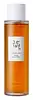
This calming essence is formulated around Panax Ginseng Root Water and Niacinamide to calm redness and hydrate skin.
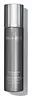
This hydrating essence is formulated around Saccharide Isomerate and Saccharomyces/Rice Ferment Filtrate to hydrate skin and strengthen the skin barrier.


What's inside
What's inside
 Key Ingredients
No key ingredients
Benefits
Concerns
No concerns
Ingredients Side-by-side
Panax Ginseng Root Water
Masking

Butylene Glycol
Humectant

Glycerin
Humectant
Propanediol
Solvent
Niacinamide
Smoothing







1,2-Hexanediol
Skin Conditioning
Water
Skin ConditioningHydroxyacetophenone
Antioxidant
Glyceryl Glucoside
Humectant
Xanthan Gum
EmulsifyingPanthenol
Skin Conditioning
Dipotassium Glycyrrhizate
Humectant
Allantoin
Skin Conditioning
Adenosine
Skin Conditioning
Panax Ginseng Callus Culture Extract
Skin ConditioningTheobroma Cacao Extract
Skin ConditioningDextrin
AbsorbentGlucose
Humectant
Panax Ginseng Root Extract
Emollient
Panax Ginseng Berry Extract
Skin Conditioning
Lactobacillus/Panax Ginseng Root Extract Ferment Filtrate
Skin ConditioningSodium Hyaluronate
Humectant
Ethylhexylglycerin
Skin ConditioningDisodium EDTA
ChelatingPanax Ginseng Root Water, Butylene Glycol, Glycerin, Propanediol, Niacinamide, 1,2-Hexanediol, Water, Hydroxyacetophenone, Glyceryl Glucoside, Xanthan Gum, Panthenol, Dipotassium Glycyrrhizate, Allantoin, Adenosine, Panax Ginseng Callus Culture Extract, Theobroma Cacao Extract, Dextrin, Glucose, Panax Ginseng Root Extract, Panax Ginseng Berry Extract, Lactobacillus/Panax Ginseng Root Extract Ferment Filtrate, Sodium Hyaluronate, Ethylhexylglycerin, Disodium EDTA
Water
Skin ConditioningGlycerin
Humectant
Saccharide Isomerate
Humectant
Inulin
Skin Conditioning
Saccharomyces/Rice Ferment Filtrate
Skin Conditioning

Fomes Officinalis Extract
Skin ProtectingAlpha-Glucan Oligosaccharide
Cleansing
Prunus Persica Juice
MoisturisingHordeum Vulgare Seed Extract
Skin ConditioningTriticum Vulgare Seed Extract
BufferingPyrus Malus Juice
Skin ConditioningPanax Ginseng Root Extract
Emollient
Xanthan Gum
EmulsifyingPEG-40 Hydrogenated Castor Oil
Emulsifying
Citric Acid
Buffering
PEG-6 Caprylic/Capric Glycerides
EmulsifyingSodium Hydroxide
BufferingDisodium EDTA
ChelatingMenthyl Lactate
Masking
Sclerotium Gum
Emulsion StabilisingEthylhexylglycerin
Skin ConditioningButylene Glycol
Humectant
Propanediol
Solvent
Sodium Citrate
BufferingPentylene Glycol
Skin Conditioning
Glyceryl Undecylenate
Emollient
Glyceryl Caprylate
EmollientPhenoxyethanol
Preservative
Parfum
Masking



Water, Glycerin, Saccharide Isomerate, Inulin, Saccharomyces/Rice Ferment Filtrate, Fomes Officinalis Extract, Alpha-Glucan Oligosaccharide, Prunus Persica Juice, Hordeum Vulgare Seed Extract, Triticum Vulgare Seed Extract, Pyrus Malus Juice, Panax Ginseng Root Extract, Xanthan Gum, PEG-40 Hydrogenated Castor Oil, Citric Acid, PEG-6 Caprylic/Capric Glycerides, Sodium Hydroxide, Disodium EDTA, Menthyl Lactate, Sclerotium Gum, Ethylhexylglycerin, Butylene Glycol, Propanediol, Sodium Citrate, Pentylene Glycol, Glyceryl Undecylenate, Glyceryl Caprylate, Phenoxyethanol, Parfum
Reviews
Ingredients Explained
These ingredients are found in both products.
Ingredients higher up in an ingredient list are typically present in a larger amount.
Butylene Glycol (or BG) is used within cosmetic products for a few different reasons:
Overall, Butylene Glycol is a safe and well-rounded ingredient that works well with other ingredients.
Though this ingredient works well with most skin types, some people with sensitive skin may experience a reaction such as allergic rashes, closed comedones, or itchiness.
Learn more about Butylene GlycolDisodium EDTA is a chelating agent. It grabs onto and deactivates metal ions that sneak into your products from water, packaging, or air.
This ingredient mainly works behind the scenes and helps with:
On top of that, this ingredient can counteract the effects of hard water by binding to the minerals in it.
One thing worth knowing is that Disodium EDTA has been shown to be a mild penetration enhancer. It can help other ingredients absorb into skin more effectively which can be a double-edged sword (great for actives, but can also make the active too strong if you have sensitive skin).
Clinical patch testing showed no significant skin irritation at typical use concentrations and minimal dermal absorption.
You'll most likely see this ingredient near the end of an ingredient list. It's typically found in concentrations less than 1%.
Learn more about Disodium EDTAEthylhexylglycerin is created from glycerin. It is a multitasker ingredient that:
The CIR Expert Panel found minimal skin absorption or sensitization of any kind in a safety assessment. Though this ingredient is considered well-tolerated, a small number of cases of allergic dermatitis have been published since 2002. Just be sure to patch test if you are unsure.
Industry-reported use ranges from 8% in rinse-off products and 2% in leave-on formulations.
Learn more about EthylhexylglycerinGlycerin (or glycerol) is a compound naturally found in your skin. It's a powerhouse humectant that pulls water into the stratum corneum.
Topically, glycerin does several things at once:
Your skin makes glycerin on its own (mostly from sebaceous oil breakdown) and shuttles it to your outermost layer of skin, or your epidermis, via aquaporin-3.
Aquaporin-3 is a transporter that is essential for normal skin hydration, elasticity, and repair. Interestingly, mice lacking in AQP3 have dry and less elastic skin that can be fully corrected with glycerin.
This ingredient is non-irritating, plays well with almost every ingredient, and works across all skin types. Typical use is anywhere between 3-10% but can go up to 79% in some leave-on products.
Just know very high concentrations (>40%) can feel tacky in low humidity.
Glycerin is the name for this ingredient in American English. British English uses Glycerol/Glycerine.
Learn more about GlycerinGinseng root is a well-loved ingredient in Asian skincare for good reason. It hydrates the skin, soothes irritation, and helps even out skin tone.
In traditional East Asian medicine, ginseng has been used for centuries both as food and as a healing remedy, and modern research continues to confirm its skin benefits.
One of the standout features of ginseng is its ability to improve blood circulation and oxygen delivery to the skin, bringing a fresh supply of nutrients to support overall skin health. It also has antioxidant and anti-inflammatory properties. This helps to protect your skin against damage from UV exposure, pollution, and daily stress.
Additionally, studies suggest that ginseng may help reduce hyperpigmentation by inhibiting tyrosinase, the enzyme involved in melanin production.
There are different types of ginseng used in skincare, and while they all share core benefits, their potency can vary.
Most products use fresh or white ginseng because it’s more affordable. However, red ginseng, produced by steaming the root, contains higher levels of ginsenosides, which are compounds with proven anti-aging effects. These ginsenosides help reduce the appearance of wrinkles and improve skin elasticity.
Note: All forms of ginseng are listed simply as “Panax ginseng” in ingredient lists. We recommend reaching out to the brand if you have questions about which type of ginseng is used in their ingredients.
For general antioxidant benefits, any ginseng extract will do, but for wrinkle care or firmer skin, red or fermented ginseng is often more effective.
In short, ginseng is a powerhouse ingredient that supports hydration, radiance, and resilience.
Learn more about Panax Ginseng Root ExtractPropanediol is an all-star ingredient. It softens, hydrates, and smooths the skin.
It’s often used to:
Propanediol is not likely to cause sensitivity and considered safe to use. It is derived from corn or petroleum with a clear color and no scent.
Learn more about PropanediolWater. It's the most common cosmetic ingredient of all. You'll usually see it at the top of ingredient lists, meaning that it makes up the largest part of the product.
So why is it so popular? Water most often acts as a solvent - this means that it helps dissolve other ingredients into the formulation.
You'll also recognize water as that liquid we all need to stay alive. If you see this, drink a glass of water. Remember to stay hydrated!
Learn more about WaterXanthan gum is used as a stabilizer and thickener within cosmetic products. It helps give products a sticky, thick feeling - preventing them from being too runny.
On the technical side of things, xanthan gum is a polysaccharide - a combination consisting of multiple sugar molecules bonded together.
Xanthan gum is a pretty common and great ingredient. It is a natural, non-toxic, non-irritating ingredient that is also commonly used in food products.
Learn more about Xanthan Gum

